






Austria in February blends snowy Alpine adventures with cozy cultural experiences. Snow-covered mountains, world-class ski resorts, elegant winter cities, and seasonal events make it one of the most atmospheric times to visit. Read on to discover everything you need to know for your winter escape.
Winter in Austria is a great choice for those who enjoy winter scenery, outdoor activities, and cultural highlights without the summer crowds. From skiing in the Alps to strolling through historic city centers, the country offers a distinctly romantic and festive winter atmosphere.
Austria in February also appeals to travelers planning a seamless trip, with a wide range of options for every budget and travel style. Choose from the best vacation packages in Austria to combine flights, accommodations, and experiences into one convenient booking.
With careful planning, it’s also possible to find cheap flights to Austria during February, especially outside peak holiday weeks. And with the top accommodations in Austria, from cozy alpine lodges to elegant city hotels, you can ensure a comfortable and memorable winter stay.
Is February a Good Time to Visit Austria?

Austria in February offers a distinctly wintery travel experience, shaped by snowy landscapes, cultural traditions, and a slower, more atmospheric pace. While it’s one of the coldest times of year, February is ideal for those who enjoy winter sports, elegant city breaks, and seasonal events without the peak crowds of summer.
February is especially well-suited for travelers interested in the following experiences:
- Skiing and snow sports: Austria in February delivers excellent conditions across the Alps, with reliable snowfall, well-maintained slopes, and a vibrant apres-ski scene.
- Romantic Austrian city breaks: February in Austria adds a romantic, storybook feel to cities like Vienna and Salzburg, where historic streets, cafés, and winter lighting create a cozy atmosphere.
- Cultural events and classical music: Austria in February coincides with Vienna’s famous ball season and a strong calendar of concerts, operas, and cultural performances nationwide.
- Thermal spas and wellness retreats: Cold winter days in February in Austria are perfect for unwinding in thermal baths and alpine wellness resorts.
However, Austria in February may be less appealing for travelers looking for hiking trails, green landscapes, or long daylight hours, as winter conditions and shorter days limit warm-weather activities.
Weather in Austria in February

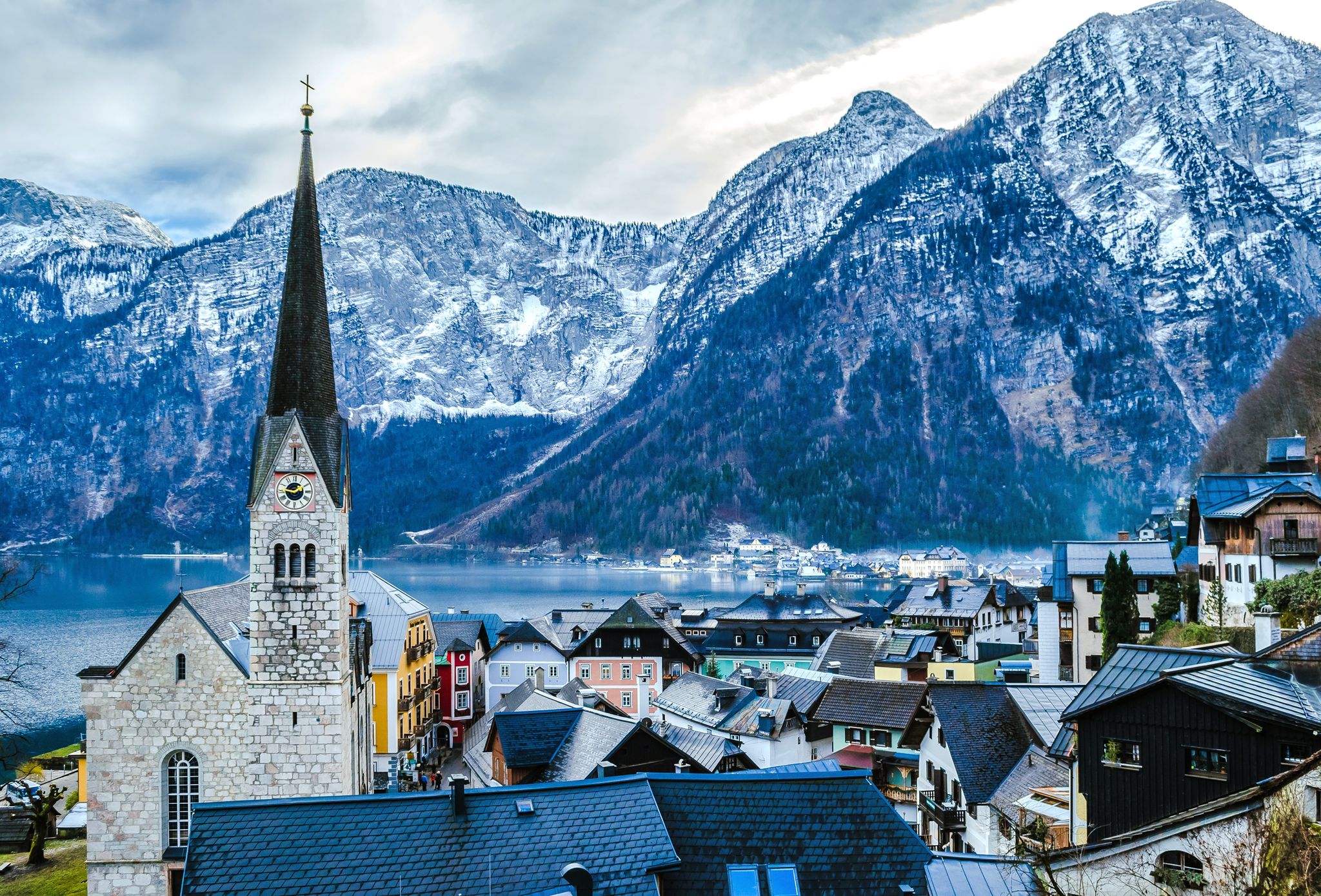
February is firmly part of winter in Austria, bringing crisp air, snow-covered landscapes, and a magical seasonal atmosphere. While temperatures are cold across the country, weather conditions vary by region, making it easy to plan your trip around the experiences you’re most interested in, from Austrian city sightseeing tours to alpine adventures.
Here’s a regional breakdown of the weather in Austria in February.
Weather in Eastern Austria in February

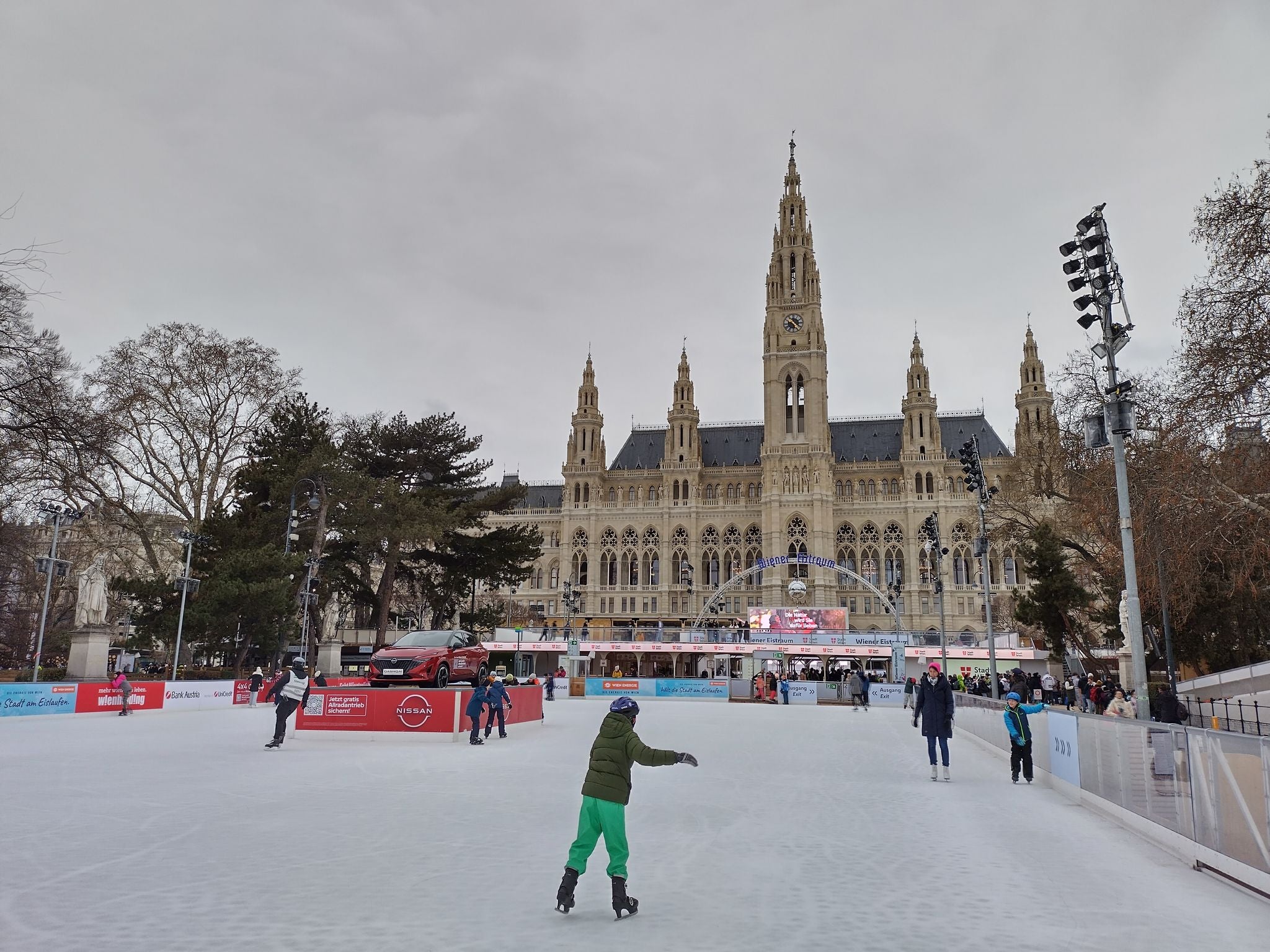
Eastern Austria, including Vienna and its surrounding region, experiences classic winter weather that’s well-suited for cultural sightseeing and city breaks.
What to expect:
- Average temperatures: 30 F to 39 F (−1 C to 4 C)
- Snow: Occasional snowfall, with some rainy or mixed precipitation days
- Rain: Low to moderate
- Daylight hours: Around 9 to 10 hours per day
- Overall feel: Cold but manageable, especially for museum visits and city walks
February Weather in Central Austria

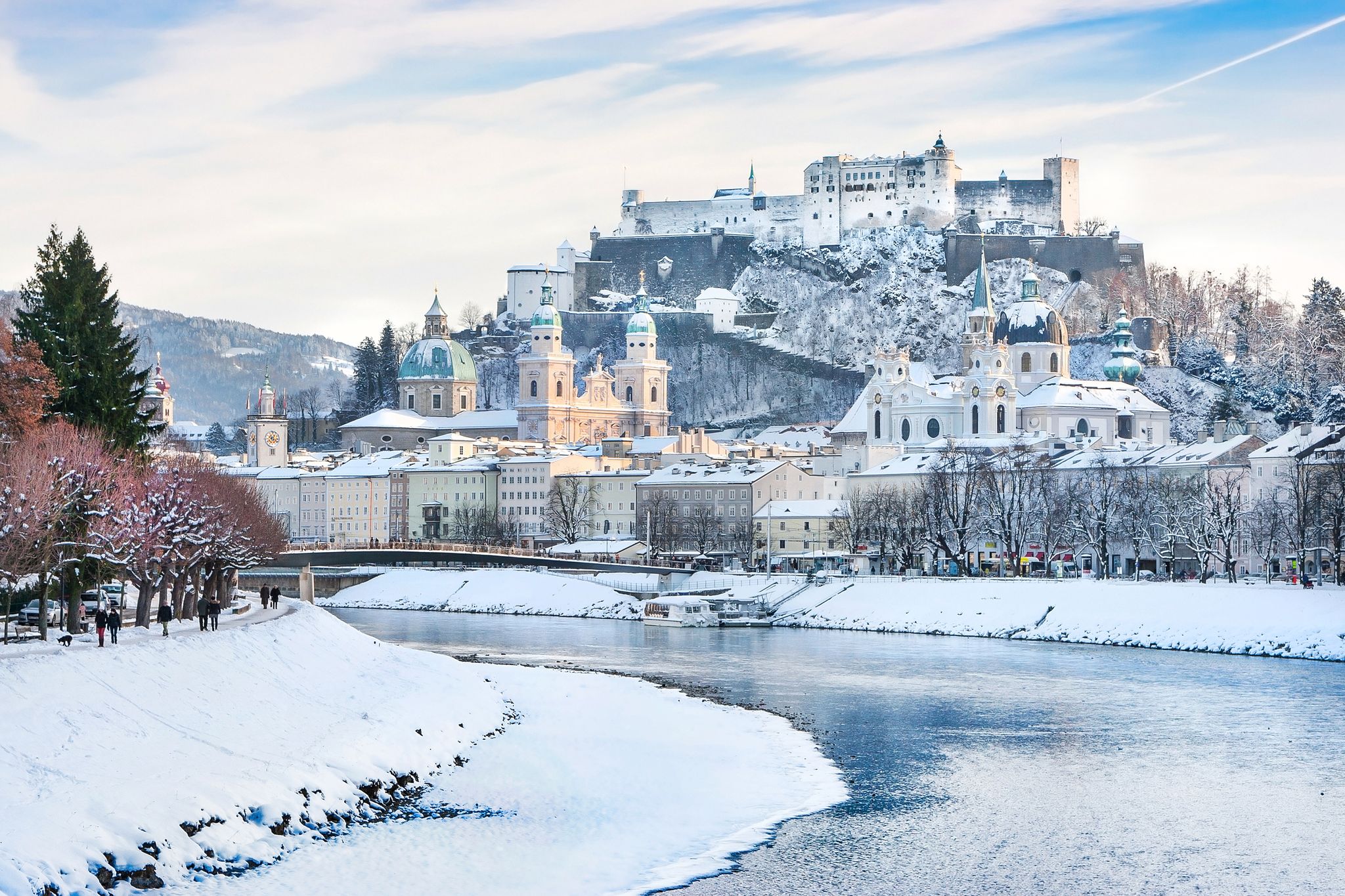
Central Austria tends to be colder and snowier, especially closer to the Alps, giving cities like Salzburg a charming winter backdrop.
What to expect:
- Average temperatures: 27 F to 41 F (−3 C to 5 C)
- Snow: Frequent, particularly in higher areas
- Rain: Low, mostly falling as snow
- Daylight hours: Around 9 to 10 hours per day
- Overall feel: Cold and often snowy, with picturesque winter scenery
February Weather in Western Austria & the Alps

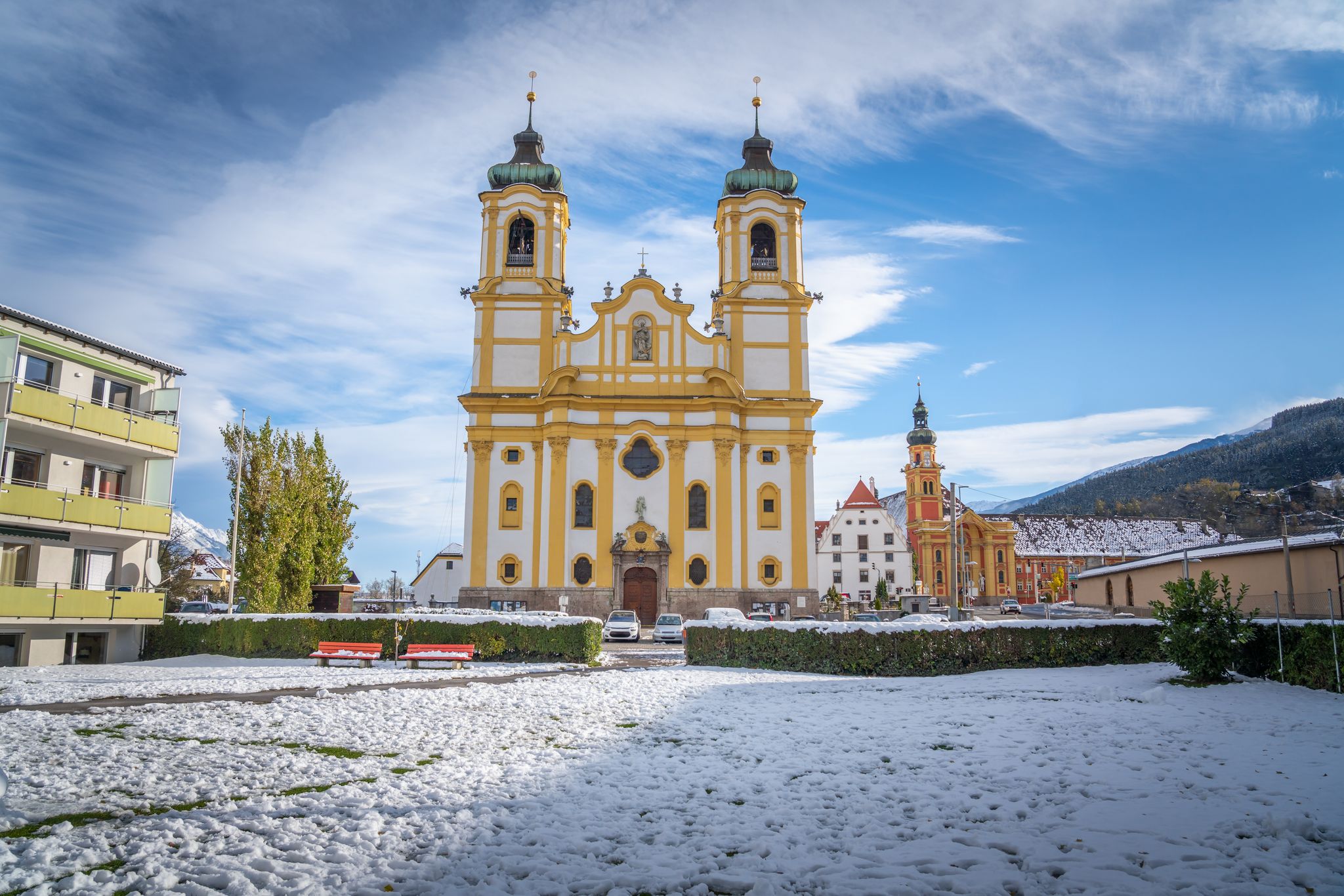
Western Austria (Tyrol & Vorarlberg) experiences full alpine winter conditions in February, making it one of the best regions for snow-based activities.
What to expect:
- Average temperatures: 18 F to 36 F (−8 to 2 C)
- Snow: Heavy and reliable throughout the month
- Rain: Minimal
- Daylight hours: Around 9 to 10 hours per day
- Overall feel: Cold, snowy, and ideal for skiing and winter sports
Weather in Southern Austria in February

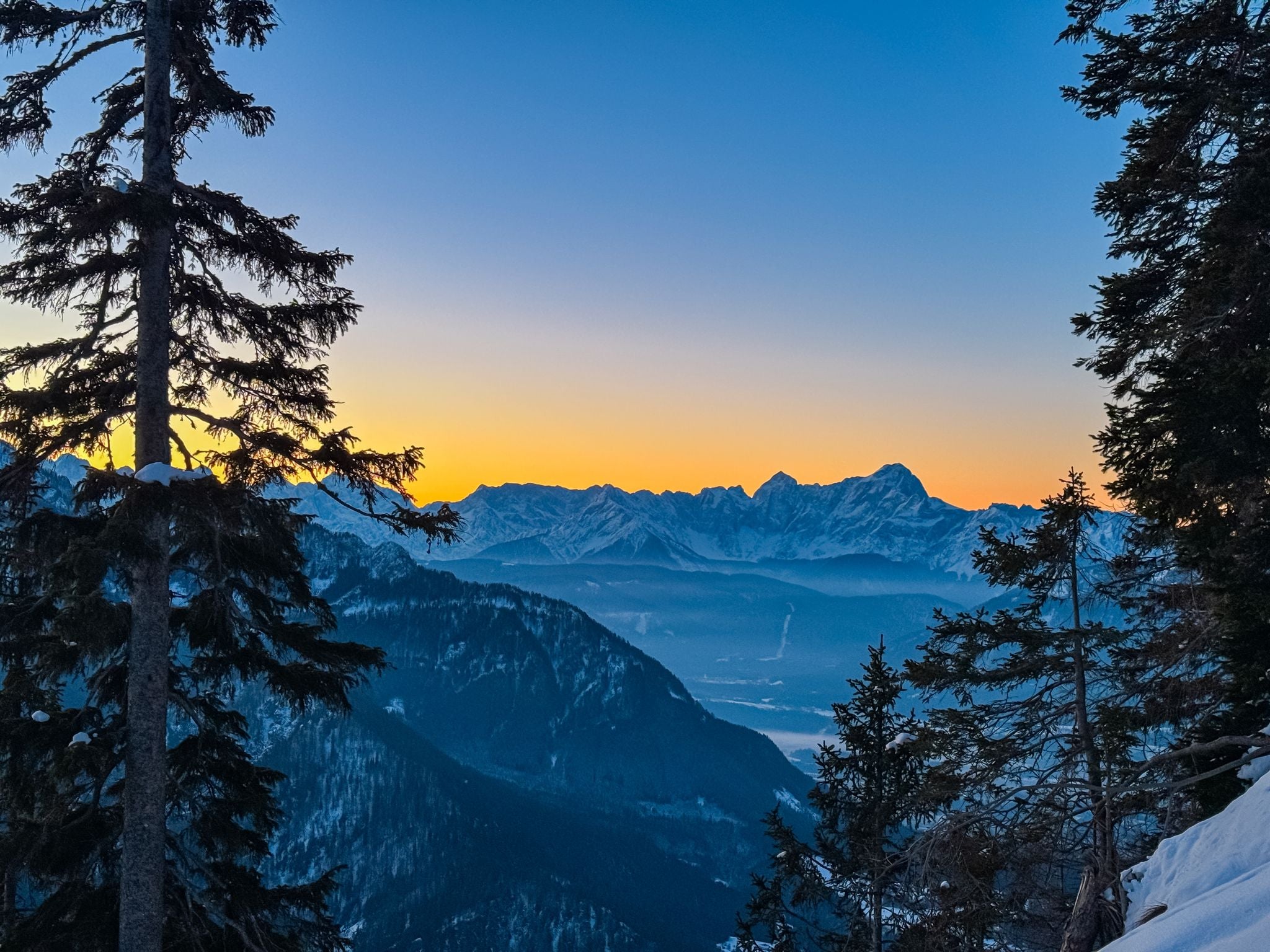
Southern Austria (Carinthia & Styria) enjoys slightly milder winter weather compared to the Alps, with a good balance of cold temperatures and brighter days.
What to expect:
- Average temperatures: 25 F to 43 F (−4 C to 6 C)
- Snow: Moderate, increasing in mountainous areas
- Rain: Low
- Daylight hours: Around 9 to 10 hours per day
- Overall feel: Cold but often sunnier, with a calmer winter atmosphere
Travel tip: Weather conditions can change quickly in February, especially in alpine regions, so layering and winter-ready footwear are essential no matter where you’re headed in Austria.
Visit GeoSphere Austria’s official website for more weather information.
Best Things To Do in Austria in February

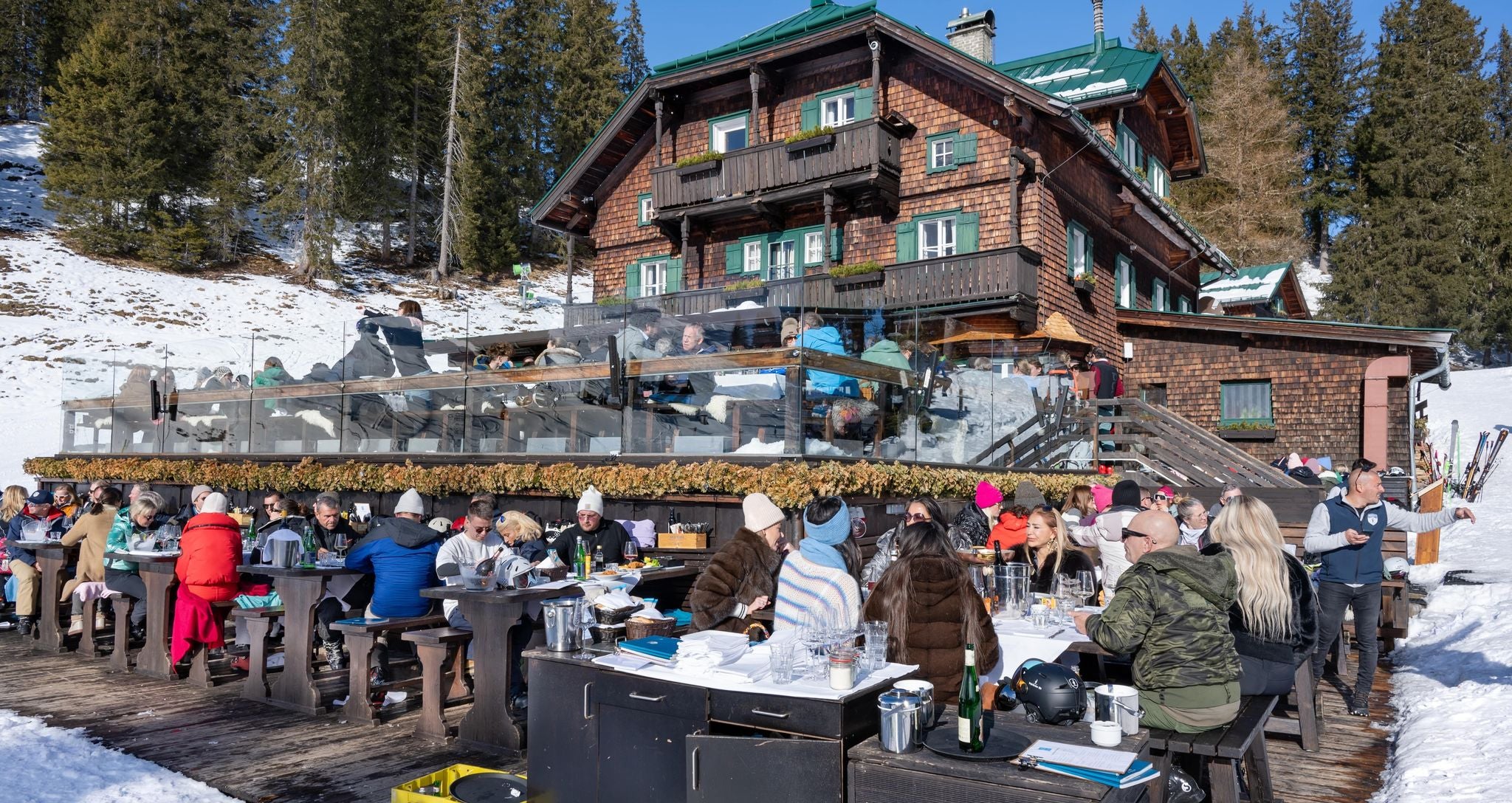
Austria in February transforms into a winter wonderland packed with exciting experiences. If you're drawn to snowy mountains or cozy city life, there’s something for every type of traveler. From skiing in the Alps to relaxing in thermal spas or tasting rich winter cuisine, this is one of the best times to explore Austria's seasonal highlights.
Here are some of the best things to do in Austria in February.
Go Skiing or Snowboarding in Austria in February

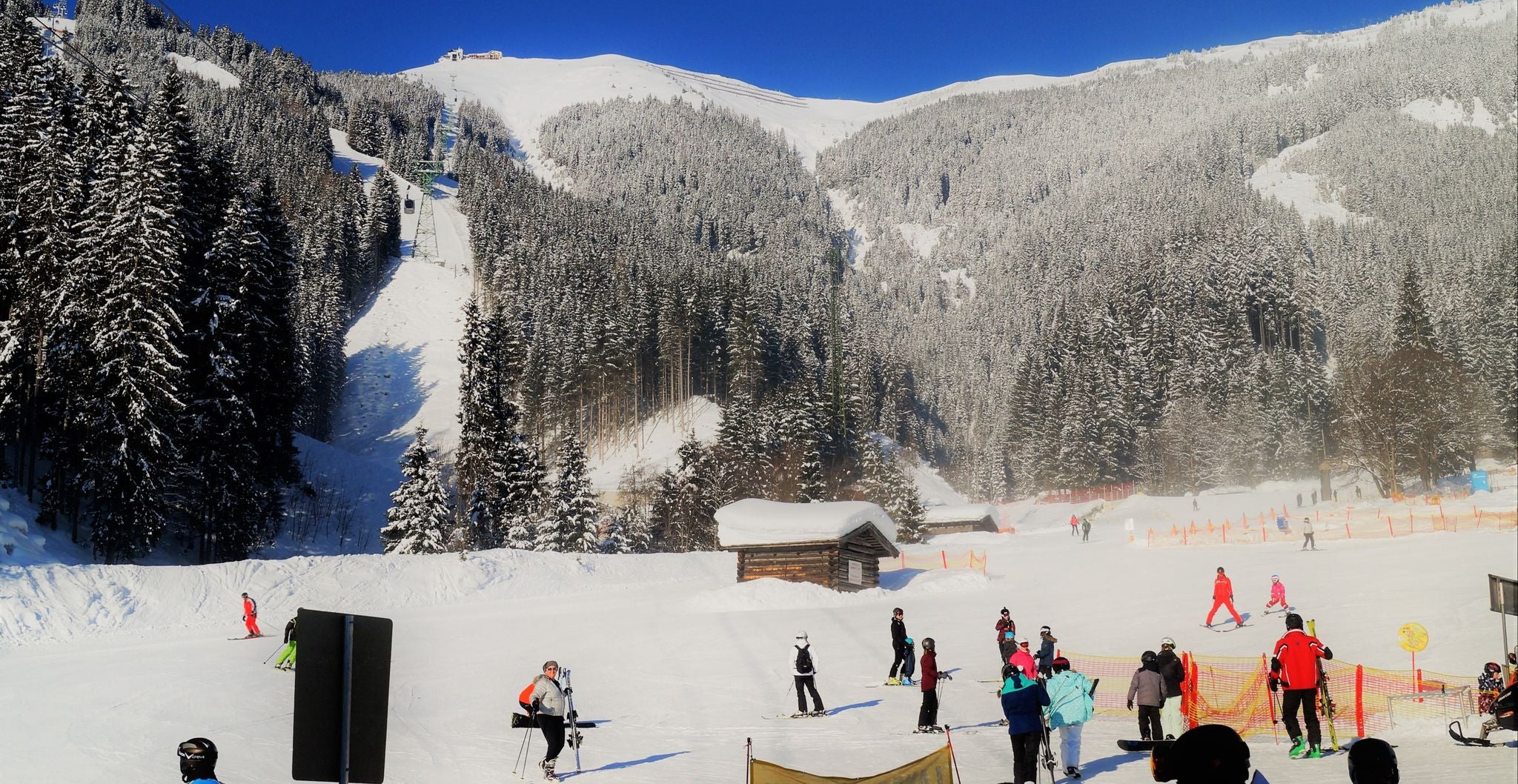
February is when ski season truly comes alive in Austria, with fresh snow blanketing the slopes and alpine towns buzzing with energy. The Austrian Alps promise a thrilling mix of snow-covered slopes, dramatic scenery, and ski facilities ideal for winter sports lovers. Whether you’re an expert skier or a beginner, you’ll find terrain suited to your skill level.
Resorts such as St. Anton, Kitzbuhel, and Zell am See offer some of the most memorable ski adventures. Each destination features a mix of challenging runs, relaxing lodges, and sweeping views of snow-covered peaks. Enjoy everything from night skiing and terrain parks to scenic, guided downhill tours.

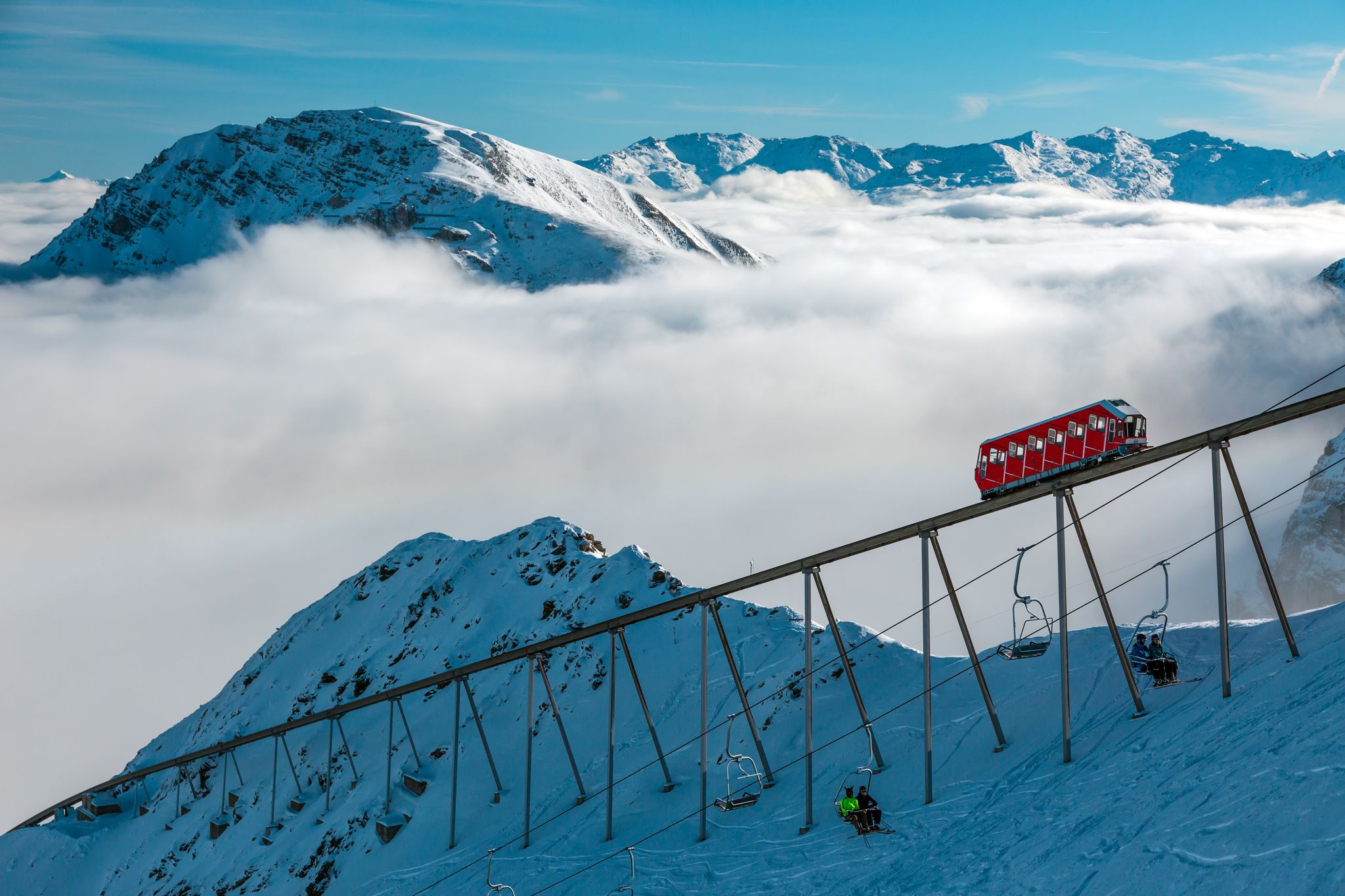
Embark on your ultimate winter break with the best ski trips in Austria. Plan a five-day ski trip to Kitzbuhel, where luxury stays, stunning runs, and lively apres-ski nights await. For a balanced blend of adventure and lakeside scenery, consider spending five days skiing in Zell am See. No matter where you go, skiing in Austria offers more than just sport. It’s a whole cultural experience.
When the lifts close, dive into Austria’s vibrant apres-ski culture filled with flair and cozy vibes. Picture evenings spent by fire pits, sharing hearty Tyrolean dishes, sipping mulled wine, and listening to live music with fellow travelers. From the dramatic winter scenery to lively traditions, a ski holiday in Austria is about much more than snow.
Indulge in Austrian Winter Cuisine

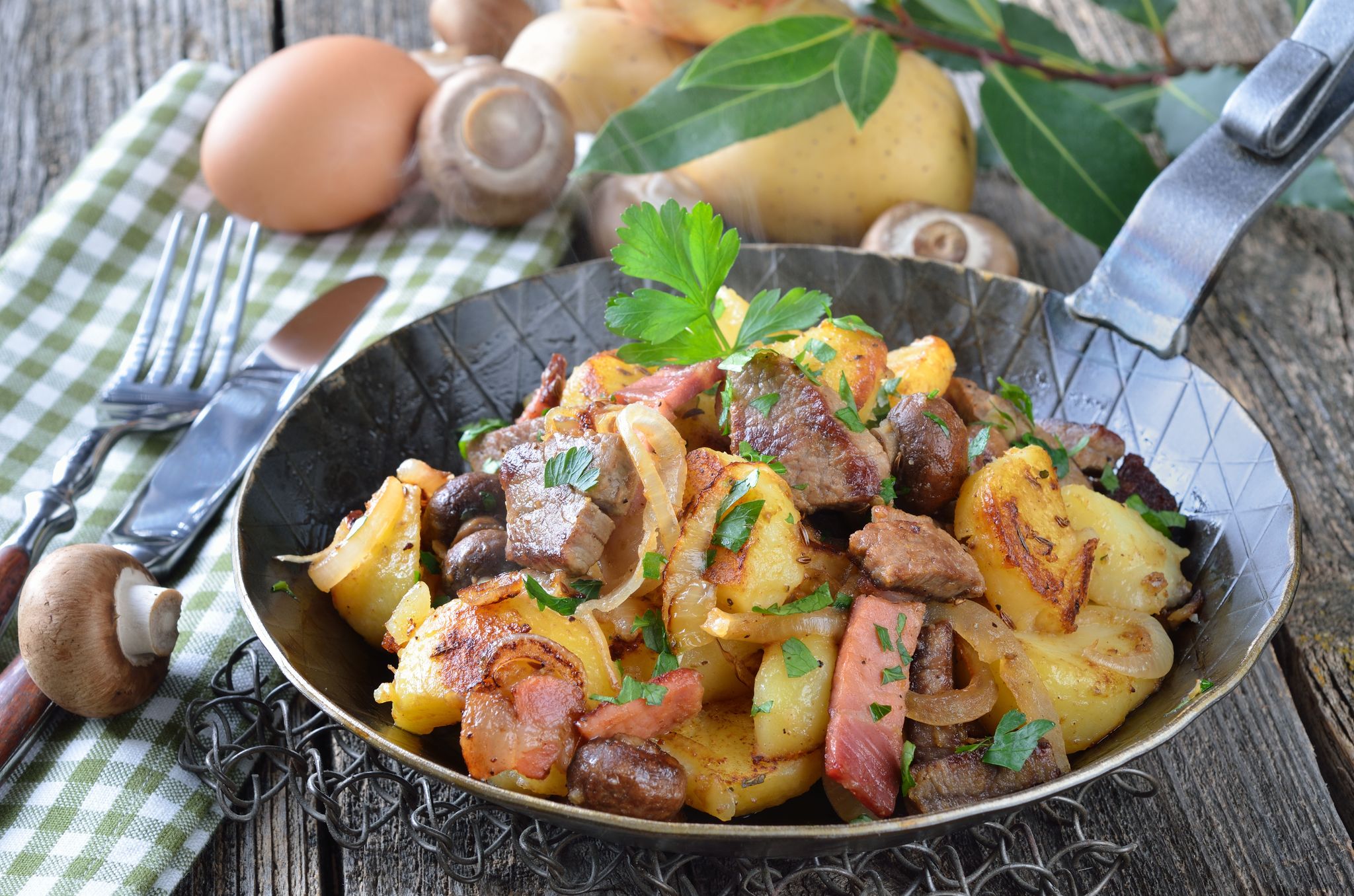
February is one of the most rewarding times to experience Austrian cuisine, when cold weather brings rich, warming dishes to the table. In Austria in February, food is closely tied to the season, with menus reflecting alpine traditions and recipes designed to provide comfort after winter sightseeing.
Hearty classics such as Wiener Schnitzel and Tiroler Grostl are widely available in both cities and mountain regions, while sweet dishes like Kaiserschmarrn are especially popular during February in Austria. These meals are often served in traditional taverns and alpine huts, where portions are generous and dishes are meant to be enjoyed slowly.

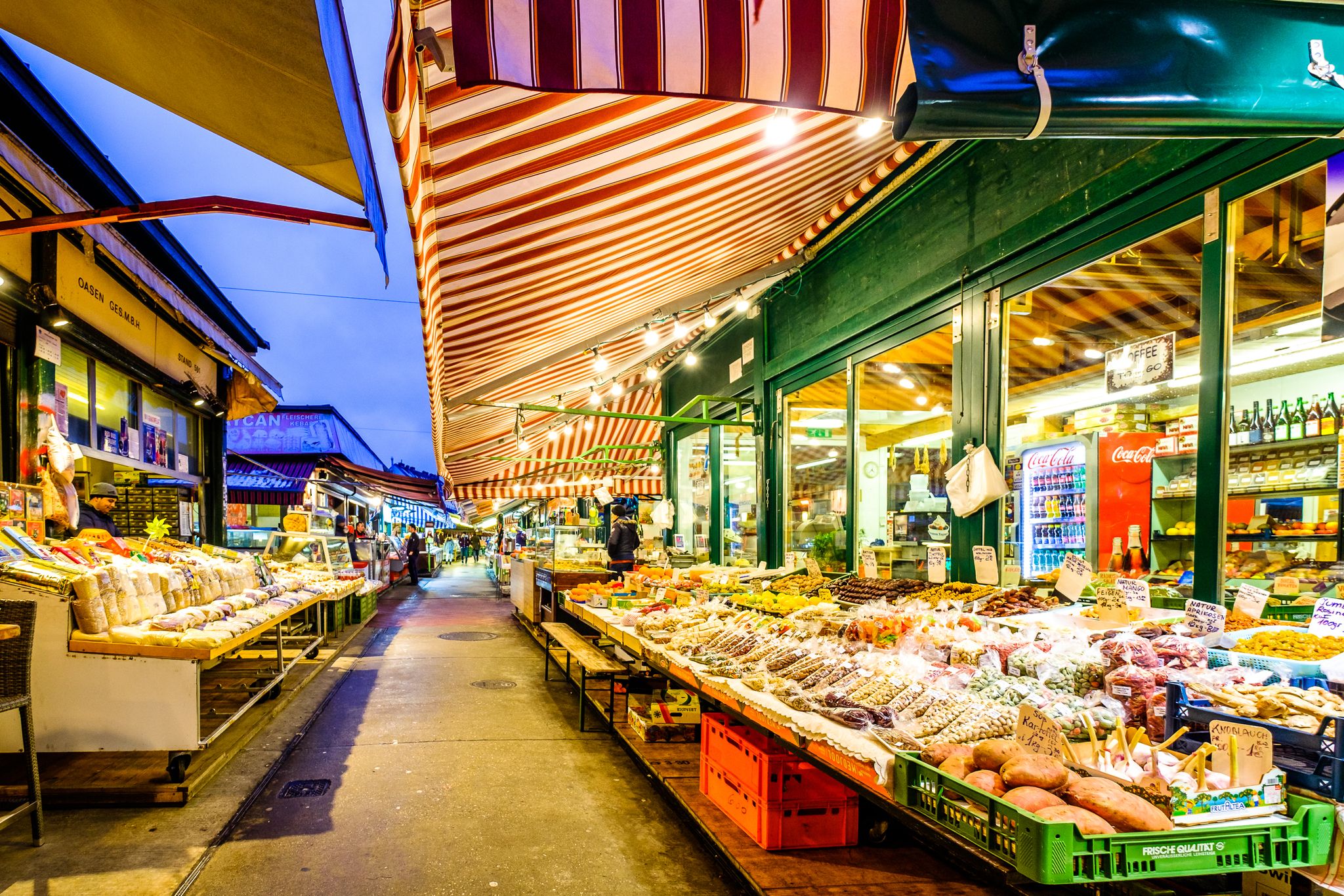
Winter also highlights Austria’s seasonal drinks, particularly hot mulled wine, or Gluhwein, which is commonly found at winter markets and neighborhood stands. Some markets close by late February, so travelers should check local dates and aim to visit earlier in the evening, when the atmosphere is liveliest.
For those seeking a deeper culinary connection, food and drink experiences in Austria go beyond restaurants. Local food tours and Austrian street food tours offer guided tastings and cultural context, while culinary tours provide insight into regional cooking traditions.
Booking indoor-focused tours is a practical choice in winter, especially on colder or snowy days.
Enjoy Austria’s Thermal Spas in February

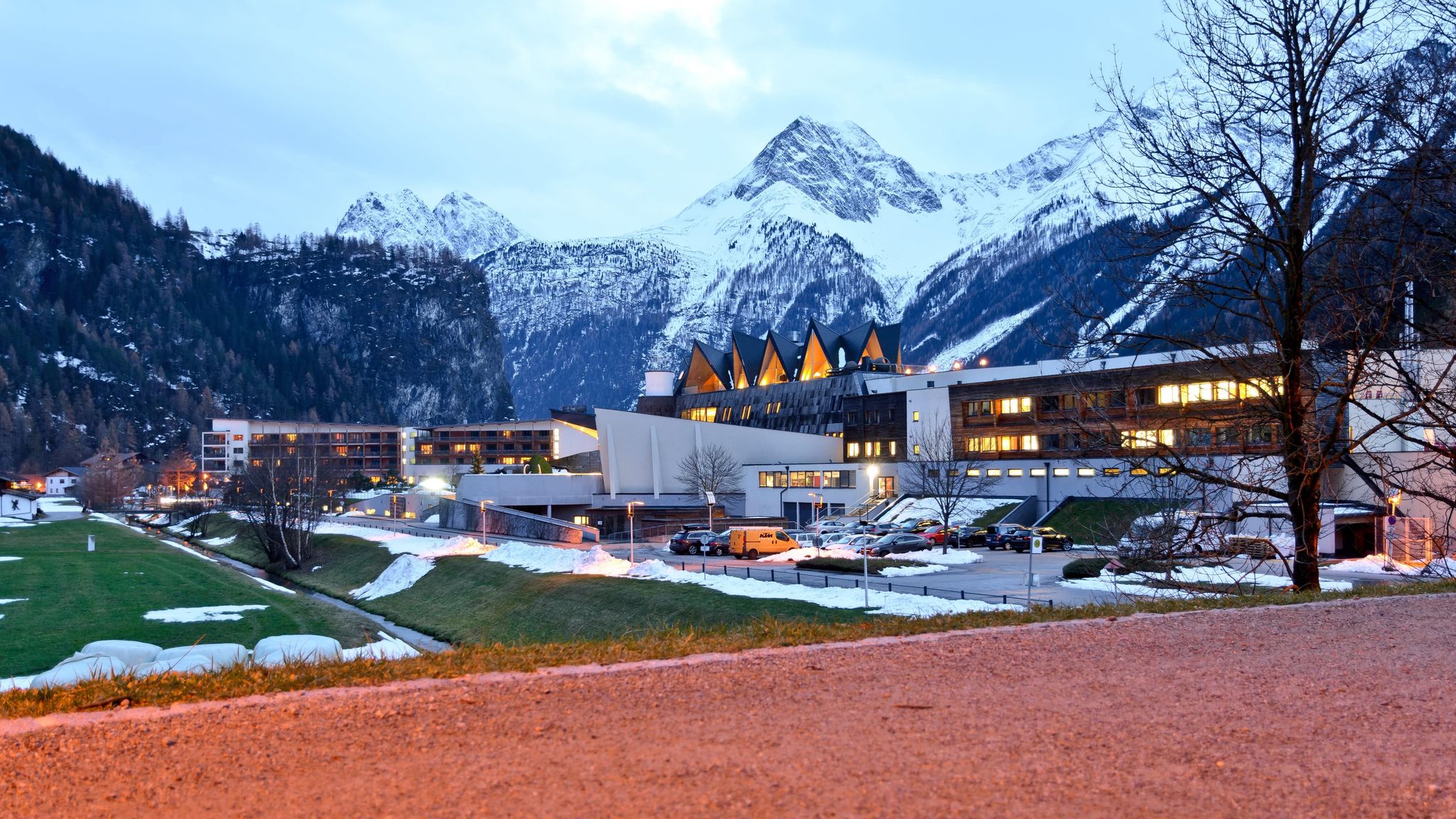
After a day in the snow, there’s nothing better than soaking in warm, mineral-rich waters surrounded by mountainous scenery. Austria is home to some of the best thermal spas in Europe, offering the perfect mix of relaxation and wellness. These natural hot springs are ideal for unwinding in February’s chilly weather.
Head to Bad Gastein, a historic spa town in the mountains, known for its healing waters and elegant Belle Epoque architecture. Nearby, Bad Ischl blends imperial charm with soothing thermal baths, once favored by Austrian royalty. Both towns offer spa hotels, saunas, and wellness treatments tailored for winter.
One of the most iconic destinations is the Aqua Dome in the Otztal Alps. This futuristic spa resort features open-air pools heated year-round, panoramic views, and a full range of wellness facilities. It’s a must-visit if you're looking for luxury and rejuvenation.
Ice Skate on Outdoor Rinks and Frozen Lakes in January

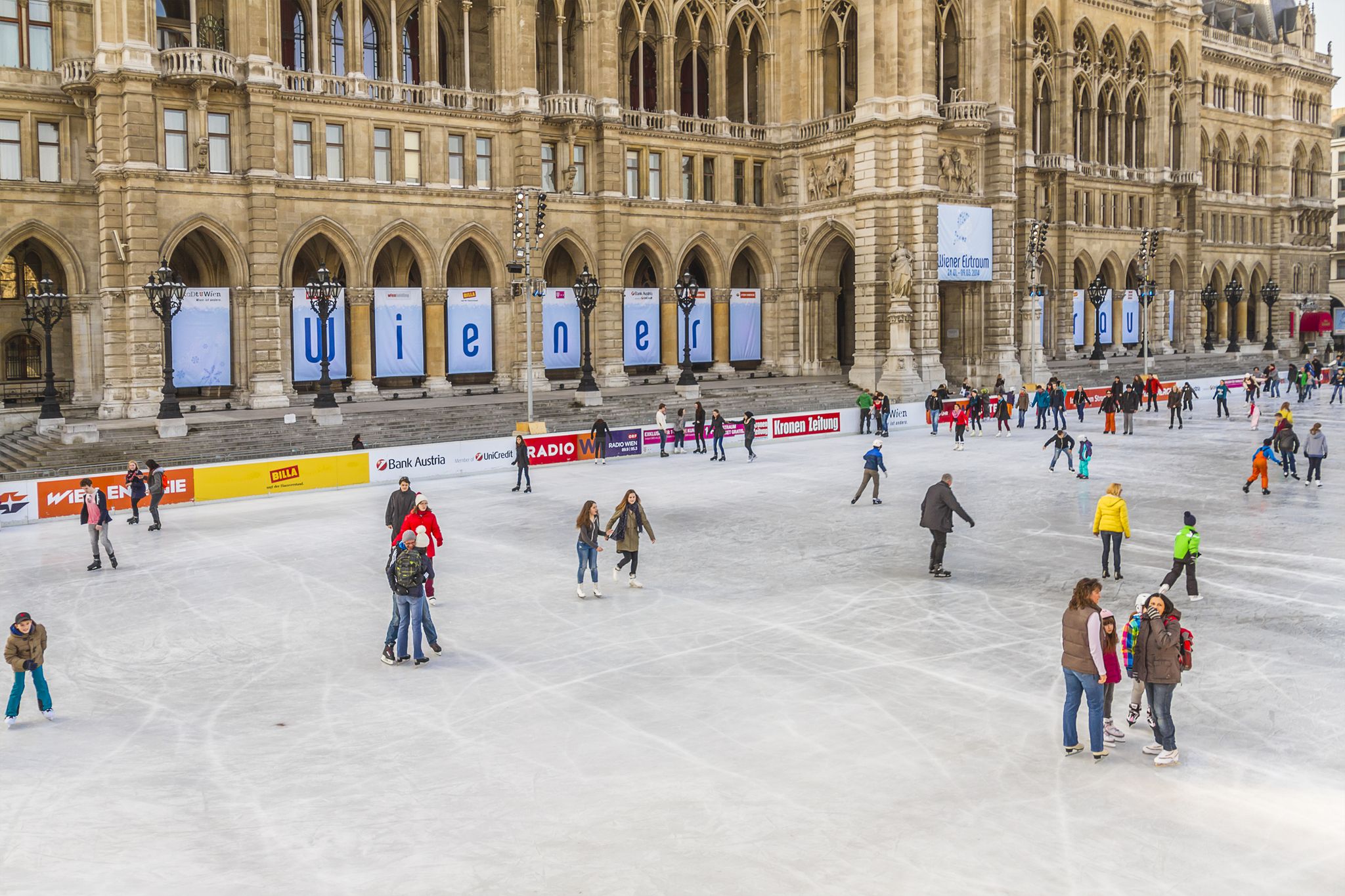
Ice skating is one of the most atmospheric ways to experience Austria in February, when cold temperatures transform city squares and natural landscapes into seasonal skating spots. The combination of crisp air, soft lighting, and snow-covered surroundings creates a peaceful setting that reflects the quieter rhythm of winter travel.
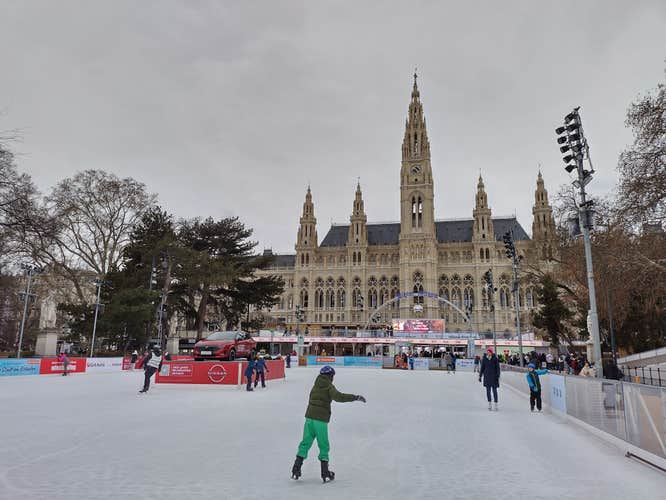
In Vienna, the Vienna Ice Dream takes over the area in front of City Hall, turning the square into a network of illuminated ice paths. Skates can be rented on-site, and warm drinks and snacks are available nearby, making it easy to enjoy the experience even on colder evenings. Visiting on weekday afternoons helps avoid crowds, especially during school holidays.
For a more tranquil experience, Lake Weissensee in Carinthia offers one of the largest prepared natural ice surfaces in Europe.
Ice skating is also among the most enjoyable kid-friendly activities in Austria during winter, thanks to wide rinks, rental options, and family-friendly facilities. Many locations offer shorter sessions and rest areas, making it easier for families to balance outdoor activity with warm breaks indoors.
When conditions allow, February is ideal for skating across the frozen lake, with well-maintained paths and designated areas that are suitable for all skill levels. Checking ice conditions in advance is essential, as access depends on weather and safety checks.
Take Scenic Winter Train Rides

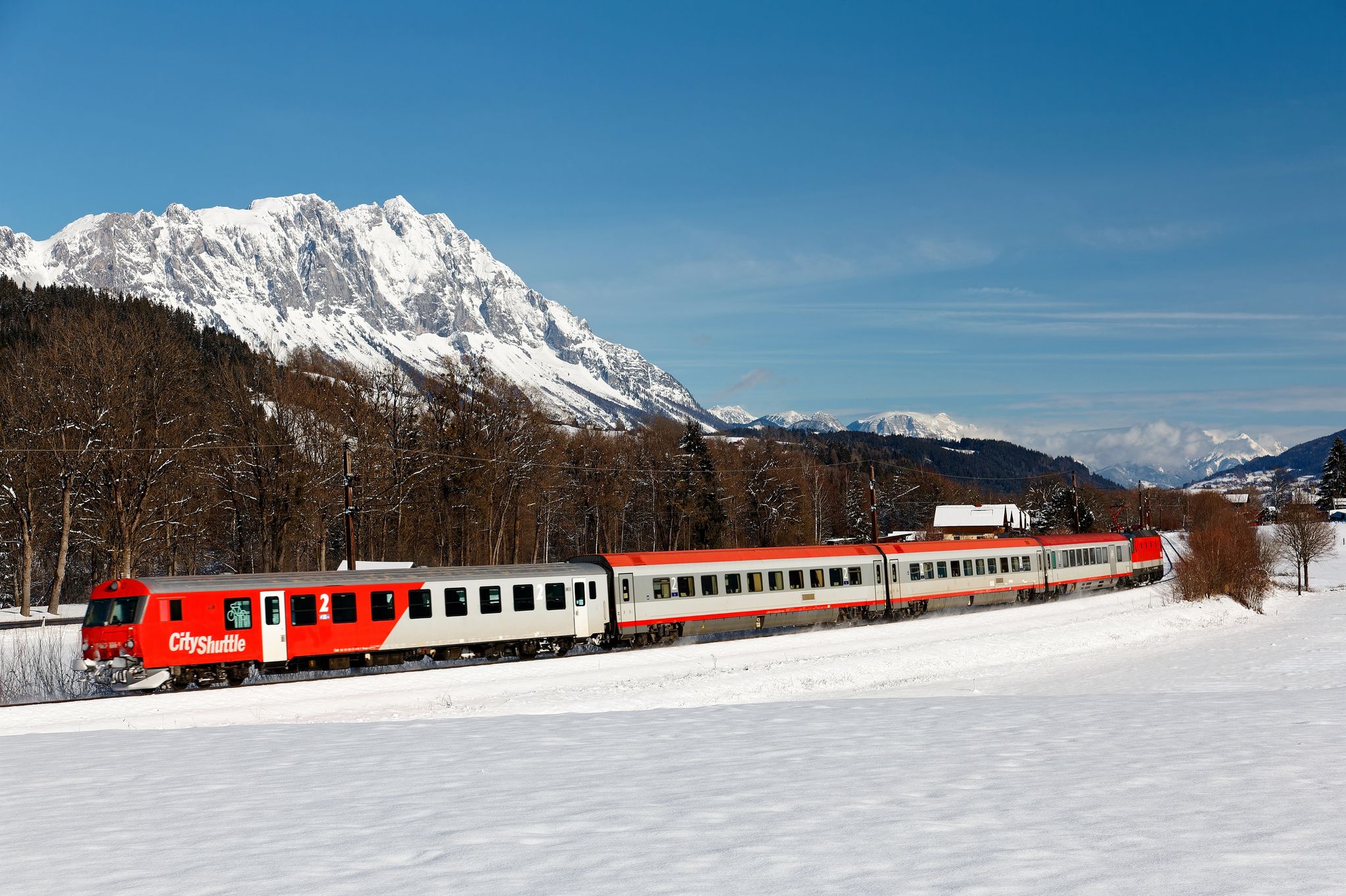
Traveling by train is one of the most relaxing ways to experience Austria in February, when winter landscapes turn even short journeys into scenic highlights. Snow-covered forests, frozen rivers, and alpine valleys pass quietly outside the window, making rail travel especially appealing during February, when road conditions can be unpredictable.
One of the most iconic winter routes is the Semmering Railway, a UNESCO World Heritage site celebrated for both its engineering and scenery. Running between Gloggnitz and Murzzuschlag, the line crosses viaducts and tunnels that offer sweeping views of snow-draped mountains and wooded slopes.
Beyond Semmering, regional routes connect cities with ski towns, lakeside villages, and alpine valleys, making train tours in Austria a practical and scenic option for winter travel.
Trains run year-round, but winter brings a quieter, more atmospheric feel.
For the best experience, booking seats in advance is recommended, especially on popular routes and weekends. Travelers should allow extra time during heavy snowfall, as winter conditions can occasionally affect schedules, though Austria’s rail system remains reliable even in colder months.
Best Places To Visit in Austria in February

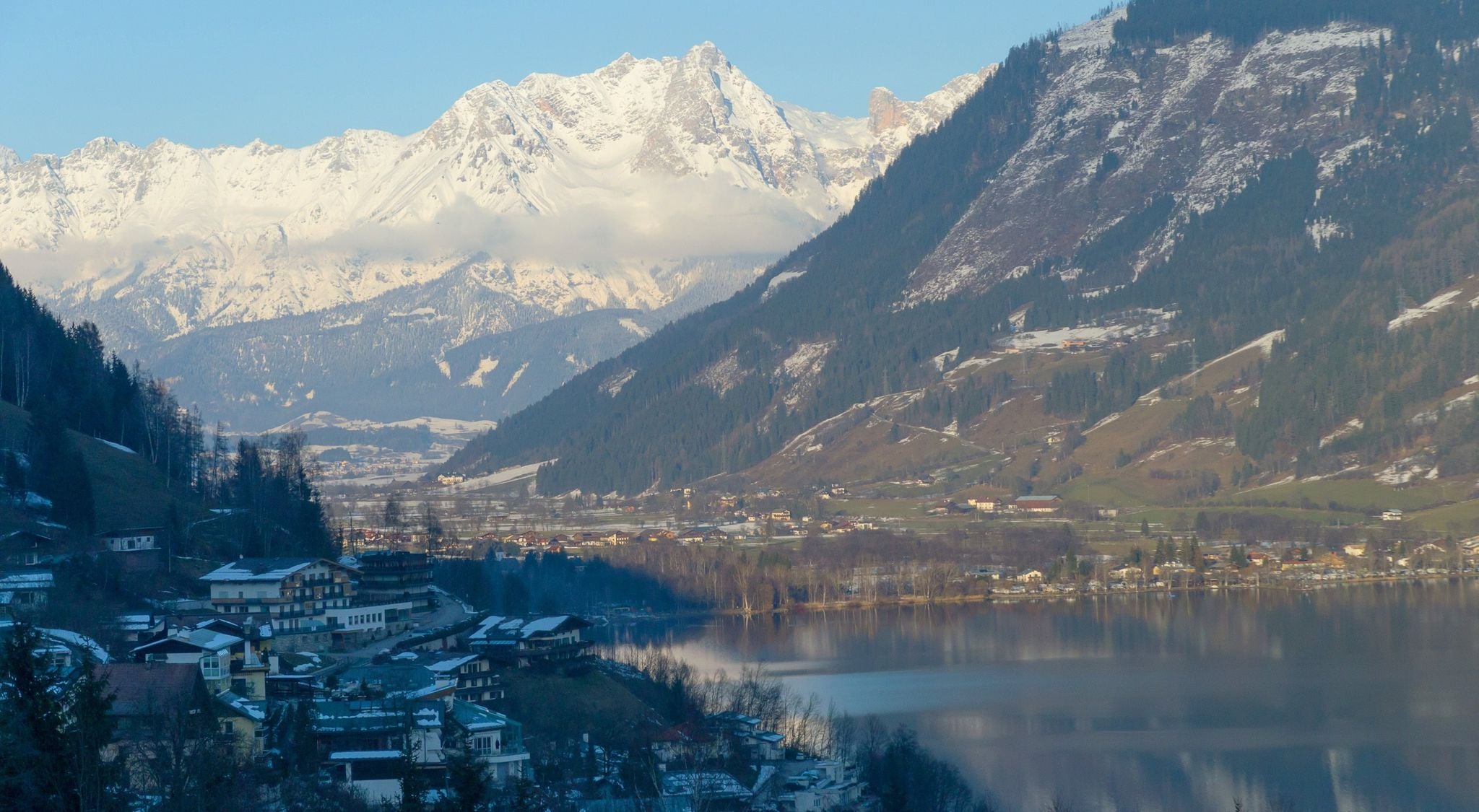
Austria in February offers a variety of winter destinations shaped by snow, culture, and seasonal charm. From elegant cities to snow-covered alpine resorts, the country suits many travel styles. February is an excellent time to explore the top destinations in Austria.
Here are some of the best places to visit February that you can add to your winter Austrian winter itinerary.
Vienna in February

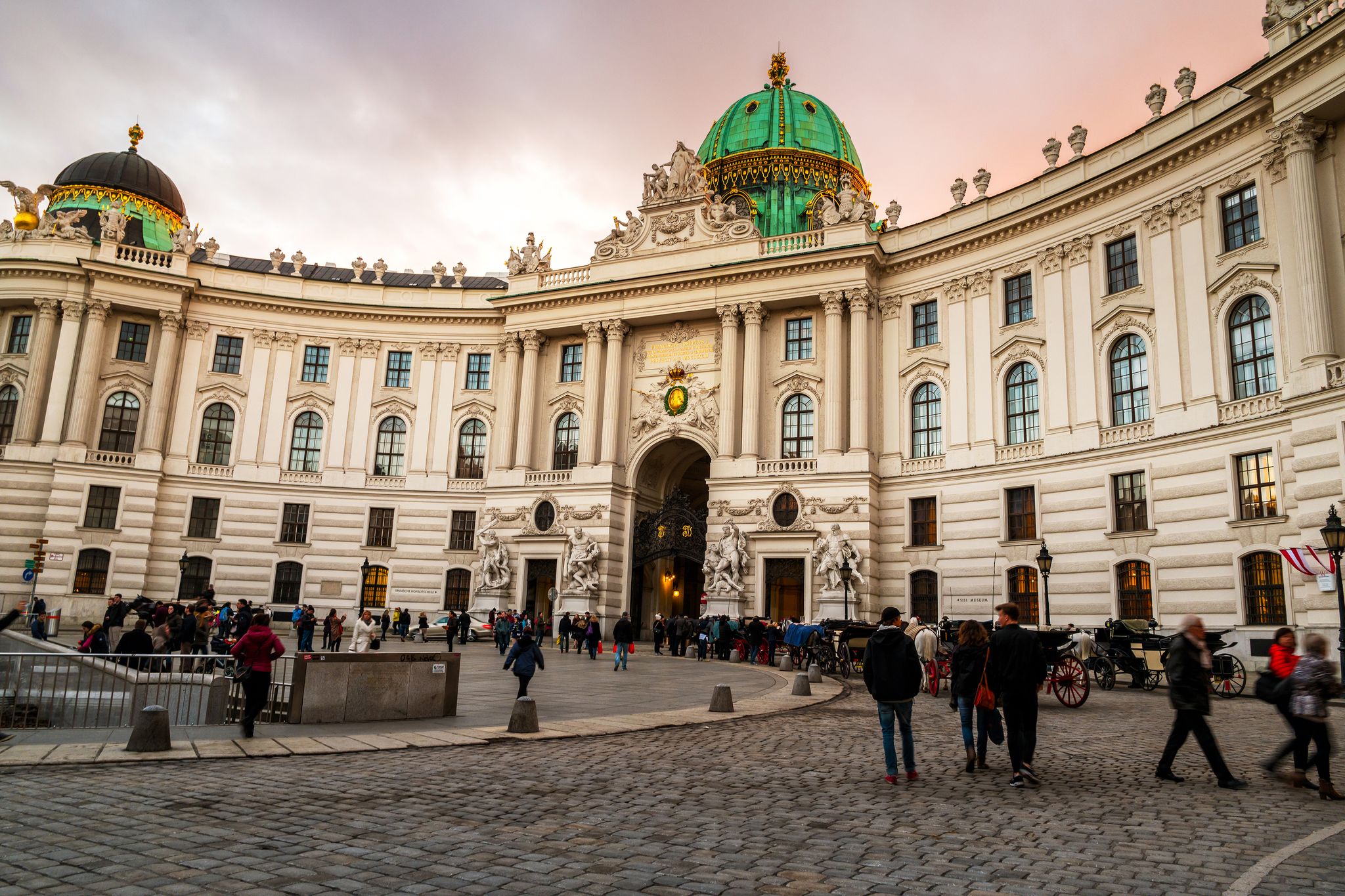
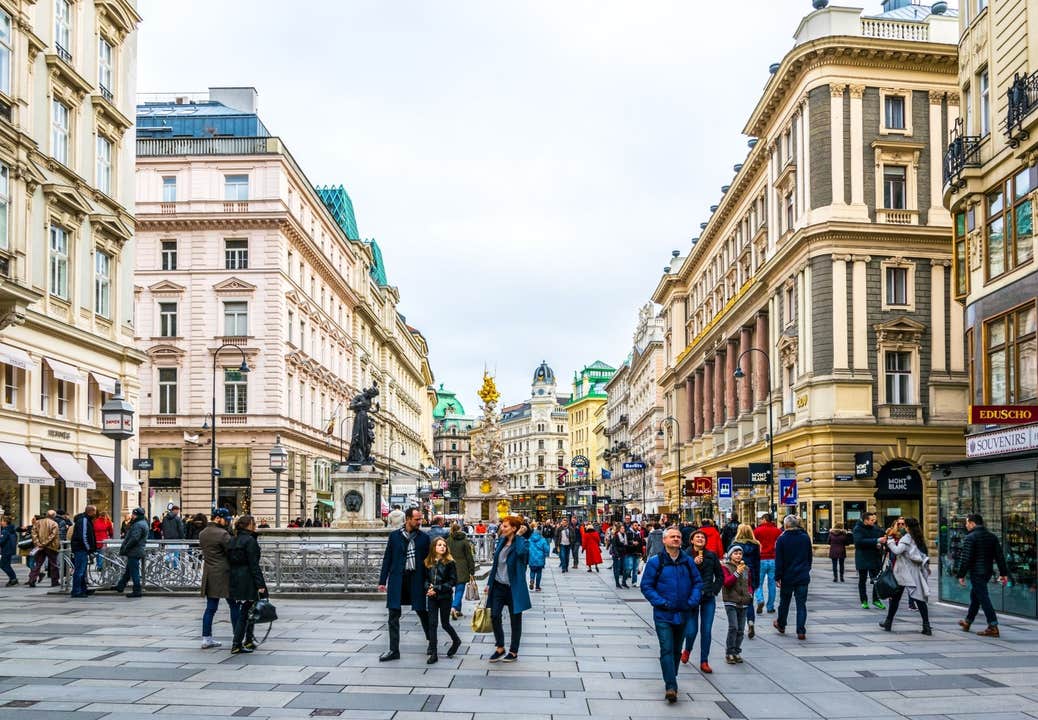
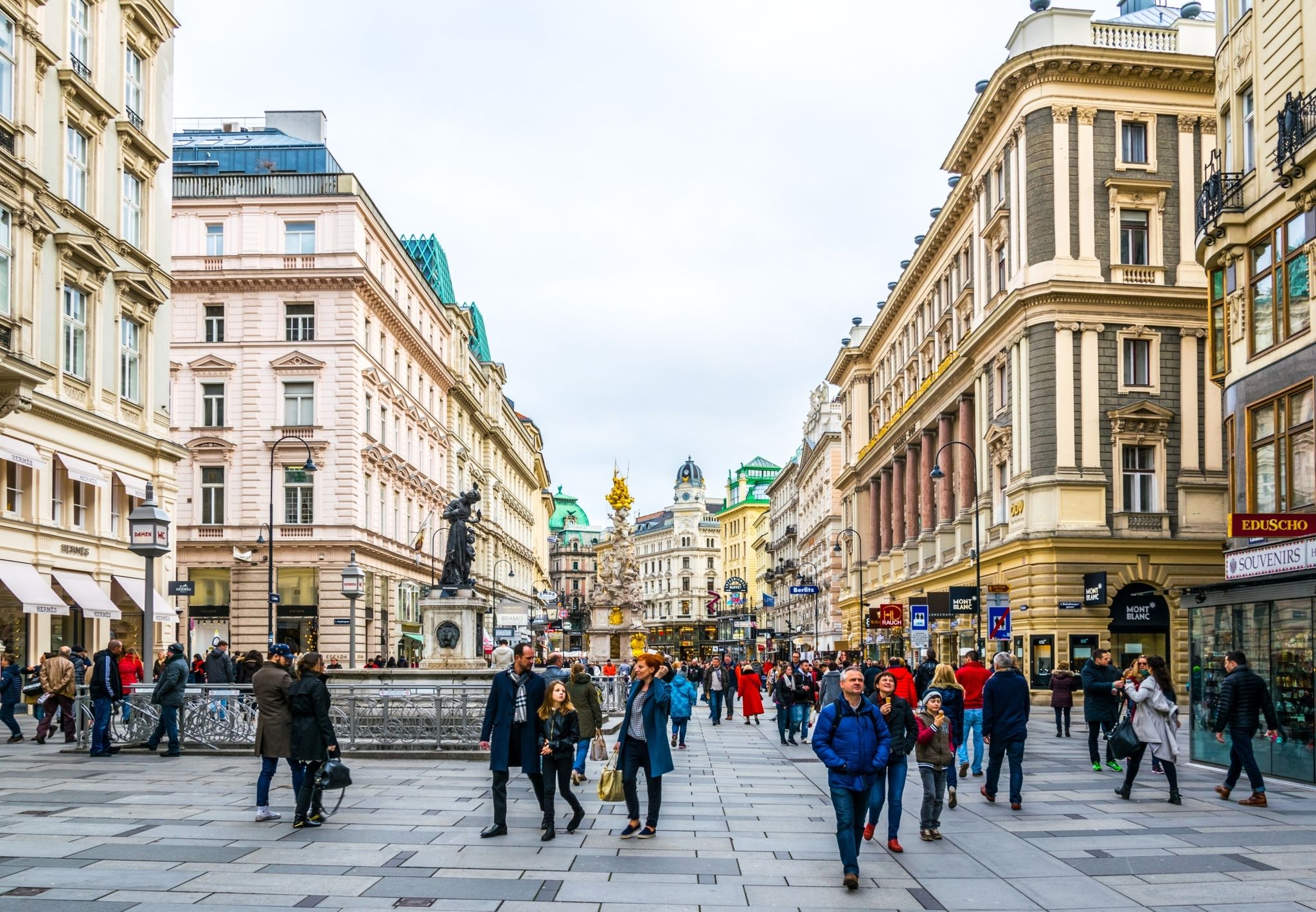
Vienna feels especially refined in winter, when grand architecture, historic streets, and cozy cafes create a calm, elegant atmosphere. Fewer crowds than in summer make it easier to explore museums, palaces, and historic neighborhoods at a relaxed pace, which is why many consider February one of the best times to visit Vienna for culture-focused travel.
February also marks the height of Vienna’s ball season, when historic venues host formal events steeped in tradition. Even without attending a ball, visitors can enjoy must-see attractions such as Schonbrunn Palace, the Hofburg, and the Belvedere with shorter queues, while seasonal highlights like ice skating at Rathausplatz add a festive winter touch.

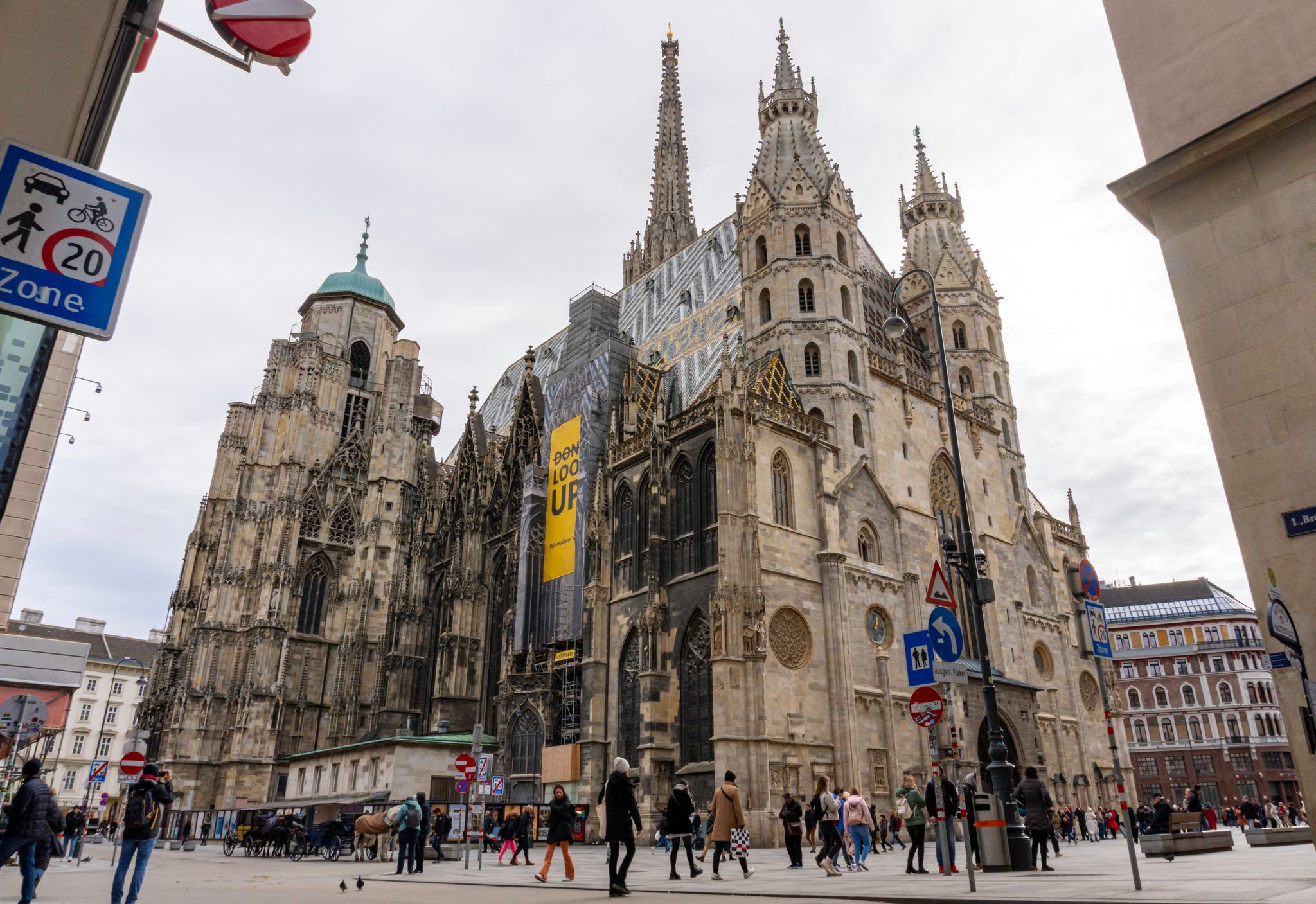
Music lovers will find February especially rewarding, with some of the most celebrated classical music shows in Vienna taking place in iconic venues. Popular performances include Vivaldi’s Four Seasons concert in Karlskirche and a classical concert at St. Peter’s Church, both offering memorable settings and acoustics.
Most attractions remain open throughout February, though daylight hours are shorter and some outdoor sites may close earlier. Dressing in warm layers, planning indoor activities for colder evenings, and relying on Vienna’s efficient public transport make winter sightseeing comfortable and enjoyable.
Salzburg in February

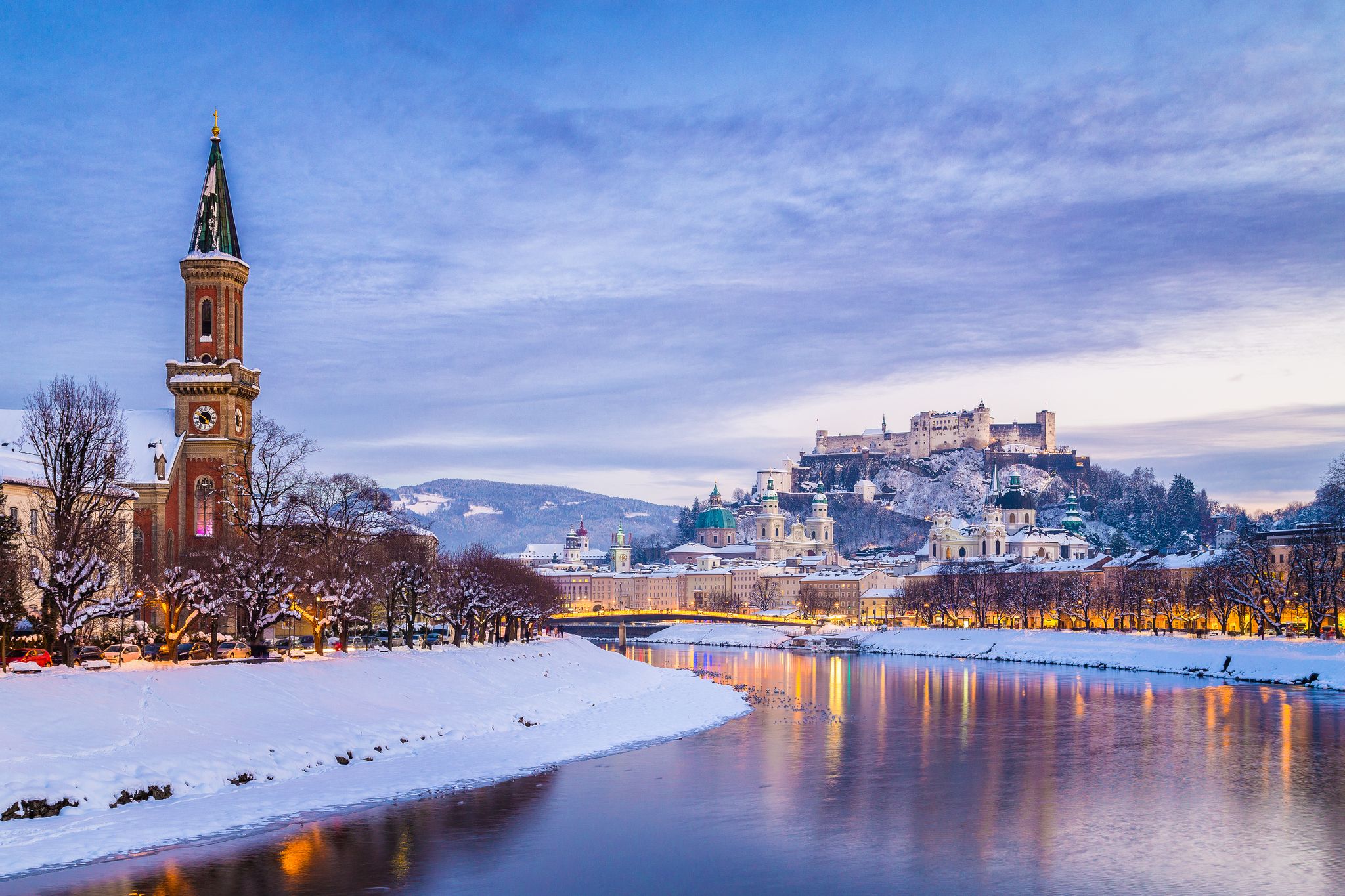
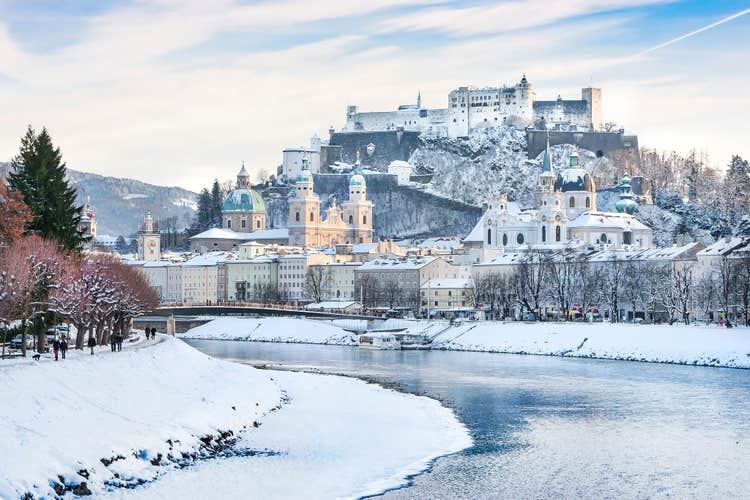
Salzburg takes on a quiet, storybook charm in winter, with its baroque Old Town often lightly dusted with snow and framed by alpine scenery. Austria in February offers a slower, more atmospheric experience, making it one of the best times to visit Salzburg for travelers who enjoy history, architecture, and a calm cultural pace.
February is an excellent time to enjoy Salzburg’s strong musical heritage, with fewer crowds at concerts and historic venues. Popular experiences include the Mozart concert at Mirabell Palace, where classical music is performed in an intimate setting closely tied to the composer’s legacy.

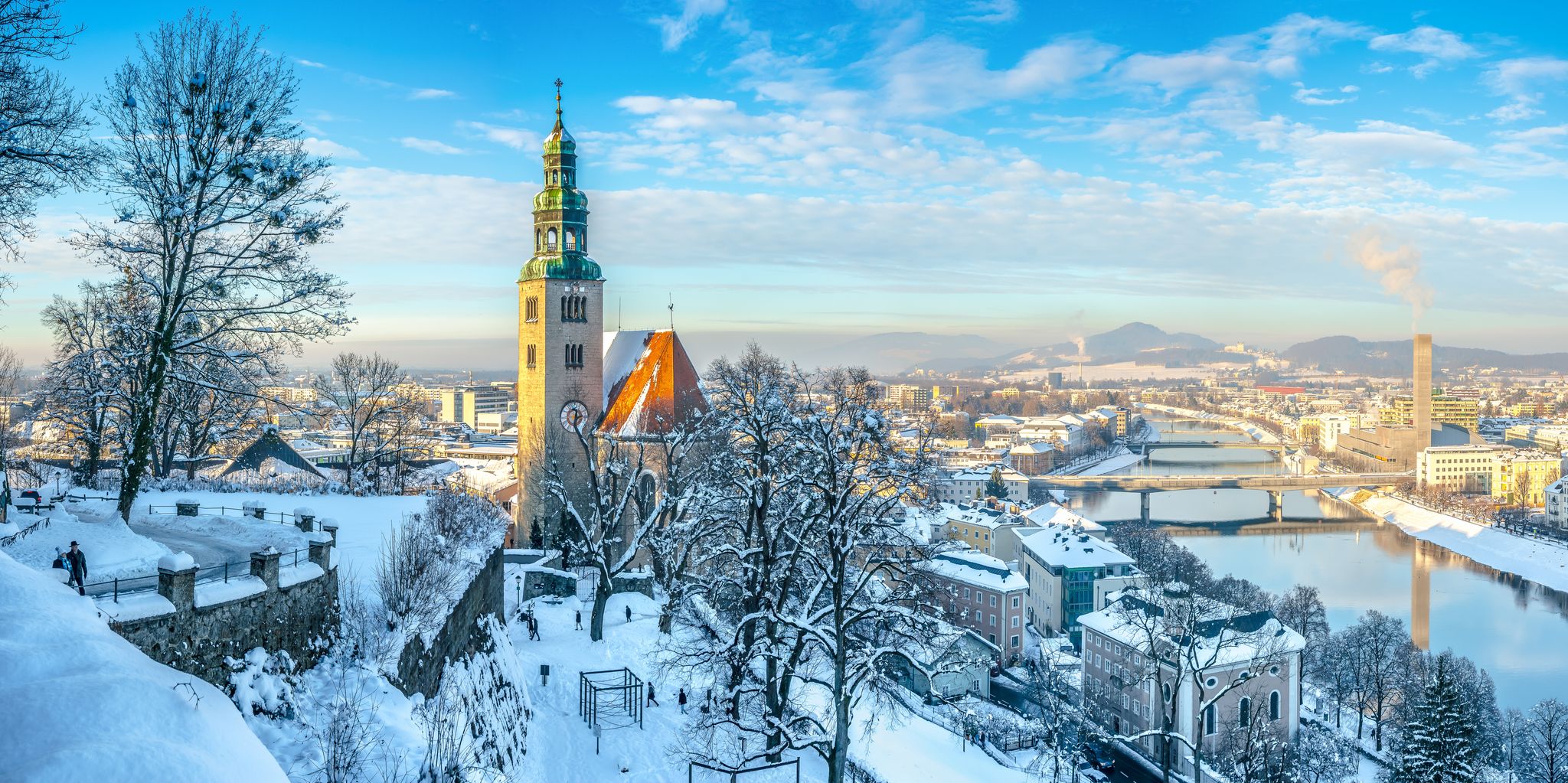
Sightseeing is also more relaxed in winter, with shorter queues at major landmarks such as the Hohensalzburg Fortress overlooking the city. Booking an admission ticket to the Hohensalzburg Fortress allows visitors to explore one of Europe’s best-preserved medieval castles, often accompanied by winter views across the snow-covered city.
For themed experiences, guided tours like the Original Sound of Music tour in Salzburg continue throughout February, offering indoor and outdoor stops despite colder weather.
Evening experiences such as the best of Mozart Fortress concert and dinner in Salzburg combine music and dining, making winter nights especially memorable; visitors should dress warmly and check operating hours, as some outdoor areas may close earlier in winter.
Innsbruck in February

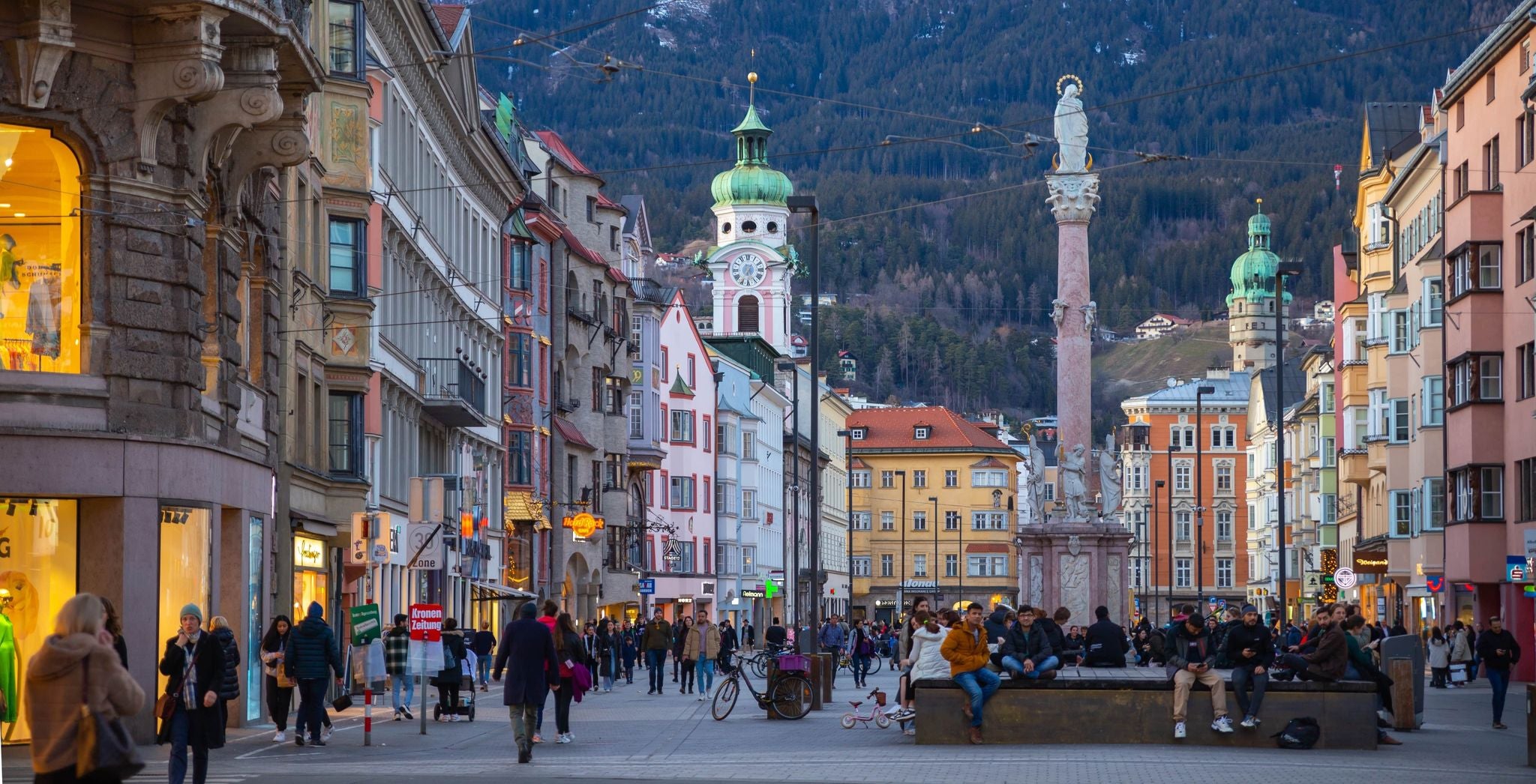
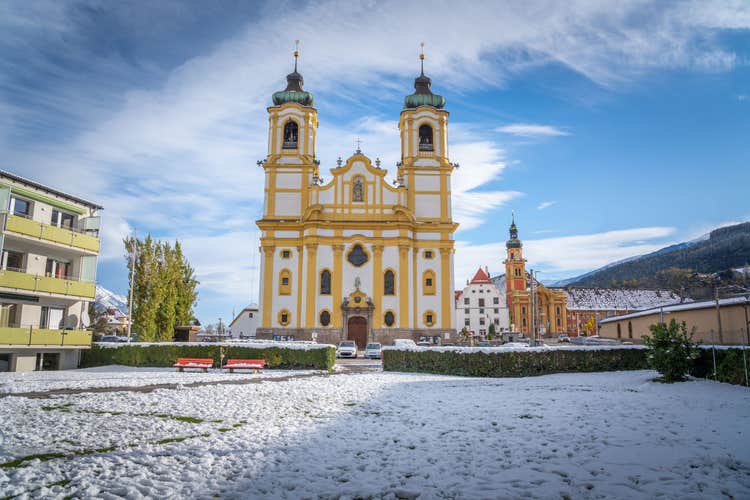
Innsbruck stands out as a winter destination where historic city life meets dramatic alpine scenery. February highlights this contrast, with snow-covered peaks rising behind the Old Town, imperial architecture, and lively cafes that remain active even in colder weather.
February is well-suited for mixing culture with the outdoors, as many slopes and cable cars are located just minutes from the city center. Those interested in ski trips in Innsbruck can spend mornings on the mountains and afternoons exploring the city without changing accommodations, making logistics simple and efficient.
Innsbruck city sightseeing tours offer a comfortable way to explore key landmarks in winter, while attractions such as the entrance ticket to the Bergisel Ski Jump Arena provide insight into the city’s sporting heritage and panoramic views.

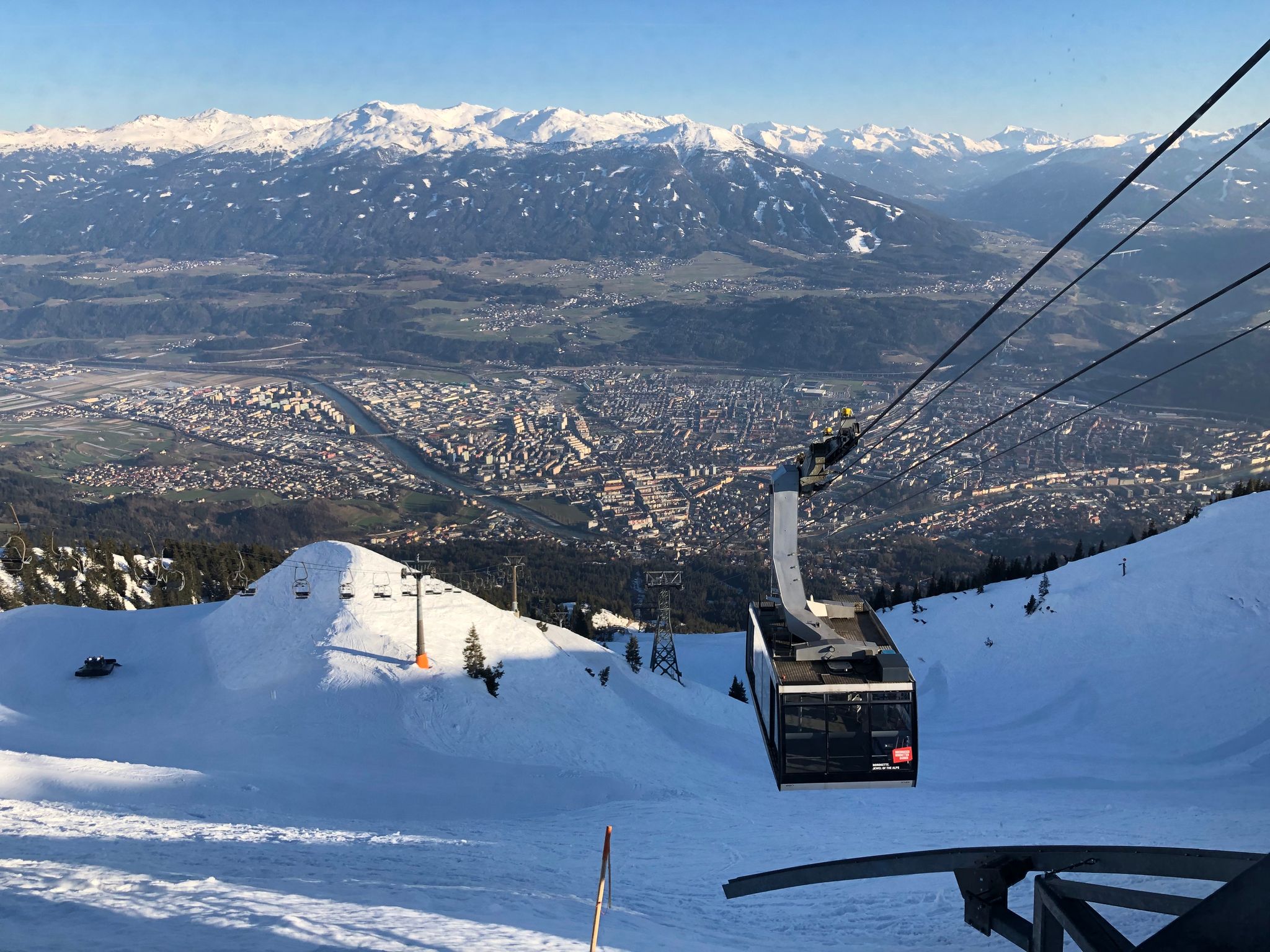
The cable car ride to the Nordkette mountains offers one of Innsbruck’s most memorable winter experiences, with sweeping alpine views just minutes from the city center on clear February days. Ride to the summit with the Top of Innsbruck round-trip cable car ticket, where panoramic views of the snow-covered Alps await.
Cultural evenings add depth to a winter stay, with experiences such as a Tyrolean folk show in Innsbruck offering local music and traditions indoors. For a family-friendly activity, you can also combine nature and wildlife with the Alpenzoo and Top of Innsbruck combination ticket.
Some outdoor attractions may close earlier due to shorter daylight hours, making daytime planning especially important.
The Austrian Alps in February

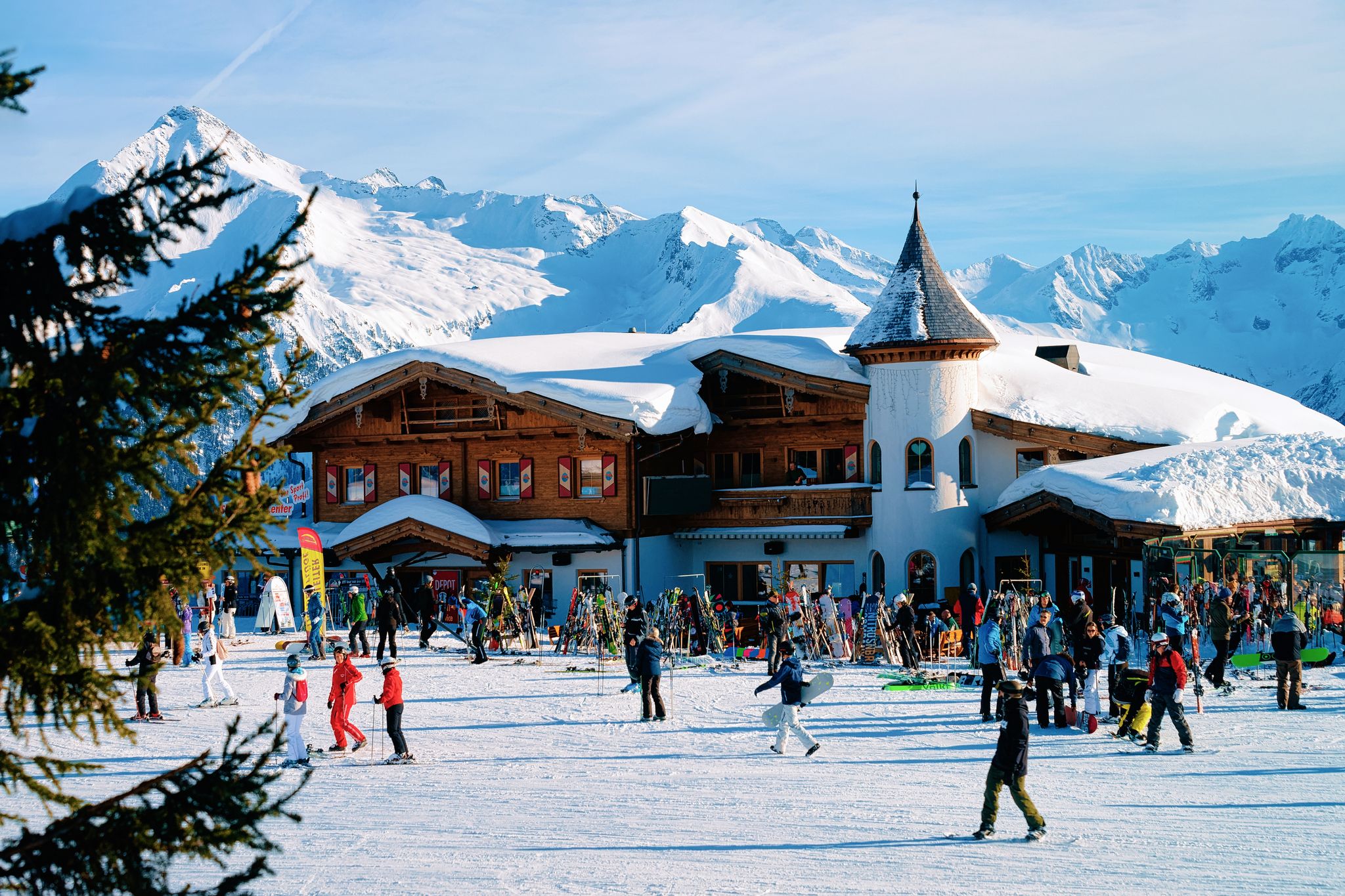
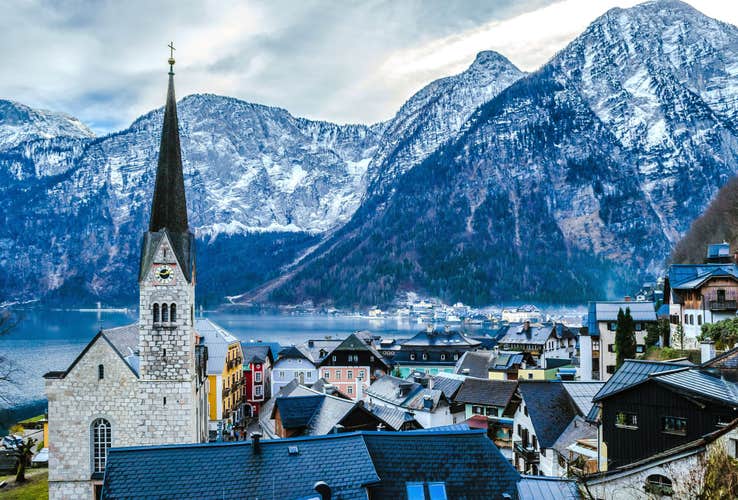
February is the heart of winter in the Alps, and visiting during this time means experiencing the mountains at their most reliable and scenic. Snow conditions are typically excellent, with well-groomed slopes, consistent snowfall at higher elevations, and landscapes fully transformed into a winter playground.
Renowned resorts such as St. Anton am Arlberg, Kitzbuhel, Zell am See, and Solden stand out for their long ski seasons, efficient lift systems, and lively après-ski scenes. These destinations are well-suited for both first-time visitors and seasoned skiers planning Austrian ski trips, with a wide range of terrain and facilities.

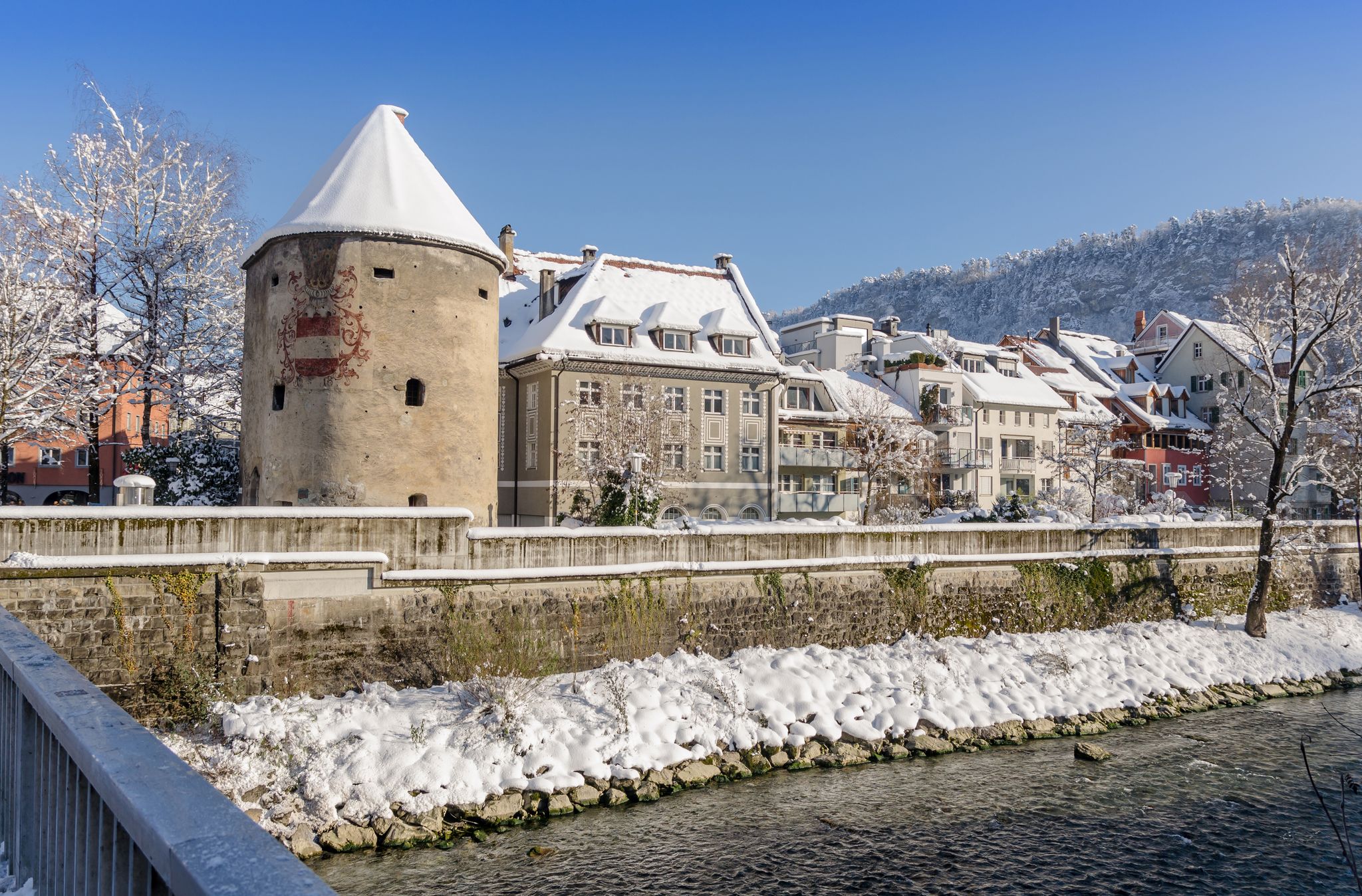
For travelers looking for structured experiences, multi-day options such as a 6-day ski trip to Seefeld or a 4-day ski trip to Schladming offer a balanced mix of skiing, accommodation, and easy access to the slopes. These trips work especially well in February, when snow reliability is high, and resort infrastructure is fully operational.
While February delivers some of the best conditions of the season and is often considered one of the best times to visit the Austrian Alps, it also coincides with higher prices and busier periods during European school holidays.
Festivals and Events in Austria in February

Austria in February is also a time of lively festivals and unique cultural events. The month is filled with experiences highlighting the country’s rich heritage and winter spirit, from grand ballroom galas in Vienna to centuries-old traditions. Whether you’re after music, art, or folklore, there’s an event to add color to your winter itinerary.
To find current dates and schedules for these happenings, check the official Austria travel website, which lists nationwide festivities by month and region.
You can also explore concerts, festivals, and cultural events in Austria for ticket options and curated experiences across the country.
Vienna Ball Season

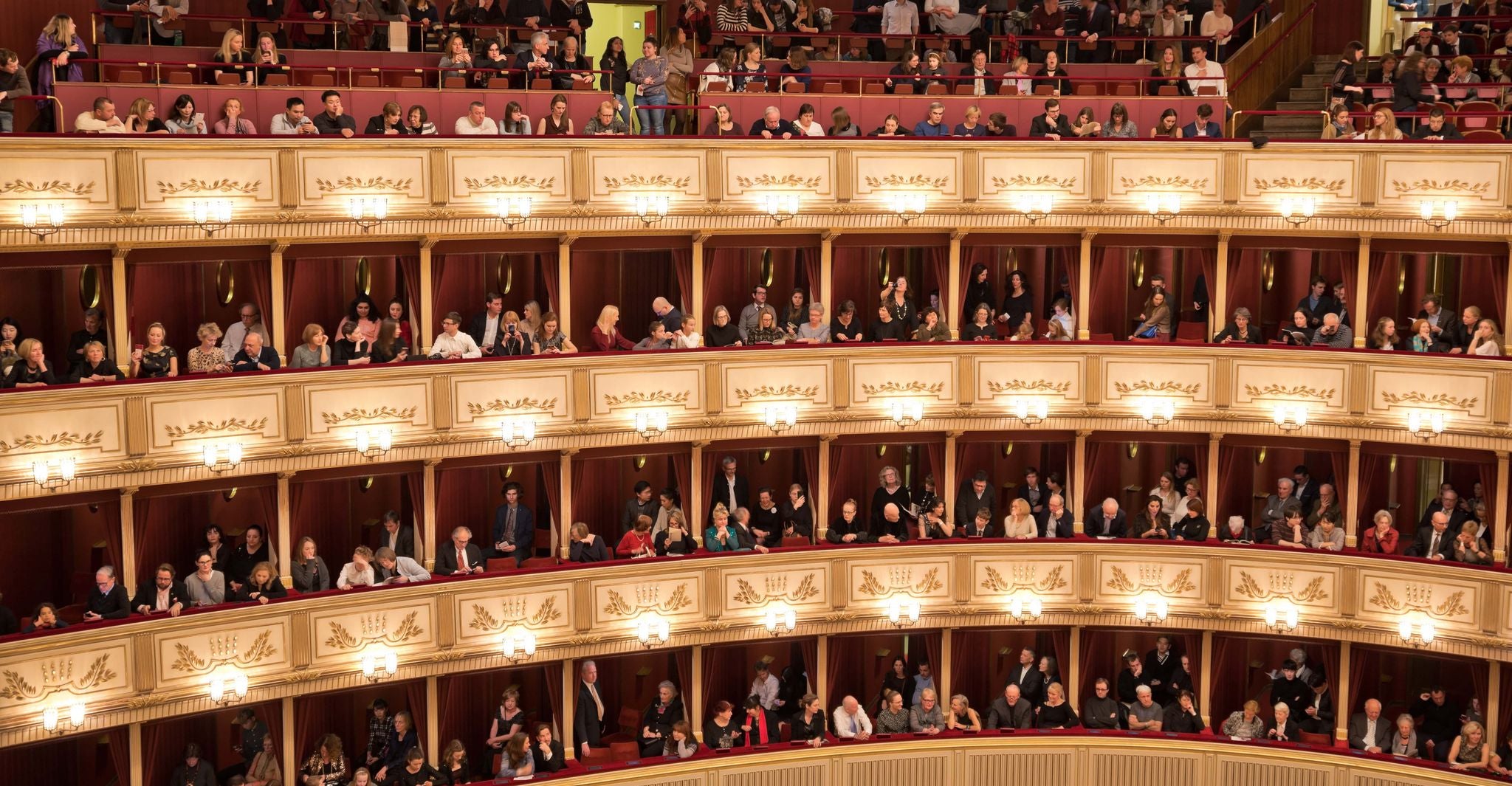
The Vienna Ball Season is one of Austria’s most iconic winter traditions, turning the city into a stage for elegance, music, and timeless glamour. Running from January to early March, the season reaches its height in February, when Vienna’s grand palaces like the Hofburg and City Hall come alive with elegant balls steeped in tradition.
These events celebrate Austria’s imperial past with live orchestras, midnight quadrilles, and traditional Viennese waltzes. Attendees dress in formal evening wear, ball gowns, and tuxedos and dance in magnificent halls that have hosted royalty for centuries.
Each ball has its theme, from opera and coffeehouse culture to professional guild celebrations. While some are invite-only, many are open to the public with advance ticket booking. If you’re dancing or simply soaking in the grandeur, the Vienna Ball Season is an unforgettable way to experience Austrian culture in February.
Celebrate Fasching (Carnival)


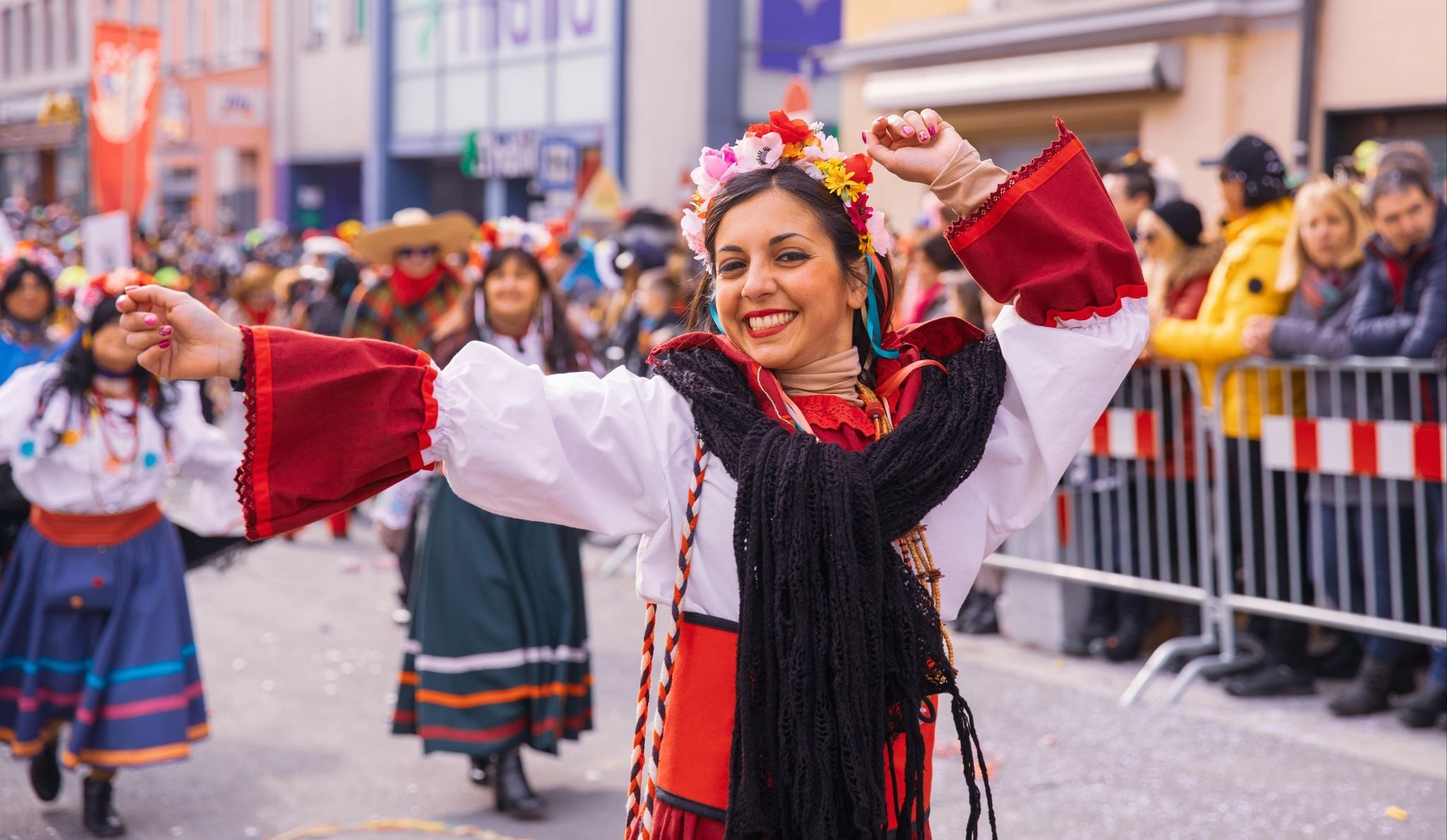
Fasching is Austria’s version of Carnival and one of the most spirited traditions you can experience in February. This festive season features street parades, costumes, and plenty of music and dancing. Towns across Austria, especially in regions like Tyrol and Carinthia, come alive with celebrations that reflect local customs and a playful, mischievous spirit.
You’ll find people dressed in whimsical or traditional attire, and bakeries selling sweet seasonal treats like Krapfen, a jam-filled doughnut popular this time of the year. Some towns host children’s parades, masked balls, and open-air performances that make for a fun and immersive cultural experience.
If you're in Austria during Fasching, join the locals and embrace the festive vibe. It’s a lively contrast to the serene winter landscapes and a great way to connect with Austrian traditions beyond the ski slopes and spas.
Aperschnalzen

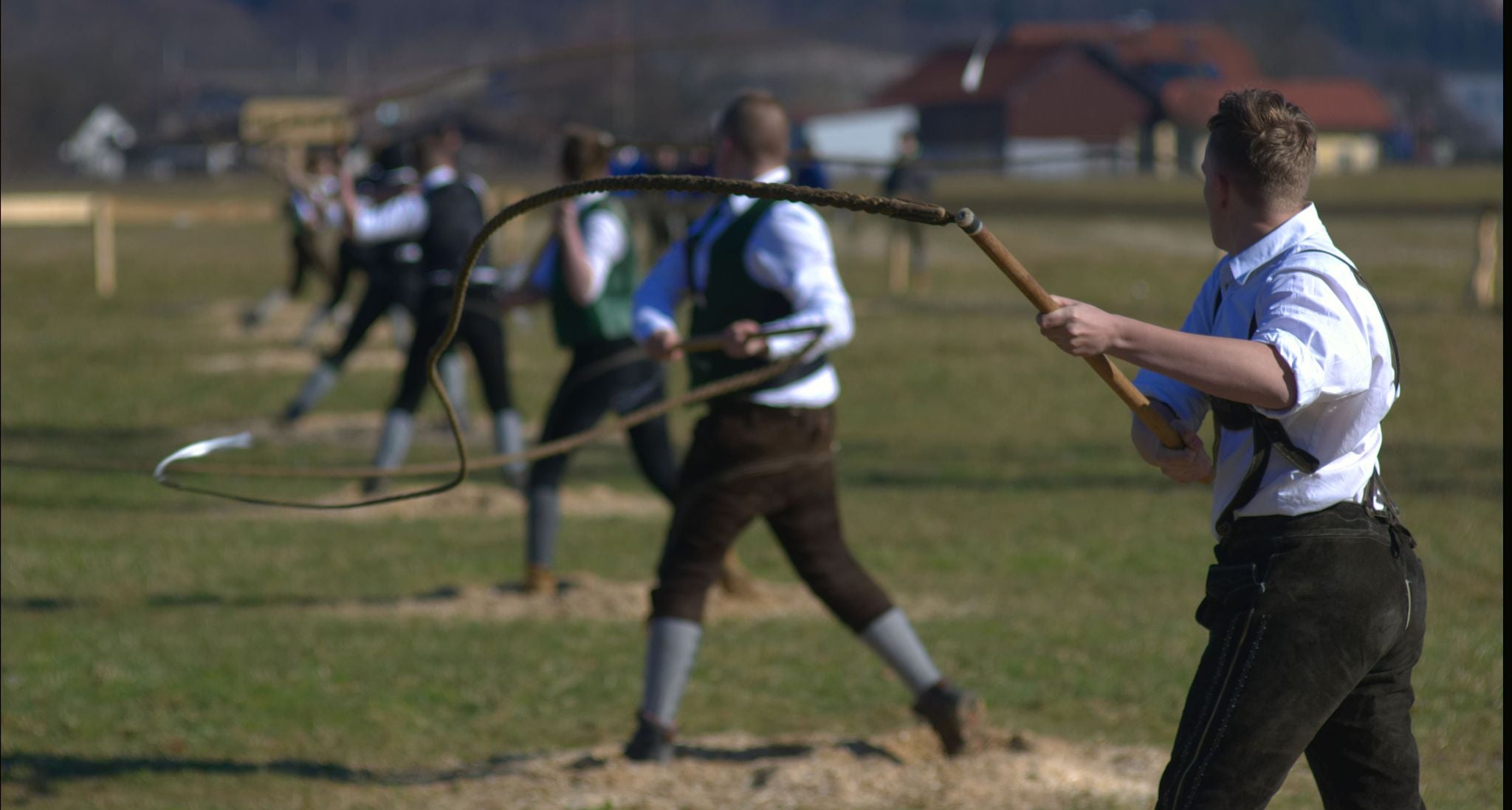
Aperschnalzen is a winter custom found in Austria’s countryside, particularly in the Salzburg region, near Bavarian communities. This custom involves groups of men called “Passen” cracking long whips in unison to drive away the cold and awaken the earth for spring. The loud cracks echo across snowy fields, creating a powerful spectacle.
The name comes from the German words “aper,” meaning snow-free, and “schnalzen,” meaning to crack a whip. While its roots are agricultural, Aperschnalzen has evolved into a lively social event that brings communities together during the coldest months. Competitions are often held between villages, judged on timing, sound, and precision.
If you’re visiting Austria in February, look for local listings in Salzburg’s surrounding towns to catch an Aperschnalzen event. It gives travelers a unique window into rural life and showcases the strong sense of cultural pride that defines Austria’s mountain communities.
What To Pack for Austria in February

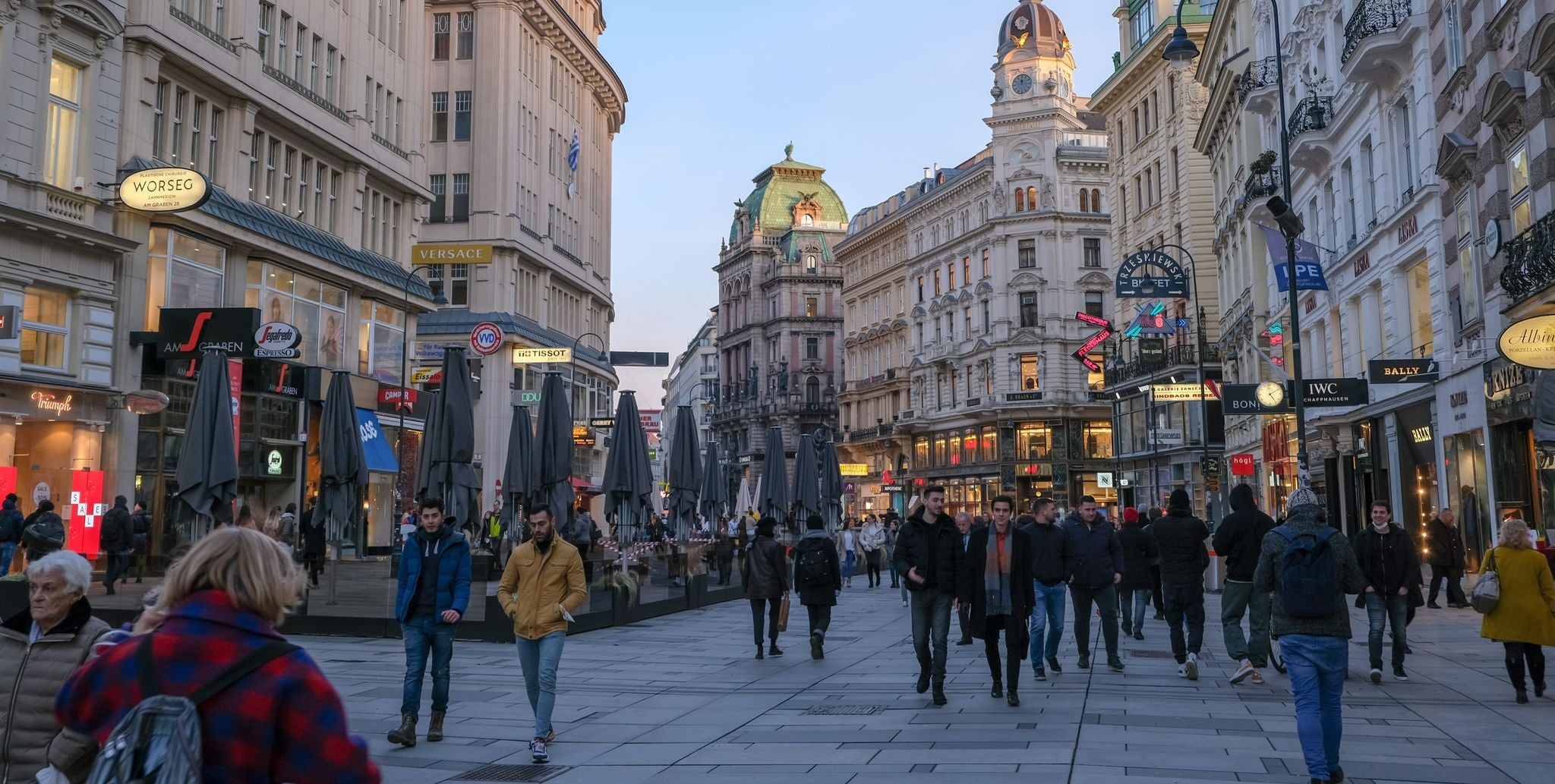
Packing for Austria in February means being prepared for cold weather, snowy conditions, and a mix of urban sightseeing and outdoor activities. Choosing versatile, warm, and weather-resistant items will help you stay comfortable whether you’re exploring cities or heading into the mountains.
Here's what to pack for Austria in February:
- Warm base layers such as thermal tops and insulated leggings
- Waterproof winter coat or insulated parka
- Wool sweaters or fleece mid-layers
- Waterproof snow boots with good grip for icy streets
- Thick socks, insulated gloves, a knit hat, and a scarf
- Casual, layer-friendly outfits for city sightseeing
- Ski clothing and accessories if planning winter sports (or plan to rent locally)
- Swimsuit for thermal spa visits
- Supportive walking shoes with good traction
- Hand and foot warmers for long days outdoors
- Moisturizing lotion and lip balm for cold, dry weather
- Power bank, as cold temperatures drain phone batteries faster
- Small daypack and reusable water bottle for daily outings
Are You Ready To Explore Austria in February?

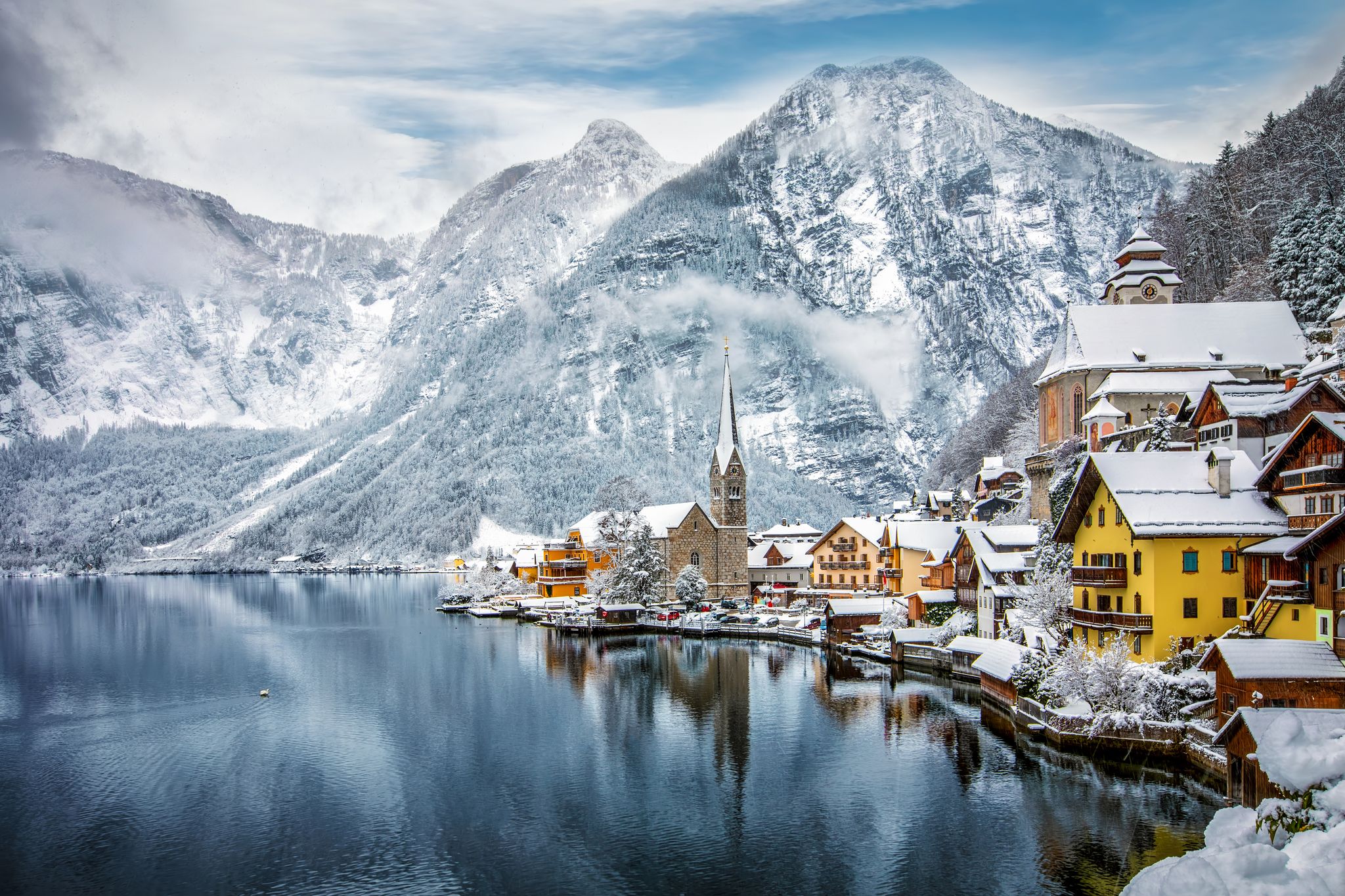
Visiting Austria in February feels like stepping into a winter postcard, where snow-covered Alpine landscapes, elegant cities, and seasonal traditions come together. From lively ski resorts to atmospheric old towns, February offers a distinctive mix of outdoor adventure and cultural charm.
This month is often considered one of the best times to visit Austria for travelers who enjoy winter sports, classical music, and relaxed sightseeing. Ski season is in full swing in the Alps, while cities like Vienna and Salzburg shine with concerts, winter cuisine, and fewer crowds than peak summer months.
February also strikes a balance between activity and comfort, with opportunities to ski, unwind in thermal spas, enjoy local food, or explore museums and historic landmarks at a slower pace. Whether you’re planning a city break or an alpine escape, the variety of experiences makes winter travel especially rewarding.
With thoughtful planning and the right preparation for cold weather, Austria in February can become a memorable winter getaway. Snowy scenery, rich culture, and seasonal highlights ensure a trip that feels both peaceful and full of character.
FAQs About Austria in February
Here are some of the frequently asked questions about visiting Austria in February.
What is the weather like in Austria in February?
February is firmly winter in Austria, with cold temperatures throughout the country. Cities typically see daytime temperatures around 30 F to 39 F (−1 C to 4 C), with occasional snowfall, while alpine regions are colder at about 18 F to 36 F (−8 C to 2 C) and offer consistent snow coverage. Weather conditions vary by region, so planning activities based on your destination is essential for a comfortable winter trip.
Does it snow everywhere in Austria in February?
Snow is most reliable in the Alps during February in Austria, where ski resorts operate at peak season. In cities such as Vienna and Salzburg, snowfall is less predictable and may alternate with dry, cold days or light rain.
Is Austria crowded in February?
Crowd levels in February depend largely on where you travel. Ski resorts are busiest during European school holidays, while cities are generally quieter and more relaxed, making this a good time for sightseeing. To avoid lines at popular attractions, securing entry tickets and passes in Austria in advance is recommended, including museum tickets and sightseeing passes, which help streamline visits. For families traveling with children, visiting Austrian zoos is an enjoyable winter activity, and booking zoo tickets ahead of time ensures easy access during peak hours.
Is February an expensive time to visit Austria?
Prices are generally higher in alpine regions due to peak ski season, while city travel can be more affordable compared to summer. Travelers who book early and avoid peak holiday weeks often find better value for accommodations and transport.
What are the best things to do in Austria in February?
Skiing and snow sports, classical music concerts, winter cuisine, spa visits, scenic train journeys, ice skating, and cultural sightseeing are all popular experiences in Austria in February. The mix of outdoor activities and indoor attractions makes winter travel rewarding, allowing visitors to enjoy the season comfortably while adapting to colder conditions.
Are attractions and tours open in Austria in February?
Most major attractions, museums, and tours operate year-round. Some outdoor sites may have shorter opening hours in winter, and mountain activities depend on weather conditions, so checking schedules in advance is recommended.
What to wear Austria in February?
Packing for February in Austria means preparing for cold weather. Warm layers, a winter coat, waterproof shoes with good grip, and cold-weather accessories are essential. Travelers planning ski trips or spa visits should pack accordingly or arrange rentals locally.