






Plan your trip to Croatia in December with a practical overview of the weather, Christmas traditions, and the best places to visit during the winter season. This guide also covers seasonal events, crowd levels, costs, and helpful travel tips. Continue reading to learn what to expect when visiting Croatia in December.
Croatia is best known for its Adriatic coastline, historic towns, and long-standing traditions, and December offers a quieter way to experience them. Many travelers focus on sightseeing, culture, and seasonal events, making it a good time to explore the best-value tours and experiences in Croatia without the pace of peak season.
Travel planning is often more flexible in winter. Affordable Croatia travel packages are easier to find, and flights to Croatia tend to be more reasonably priced. With fewer visitors, accommodations and transport options are generally less in demand.
December suits a slower style of travel. Scenic road trips in Croatia are still possible, and cities like Zagreb, Split, and Dubrovnik work well for short Croatia city breaks. Visiting at this time of year offers a clearer sense of daily life, seasonal traditions, and how the country feels outside the busy summer months.
Why Visit Croatia in December

December shifts the focus of travel in Croatia away from beaches and toward daily life, culture, and seasonal traditions. Visiting at this time offers a different perspective on the country compared to the busier summer months, often seen as the best time to visit Croatia, when tourism is largely focused on the coast.
Cities play a larger role in winter travel, with noticeably lighter crowds in historic centers, museums, cafes, and public spaces. Inland destinations highlight Croatia’s seasonal experiences and Christmas activities, while coastal towns feel more spacious and easier to explore at a steady pace.
December also allows for a more flexible style of travel. With fewer people competing for attractions and transport, plans are easier to adjust around weather and local events, supporting a more relaxed approach to short Croatian getaways and sightseeing in Croatia.
Weather in Croatia in December

The weather in Croatia in December varies by region, but conditions are generally cool and suitable for sightseeing and city travel rather than beach activities. The average temperature in Croatia in December is lower than in autumn, daylight hours are shorter, and rain is possible, especially along the coast.
- Coastal regions (Dubrovnik, Split, Zadar):
December temperatures along the Adriatic Coast typically range from 50 F to 60 F (10 C to 15 C). The sea helps keep conditions mild, though rain and occasional strong winds are common. These conditions are generally comfortable for walking tours and outdoor activities in Croatia.
- Inland regions (Zagreb and central Croatia):
Inland areas experience colder Croatia December weather, with average temperatures between 40 F and 50 F (5 C to 10 C). Rain is frequent, and light snowfall is possible, particularly later in the month, contributing to a more seasonal atmosphere.
- Mountain regions (Dinaric Alps and higher elevations):
Mountainous areas are the coldest, with temperatures often dropping below 30 F (-1 C). Snowfall is common, creating winter conditions that suit travelers interested in alpine scenery rather than general sightseeing.
Overall, Croatia in December offers mild coastal weather, cooler inland conditions, and true winter climates in the mountains. These regional differences play a key role in deciding the best places to visit in Croatia in December.
For more detailed weather updates, check the Croatia local weather service before your trip.
Best Places to Visit in Croatia in December

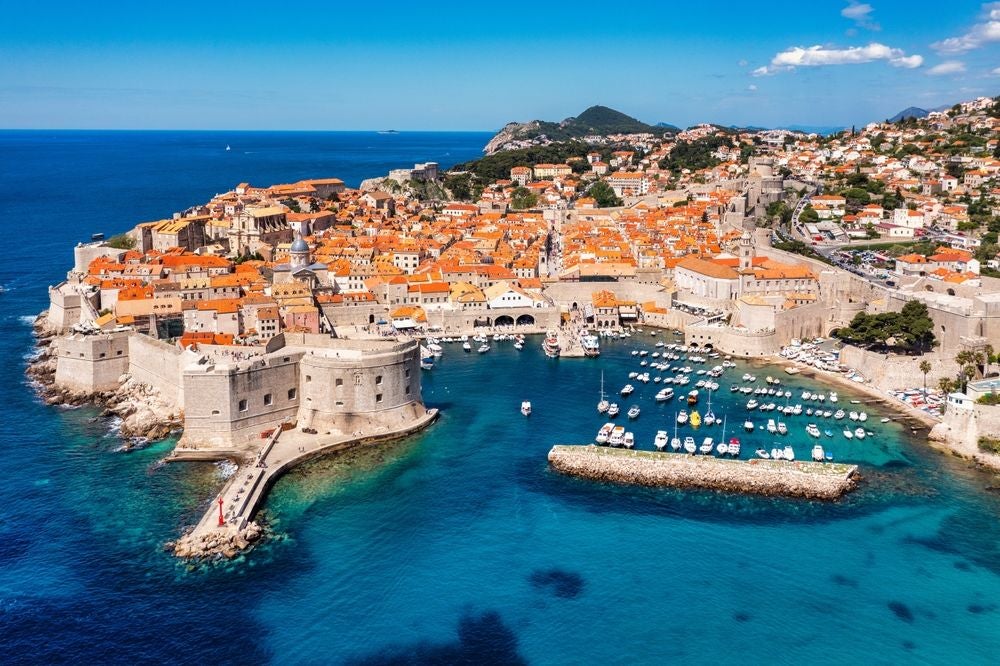
December is better suited to city travel than coastal resorts. The best cities to visit in Croatia at this time offer historic centers, seasonal events, and a calmer atmosphere during the winter months.
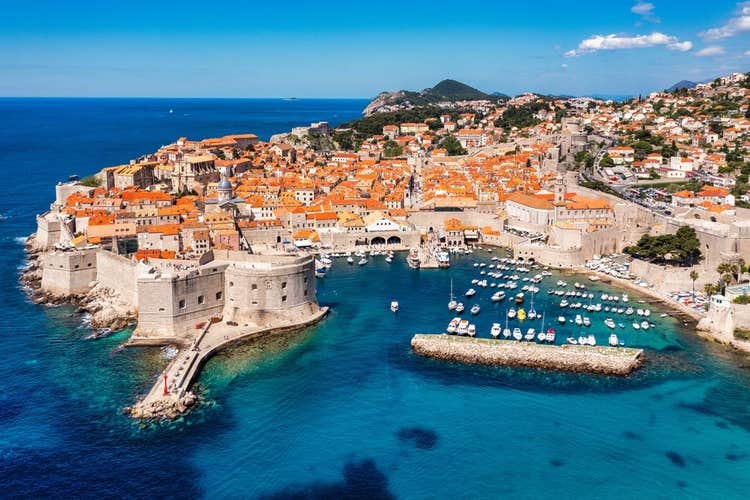
Dubrovnik in December

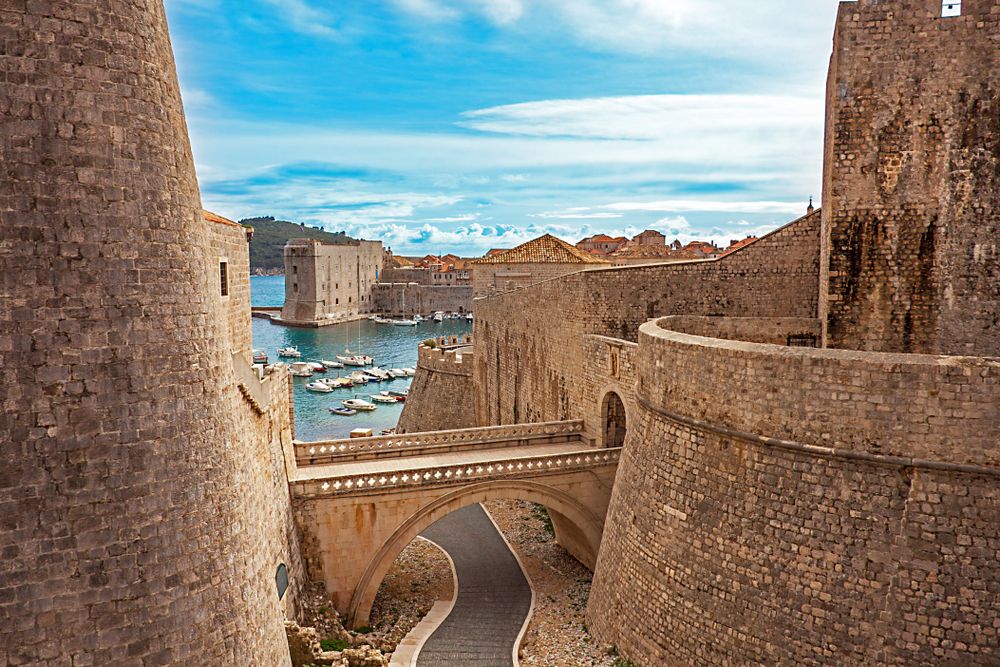
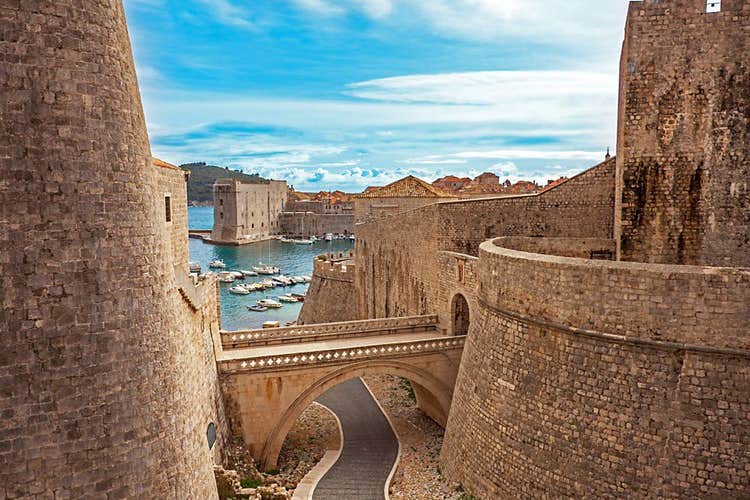
Dubrovnik remains one of the most visited cities in Croatia year-round, and December offers a more measured way to explore it. Cooler temperatures and fewer visitors make walking the Old Town and city walls more comfortable, while seasonal events add festive touches across the historic center.
Many of the main attractions in Dubrovnik remain open during December, allowing visitors to explore museums, churches, and public spaces at a slower pace. The range of things to do in Dubrovnik is more focused on sightseeing and culture rather than summer activities.
A smaller selection of Dubrovnik tours and activities continues through winter, and lower demand often makes vacations in Dubrovnik easier to plan, particularly for travelers interested in history, architecture, and local atmosphere.
Split in December

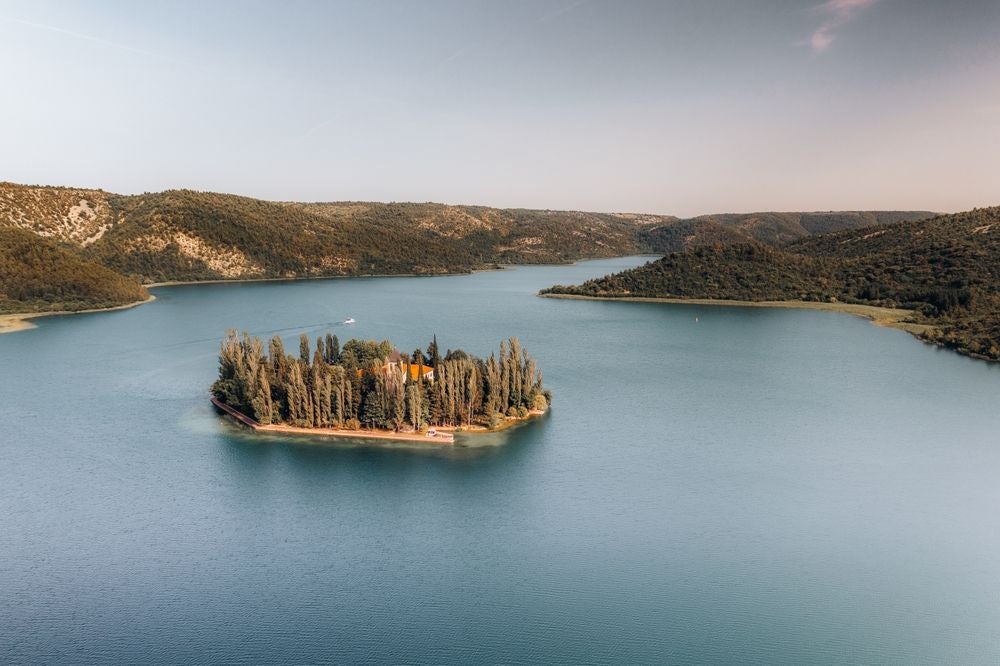
Split in December feels more lived-in than seasonal, with daily routines continuing inside and around Diocletian’s Palace. The old town stays active, and cooler temperatures are better suited to exploring narrow streets, historic squares, and the waterfront without the intensity of summer heat.
Winter highlights in Split focus on urban experiences. Many things to do in Split are centered on museums, galleries, and local neighborhoods, while several of Split’s attractions remain open throughout the month. The city also hosts seasonal events and smaller markets.
While activity levels are lower than in summer, a limited range of tours in Split still operates in December. Combined with more flexible travel packages in Split, this makes the city a practical base for winter sightseeing and short stays along the Dalmatian Coast.
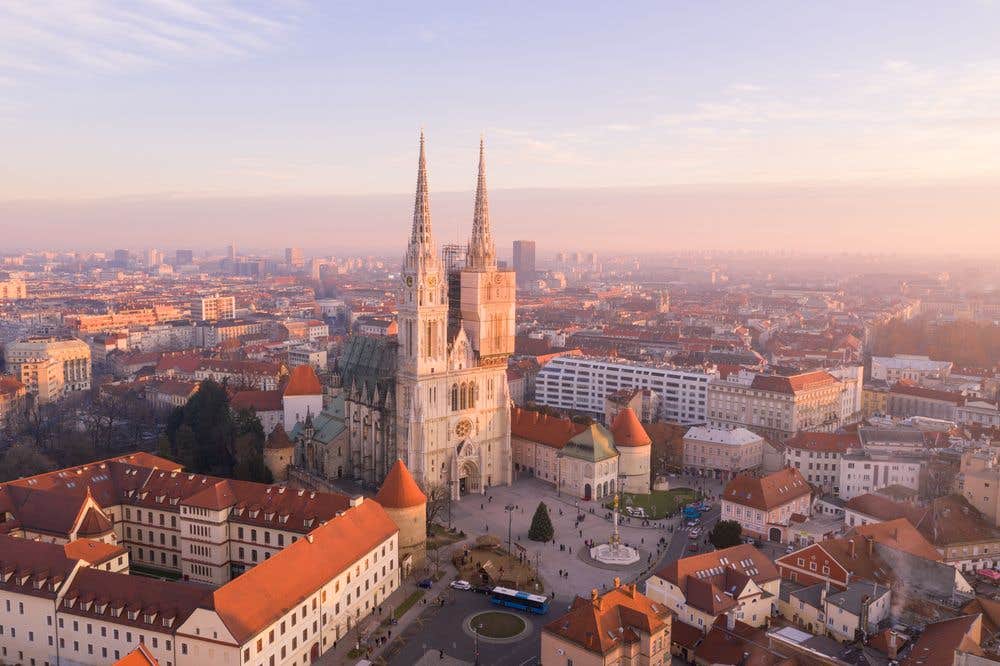
Zagreb in December

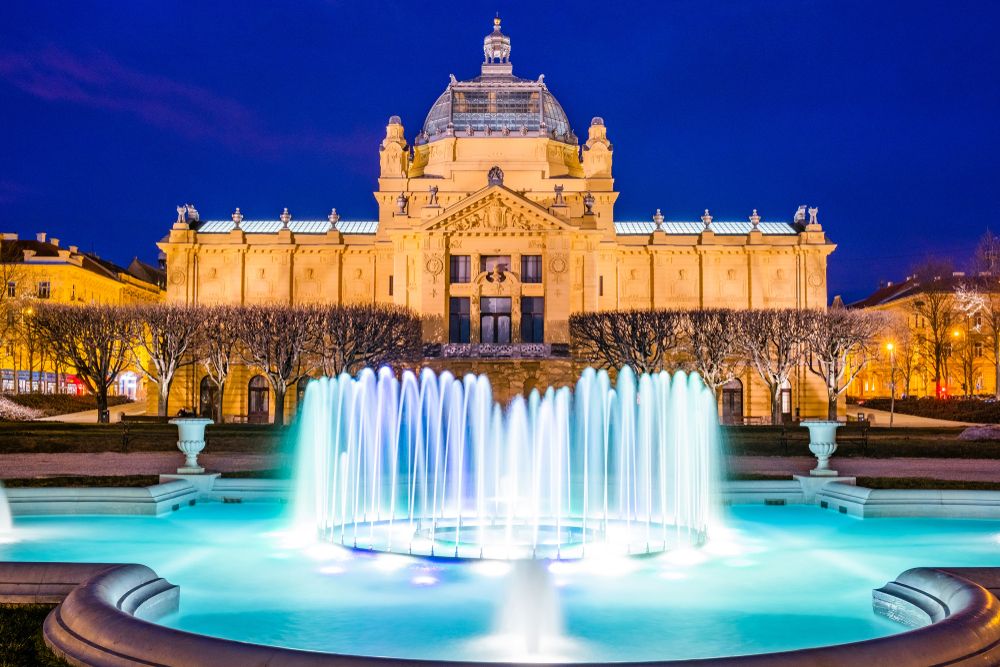
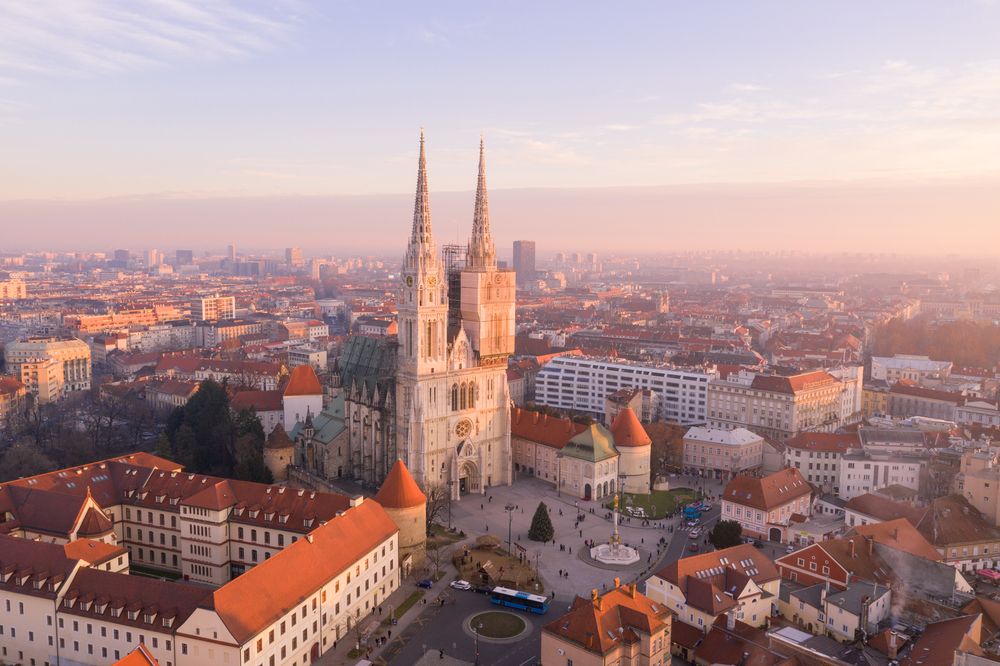
Zagreb is at its most seasonal in December, with winter weather setting the scene for public events, decorated squares, and a strong local atmosphere. As the capital, it offers a clear contrast to coastal cities, with daily life continuing alongside holiday traditions.
Many things to do in Zagreb are focused on museums, historic neighborhoods, and public events spread across the city center. Those interested in history often choose Zagreb’s cultural tours . December also brings a range of holiday tours in Zagreb centered on seasonal traditions and festive locations.
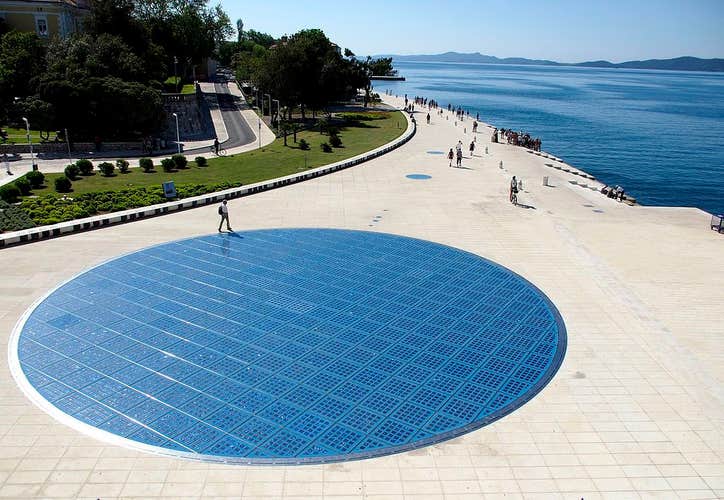
Zadar in December

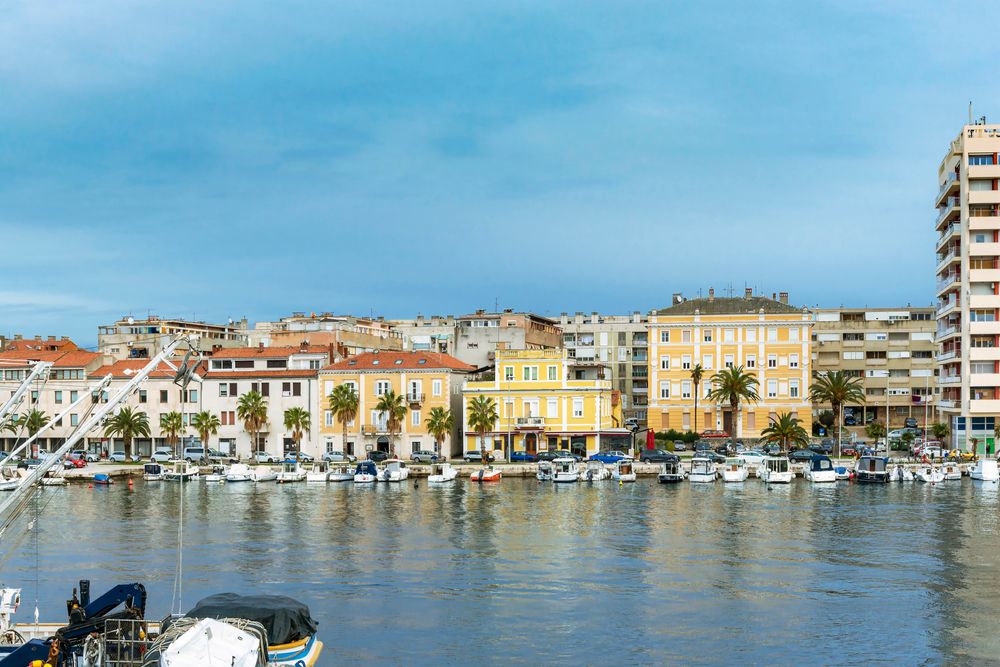
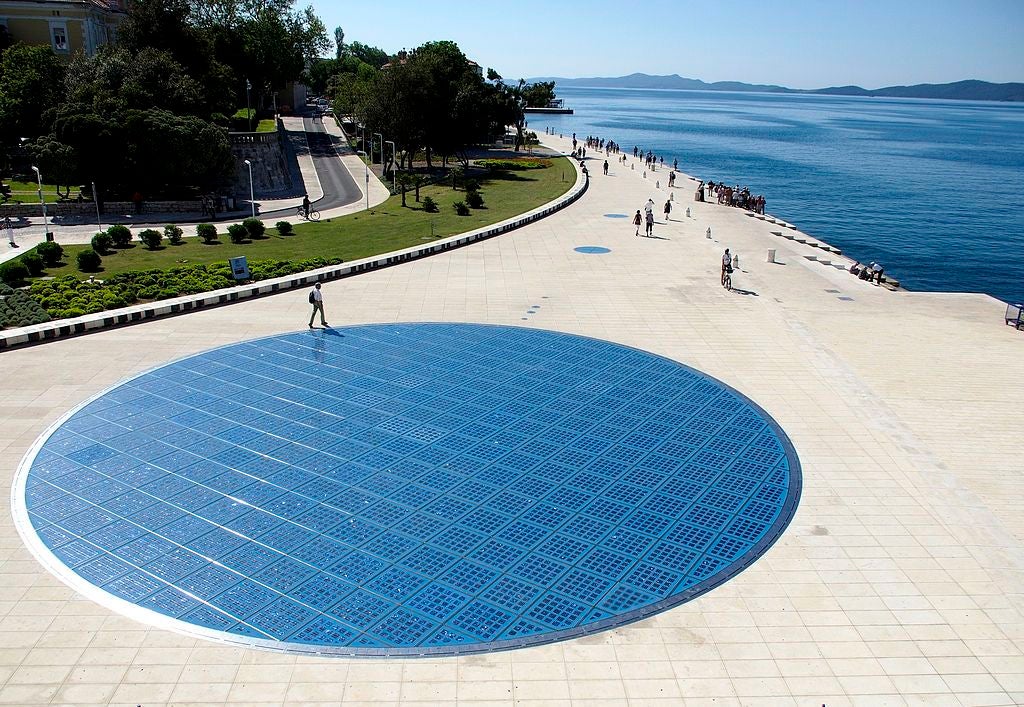
Zadar in December offers a slower, more local atmosphere shaped by daily life rather than seasonal tourism. Cooler temperatures make it comfortable to explore the compact old town, where Roman ruins, medieval churches, and historic squares remain easy to visit.
Many things to do in Zadar center on sightseeing and culture, including walks along the waterfront and visits to museums and galleries. While activity levels are lower than in summer, a selection of Zadar tours and activities continues in December.
Best Things to Do in Croatia in December

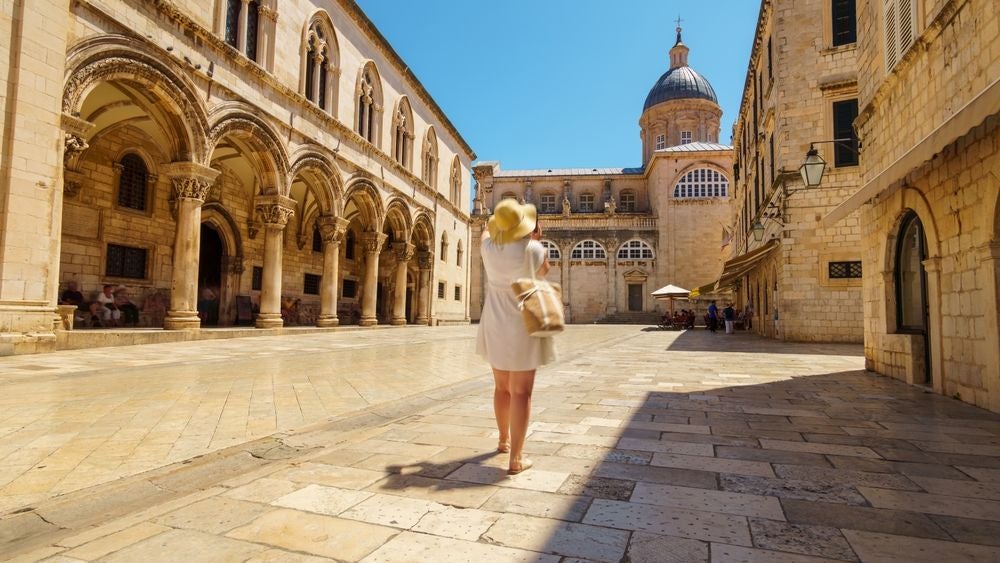
December highlights a quieter side of the country, with fewer visitors, seasonal events, and comfortable conditions for sightseeing. These top things to do in Croatia focus on experiences that remain accessible and rewarding during the winter months.
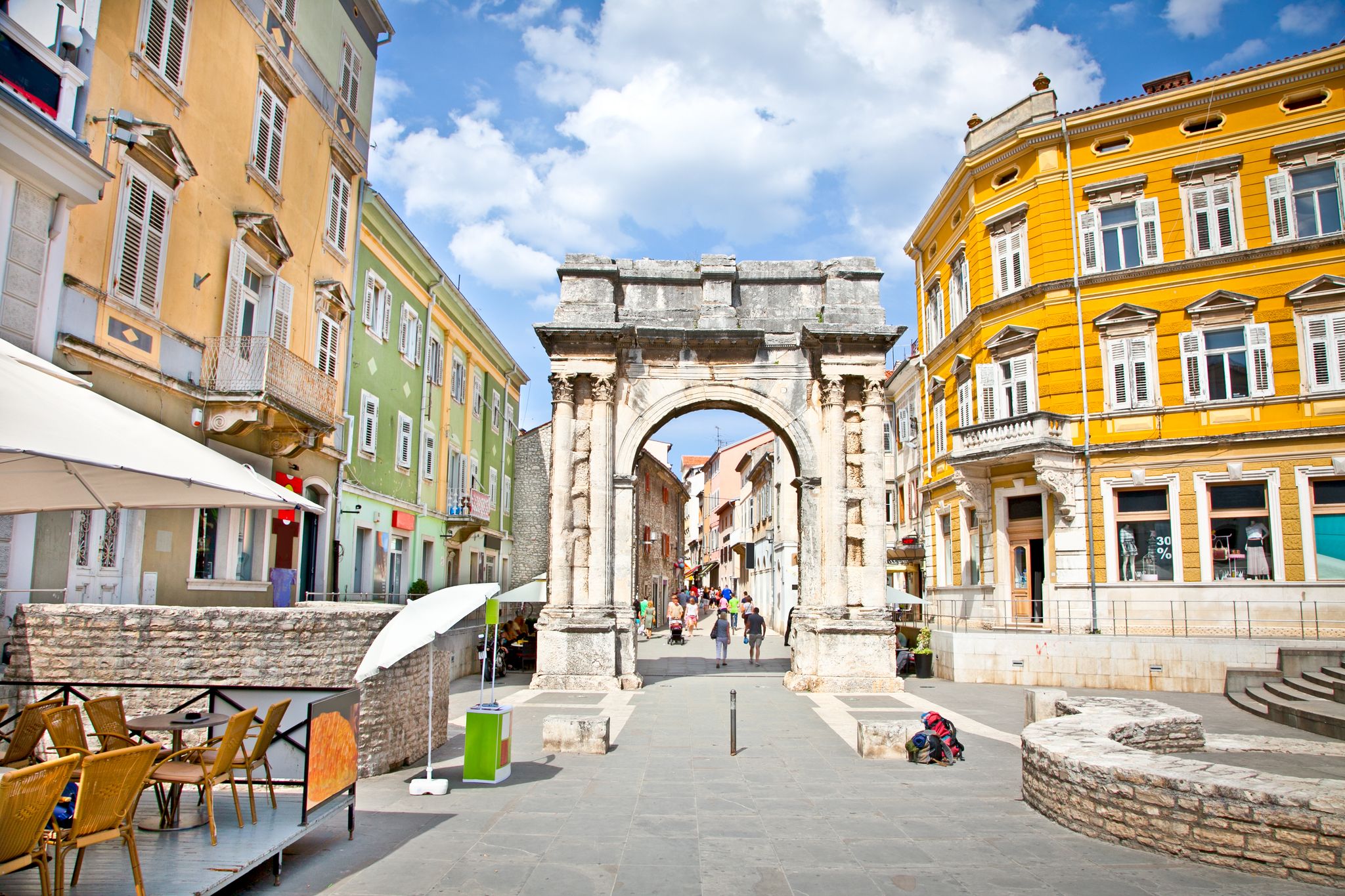
- Explore the Pula Arena: Pula’s amphitheater and Roman landmarks remain open year-round and are easier to explore without summer crowds.
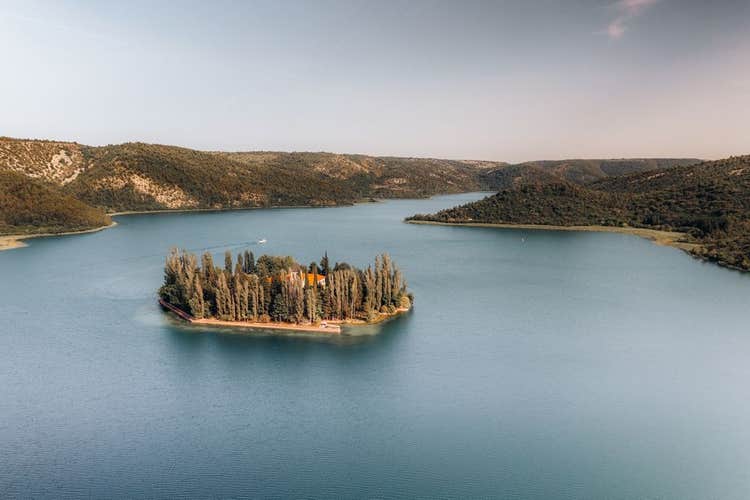
- See the Waterfalls of Krka National Park: Higher water levels in winter make the waterfalls particularly impressive, even though swimming is not permitted.
- Enjoy Rovinj in the off-season: The old town feels peaceful in December, offering a local atmosphere with subtle festive touches.
- Explore Zadar’s historic center: Museums, Roman ruins, and the waterfront are easy to explore year-round, with a calmer winter pace.
- Visit Dubrovnik’s Old Town and City Walls: Cooler temperatures and fewer visitors make December a comfortable time to explore the historic center.
- Visit Split and the famous Diocletian’s Palace: The palace complex stays lively year-round, with cafes, shops, and seasonal markets in December.
- Explore Plitvice Lakes National Park: Winter conditions can add snow and mist to the lakes and waterfalls, creating a distinctly seasonal landscape.
- Experience Istria’s wine and food scene: Winter is ideal for local wines, olive oils, and seasonal truffle dishes served in traditional konobas or wine cellars.
- Experience Zagreb’s Christmas Markets: December brings seasonal events, decorated squares, and open-air markets across the city, especially in the historic center.
Best Places To Stay in Croatia
In December, accommodation in Croatia is best chosen with winter travel in mind. Cities and regional hubs offer the most reliable options, with hotels, apartments, and guesthouses in Croatia operating year-round. Where you stay can shape your experience, from access to seasonal events to ease of getting around during the winter months.
Zagreb: Best for Christmas Atmosphere and Urban Travel

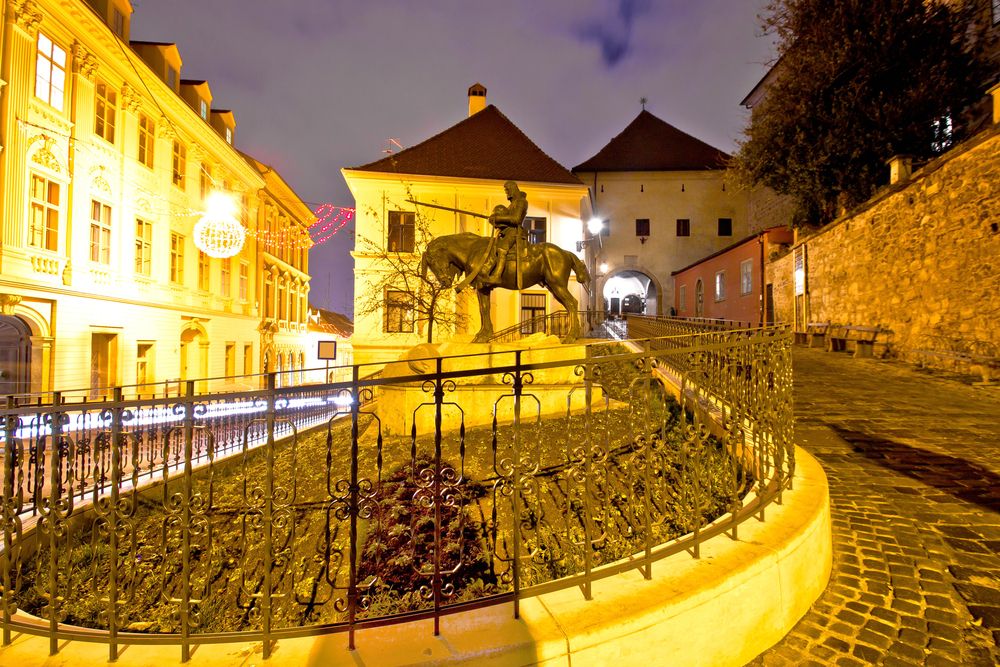
Zagreb is widely regarded as one of the best winter city destinations in Croatia. With extensive Christmas markets, seasonal events, museums, and walkable districts, it suits travelers focused on culture and festive atmosphere. Zagreb stays range from centrally located hotels to apartments and guesthouses, with a broad selection available year-round.
Recommended accommodations in Zagreb:
- Zonar Zagreb – A modern 4-star hotel with comfortable rooms, wellness facilities, and good access to the city center.
- Rooms At Zajceva 34 – A well-rated guesthouse in a quieter area, offering private kitchens and a more residential feel.
- Hostel Bureau – A centrally located budget option with private rooms and dorms, ideal for short city stays.
Dubrovnik: Best for History and Coastal Sightseeing

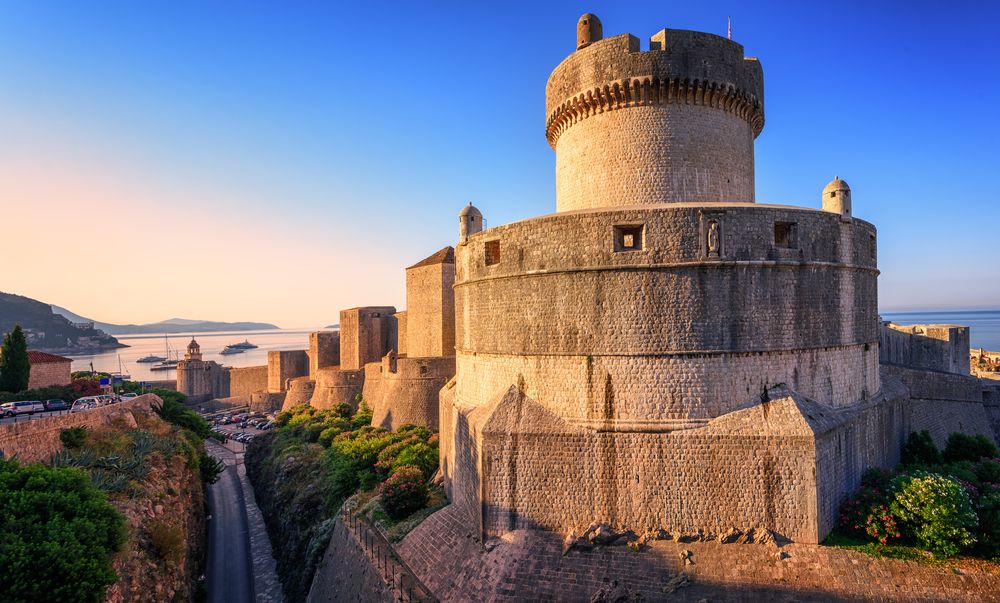
Accommodations in Dubrovnik provide a winter-friendly base for exploring the UNESCO heritage and city walls with fewer crowds. Most hotels and guesthouses remain open, and the compact old town makes it easy to sightsee on foot even in cooler weather.
Recommended accommodations in Dubrovnik:
- Hotel Royal Neptun – A 4-star hotel with sea views and wellness facilities, located outside the Old Town for a quieter stay.
- Dubrovnik Luxury Residence – L’Orangerie – Apartment-style accommodation with extra space and private parking, suitable for flexible winter stays.
- Bota Palace – A small bed and breakfast inside the Old Town, offering easy access to historic streets and landmarks.
Split: Best for Historic City Stay and Dalmatian Access

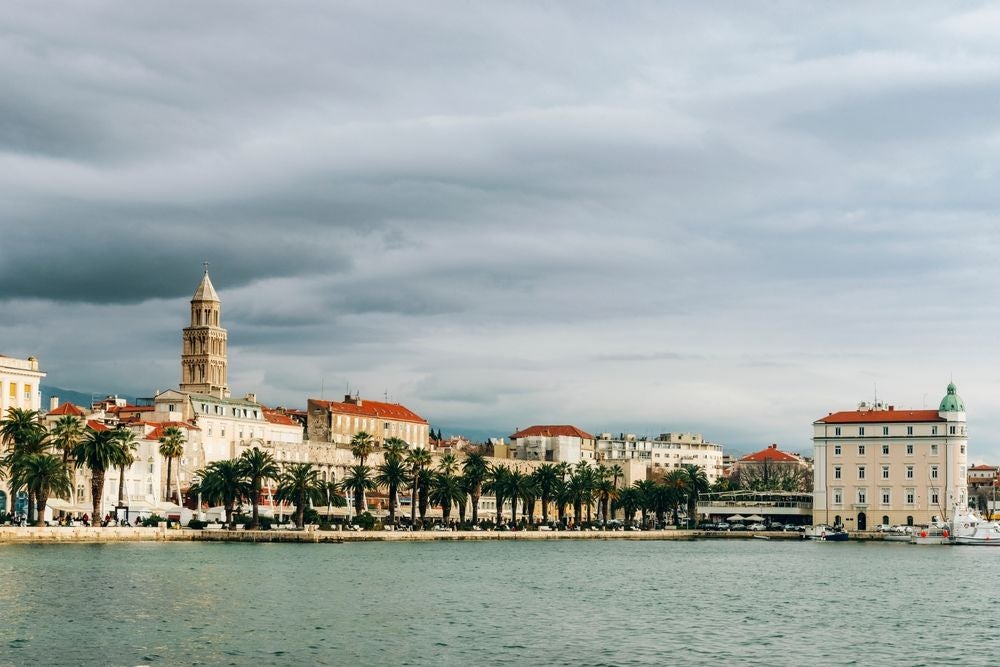
In December, plenty of accommodation options in Split are available in the city centre near Diocletian's Palace. Its urban location and transport links make it a good choice for exploring the Dalmatian coast, local museums, and markets.
Recommended accommodations in Split:
- Hotel Ambasador – A 5-star hotel near the waterfront and Diocletian’s Palace, offering modern rooms, wellness facilities, and easy access to Split’s historic center.
- Korta Apartments – Centrally located apartments with a home-style setup, suitable for travelers who prefer extra space and flexibility during a winter stay.
- Luxury Rooms Lucija And Luka – A highly rated guesthouse in the heart of the old town, ideal for travelers who want to stay close to Split’s main sights and restaurants.
Istria (Pula, Rovinj): Best for Relaxed Winter Stays

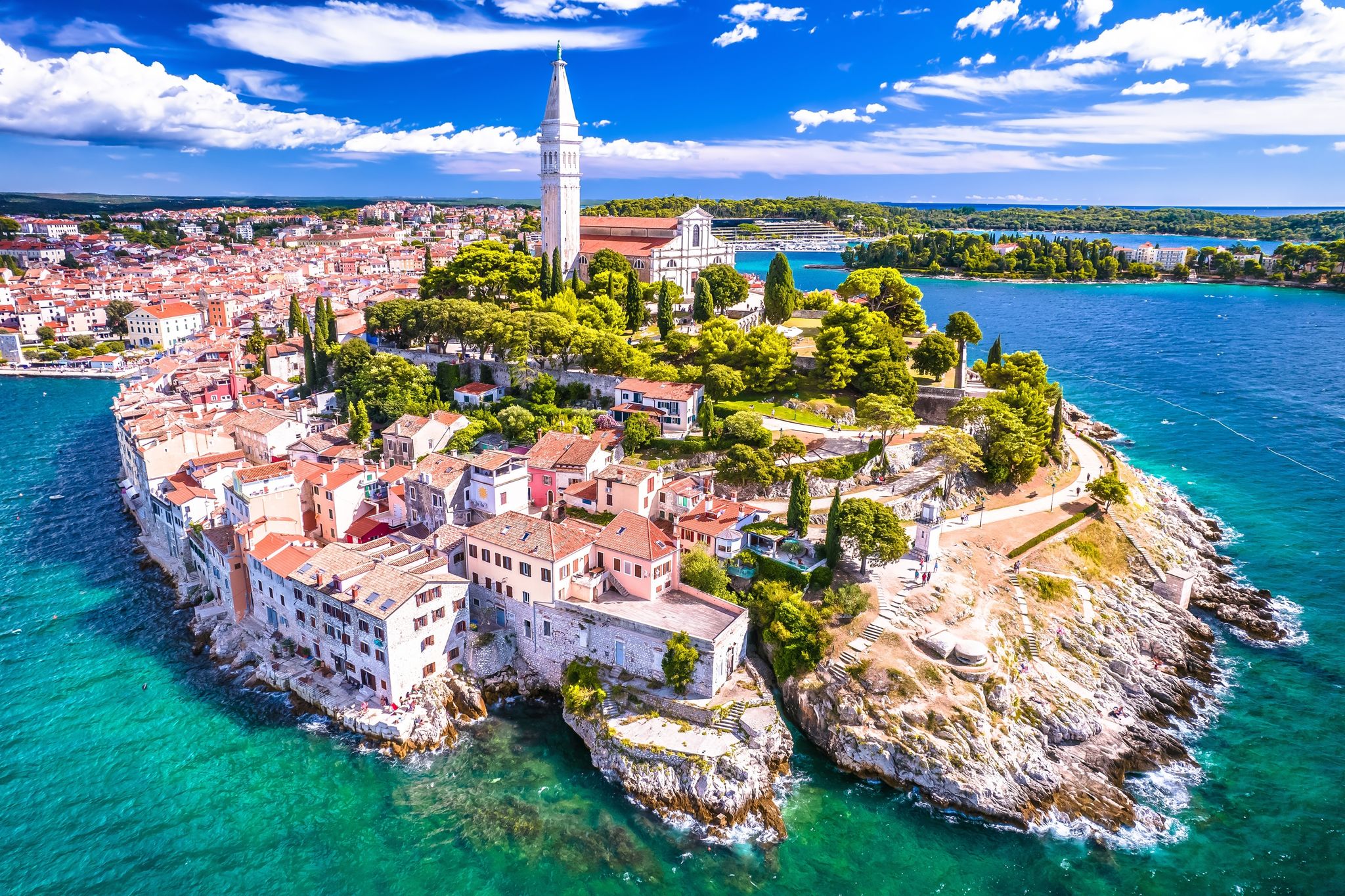
Istria’s larger towns like Pula and coastal Rovinj are suited to travelers who want a mix of historic charm, food culture (including winter truffles), and slower tourism months. Hotels in Pula and guesthouses in Rovinj are easier to book and often more affordable.
Recommended accommodations in Istria:
- Hotel Lone in Rovinj – A 5-star design hotel close to Rovinj’s old town, offering spa facilities, indoor pools, and a comfortable base for winter stays in Istria.
- Villa Pasis in Rovinj – A well-rated guesthouse with a relaxed atmosphere, private parking, and easy access to Rovinj’s historic center.
- Grand Hotel Brioni Pula, A Radisson Collection Hotel – A 5-star hotel near Pula with wellness amenities, sea views, and good access to cultural sights and coastal walks.
- Park Plaza Histria Pula – A 4-star hotel near the coast with wellness facilities and an indoor pool, offering a comfortable base close to Pula’s main sights.
Zadar: Best for Quiet Coastal Base

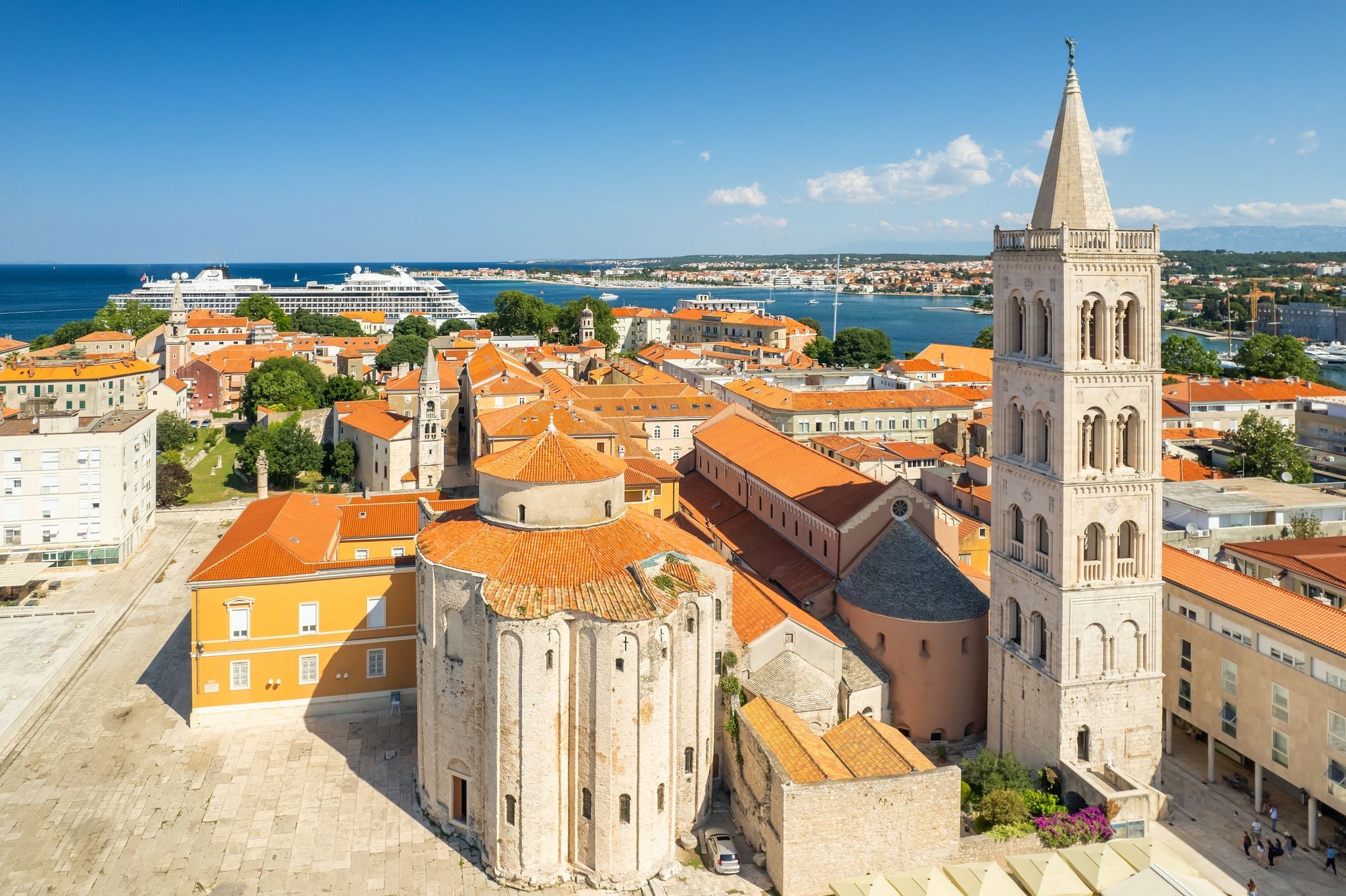
Zadar’s old town and waterfront hotels are a good fit for travelers who want seaside views without the summer crowds. Accommodations in Zadar offer easy access to historic streets and the promenade, while the city provides enough winter activity to enjoy a peaceful yet engaging stay.
Recommended accommodations in Zadar:
- Hotel A’Mare – A well-rated 3-star hotel close to the city center, offering comfortable rooms, on-site dining, and easy access to Zadar’s main sights.
- Apartments Donat – Centrally located apartments, suited to travelers who prefer self-catering accommodation within walking distance of key landmarks.
- Zoilo Rooms – A small, highly rated guesthouse in the historic center, ideal for short stays focused on sightseeing and waterfront walks.
Cost of Visiting Croatia in December

Travel costs in Croatia are generally lower in December than during the summer months, though prices can rise slightly around Christmas and New Year. It’s considered a good-value time to visit, especially outside the main holiday week.
- Accommodation:
Prices are lower than in peak season, particularly in coastal cities. Expect around 70–120 EUR (75–130 USD) per night for mid-range hotels, with budget options from 40–70 EUR ( 45–75 USD). Rates may increase between December 24 and January 1.
- Flights:
Flights to Croatia are often more affordable in December, especially from major European cities. Return fares commonly range from 80–200 EUR (85–215 USD), though holiday travel dates can push prices higher.
- Food and Dining:
Dining costs remain consistent year-round. A casual meal typically costs 10–15 EUR (11–16 USD), while a three-course meal at a mid-range restaurant is around 20–30 EUR (22–32 USD).
- Transportation:
Public transport within cities is inexpensive, usually 1.50–2.50 EUR (1.60–2.70 USD) per ride. Intercity buses and trains are also reasonably priced, and car rentals tend to be cheaper than in summer.
- Attractions and Activities:
Entrance fees for museums and landmarks usually range from 5–15 EUR (5–16 USD). Some tours operate on a reduced schedule, but prices are often lower than in peak season.
Average Travel Budget for Croatia in December
For most travelers, Croatia in December falls into a mid-range budget category, with daily costs lower than in peak season.
- Budget travelers: around 50–80 EUR (55–85 USD) per day, including hostel or budget accommodation, public transport, and casual dining.
- Mid-range travelers: around 90–150 EUR (95–160 USD) per day, covering comfortable hotels or apartments, dining out, and a few paid attractions.
- Higher-end travelers: from 180+ EUR (195+ USD) per day, including upscale hotels, guided tours, and dining at higher-end restaurants.
Traveling during the Christmas and New Year period can increase costs slightly, especially for accommodation, but December remains one of the more affordable months to visit Croatia overall.
What to Pack for Croatia in December

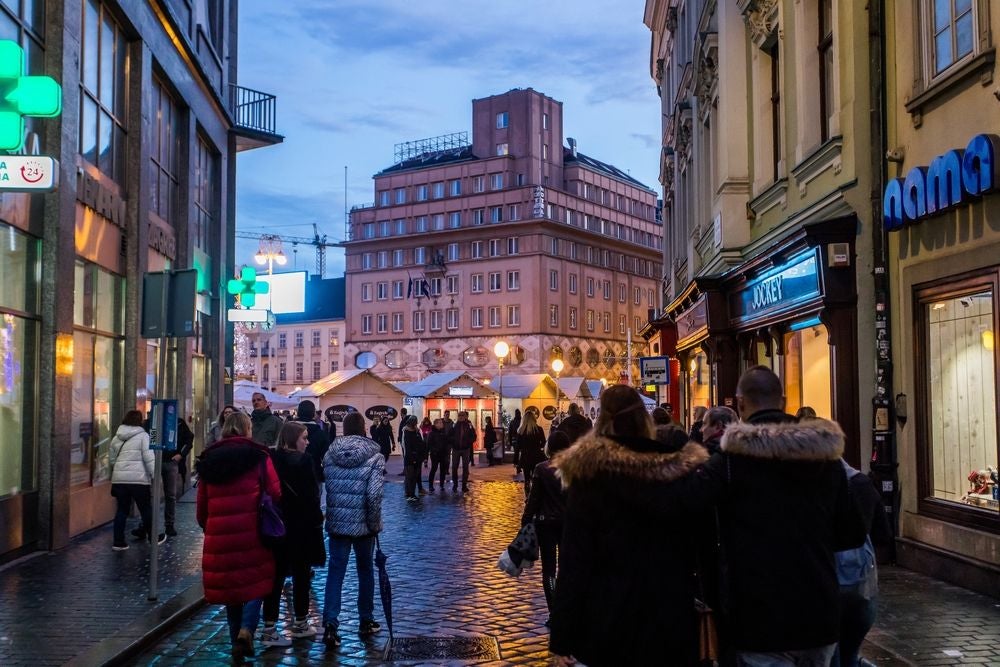
Packing for Croatia in December means preparing for cool temperatures, occasional rain, and plenty of walking, especially in cities. Weather conditions vary by region, so versatile items are key. Here’s a quick guide to help you prepare.
- Layered clothing: Sweaters, long-sleeve tops, and thermal layers that can be adjusted throughout the day.
- Warm, waterproof jacket: Essential for rain, wind, and cooler evenings, particularly along the coast.
- Comfortable walking shoes: Sturdy, waterproof shoes are best for cobblestone streets and wet conditions.
- Cold-weather accessories: A hat, scarf, gloves, and thick socks for added warmth, especially inland or at night.
- Smart-casual outfit: A neat, comfortable outfit works well for dining out, attending concerts, or visiting Christmas markets and seasonal events.
- Rain protection: An umbrella or lightweight rain jacket, as December is one of Croatia’s wetter months.
- Day bag or backpack: A small, comfortable bag is useful for daily sightseeing, carrying extra layers, water, and personal items while exploring cities on foot.
- Portable power bank: Shorter daylight hours often mean more phone use for navigation and photos.
- Travel essentials: Passport, travel documents, medications, chargers, and other personal items needed for winter travel.
- Swimwear (optional): Swimwear can be useful for hotels with spa facilities, wellness centers, or indoor pools, which are popular in winter, especially in inland areas.
Is Visiting Croatia in December Worth It?

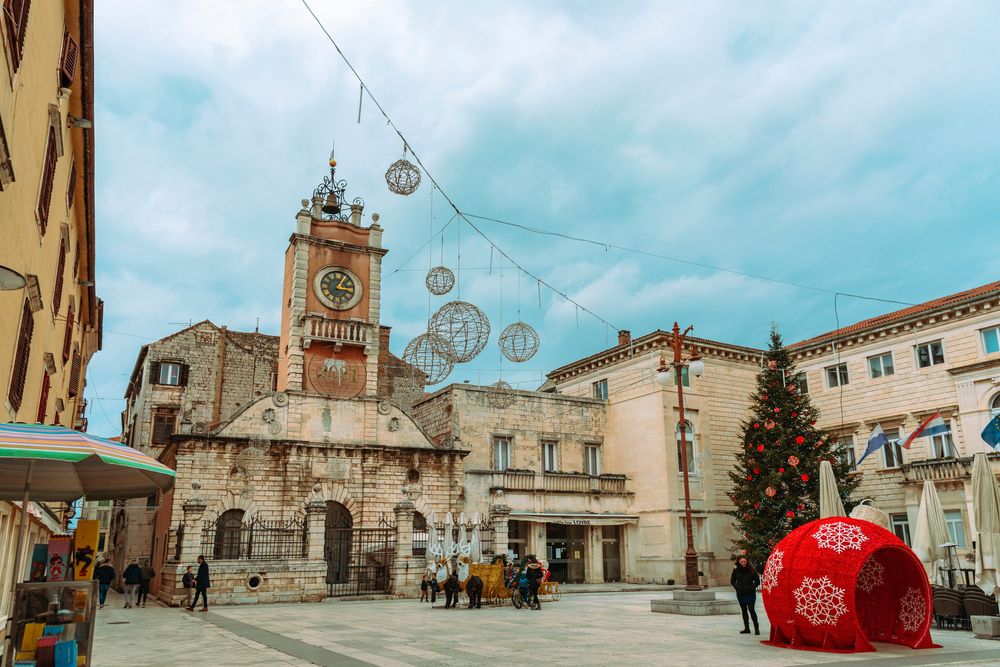
Croatia in December suits travelers who enjoy culture, seasonal traditions, and a more relaxed pace of travel. Cities remain active, museums and historic sites stay open, and winter events add structure to the experience without dominating it. For many visitors, this time of year highlights everyday life rather than peak-season tourism.
Travel is also easier to tailor to personal interests. Car rentals in Croatia allow for flexible itineraries between cities and regions. At the same time, Croatia’s multi-day tours offer guided ways to see key highlights without the need to plan each detail independently.
For travelers willing to visit outside peak season, December presents a rewarding opportunity to experience Croatia through culture, local traditions, and flexible travel.
Frequently Asked Questions

What is the weather like in Croatia in December?
The weather in Croatia in December varies by region. Coastal areas like Dubrovnik and Split have mild temperatures, ranging from 50 F to 60 F (10 C to 15 C), while inland areas like Zagreb can be cooler, with temperatures between 40 F to 50 F (5 C to 10 C). Mountainous regions often experience snow and colder temperatures below 30 F (-1 C).
Is December a good time to visit Croatia?
December is an excellent time to visit Croatia if you prefer a quieter, more relaxed experience. The tourist crowds are gone, prices are lower, and seasonal tours and experiences in Croatia enhance the festive atmosphere in cities like Zagreb and Dubrovnik, making it a magical time to explore.
Is Croatia crowded in December?
No, Croatia is generally not crowded in December, especially compared to the summer months. Visitor numbers are lower across cities and major attractions, with only a short increase around Christmas and New Year.
Is Croatia cheap in December?
Yes, December is one of the more affordable times to visit Croatia, as accommodation and flights are typically cheaper than in peak season, with only a short price increase around the holidays.
What is Croatia like at Christmas?
Croatia at Christmas is festive but traditional, shaped by Advent celebrations, Christmas markets, and family-focused customs. Cities are decorated with lights and seasonal stalls. At the same time, Christmas Eve and Christmas Day center on religious traditions, shared meals, and time spent with family, with celebrations continuing into early January.
Are there any special events or festivals in Croatia in December?
Yes, December is a festive month in Croatia, with Christmas markets, Advent events, and seasonal celebrations taking place across the country. Zagreb is especially known for its extensive Advent program, while Dubrovnik hosts a Winter Festival with concerts, lights, and holiday stalls. Many other cities and towns also organize local markets and cultural events throughout the month.
Where is the best place to go in Croatia in winter?
Zagreb is often considered the best place to visit in Croatia in winter because many attractions, museums, and seasonal events remain open throughout the season. Dubrovnik and Split are also good options, as their historic centers, major sights, and services operate year-round.
How can I get around Croatia in December?
Getting around Croatia in December is straightforward, especially in cities where buses, trams, and trains operate year-round. Walking works well in historic centers, while car rentals offer flexibility for traveling between regions, as ferry services in Croatia run less frequently in winter.
What to wear in Croatia in December?
Warm, layered clothing is best for December travel in Croatia. Pack comfortable walking shoes, a waterproof jacket, and cold-weather accessories such as a scarf and gloves. Waterproof footwear is functional for rainy days, particularly in coastal and inland areas.
Is it possible to swim in the Adriatic Sea in December?
Swimming in the Adriatic Sea in December is not recommended due to the cold water temperatures, which typically range between 50 F to 60 F (10 C to 15 C). However, you can still enjoy walks along the beach, stunning coastal scenery, and sightseeing cruises in Croatia for a memorable experience.