
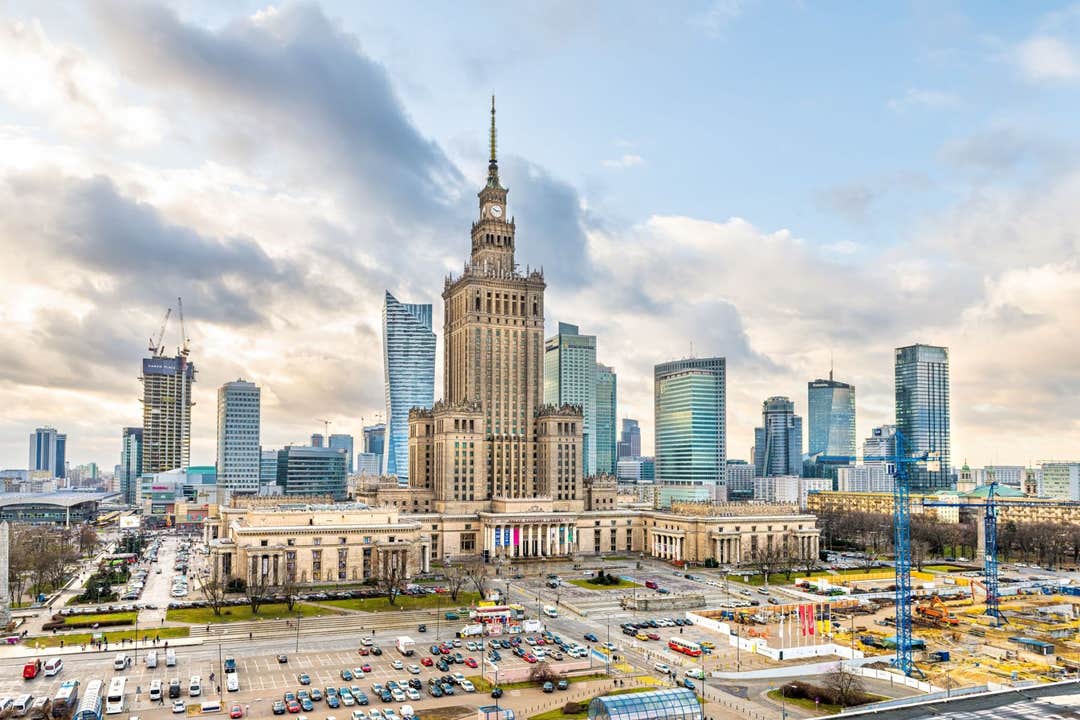


Start planning your visit to Warsaw in January! A trip during this month means embracing a deep winter experience, and the few crowds and cozy indoor attractions offer a travel opportunity that is often overlooked.
As the capital of Poland, Warsaw is a city of contrasts and historic depth. It stands as a testament to resilience, having reconstructed its UNESCO-listed Old Town after World War II. Today, the city is a hub of culture and innovation, blending centuries-old palaces with cutting-edge museums.
This guide provides everything you need to know to turn the cold into a warm travel experience. We cover practical packing advice for the chilly weather and efficient itineraries to make the most of the limited daylight hours.
By utilizing the widest selection of tours in Warsaw, you can access the city’s best indoor attractions and world-class museums. If you are seeking Warsaw travel packages or looking for the top things to do in Warsaw, this guide ensures you are prepared to discover the Polish capital's winter charm.
Why Visit Warsaw in January?

Warsaw in January is undeniably a deep winter experience. If you visit, you will encounter the coldest weather and the shortest daylight hours. However, for the discerning traveler, this atmosphere is not a deterrent but the very reason to go.
January transforms Warsaw. The lack of crowds translates directly into travel benefits. The deep winter chill thins the tourist traffic that floods the Old Town and Royal Route during the warmer months. Say goodbye to long queues and crowded rooms at popular destinations.
Warsaw in January also shines when it comes to cozy experiences. Picture yourself escaping the brisk air into a traditional milk bar, or savoring rich hot chocolate at a legendary E. Wedel cafe. The chill outside enhances the joy of a bowl of steaming beetroot soup or a mug of mulled wine.
Warsaw January Weather

To enjoy Warsaw in the cold, preparation is everything. This section provides the things you should know about the weather conditions and the essential packing advice you need to turn a potentially chilly trip into a warm, cultural success.
Warsaw January Temperature and Conditions

January is consistently the coldest month, and visitors should plan accordingly. Snow is possible, but not guaranteed. If there is no snow, the city can feel gloomy, dark, and cloudy. When snow does fall, however, the Old Town transforms into a magical scene.
Daylight Hours in Warsaw in January

The limited sunlight in Warsaw in January requires thoughtful planning. Early in January, sunrise is around 7:45, and sunset is as early as 15:34. Later in the month, sunset extends to around 16:21.
To make the most of the sun, wake up early and schedule your Warsaw sightseeing tours for the late morning to early afternoon. Save museum visits and indoor activities for the late afternoon or when it’s super cold out.
What To Pack for Warsaw in January

Your enjoyment hinges on staying warm and dry. Prioritize insulation and waterproofing when planning your Warsaw winter packing list.
- Outerwear: A heavy, windproof, and waterproof winter coat is non-negotiable.
- Layers: Think thermal base layers, a fleece or wool mid-layer, and a sweater. Layering is the most effective way to regulate body heat when moving between museums and the brisk outdoors.
- Footwear: Warm, waterproof boots with good traction are essential for navigating potential slush, ice, or snow-dusted streets.
- Accessories: Don't underestimate the cold. Pack a thick hat, warm gloves, and a scarf or neck gaiter to protect against the cold and often windy conditions.
Top 8 Things To See and Do in Warsaw in January

A January itinerary in Warsaw requires thoughtful planning to make the most of short daylight hours. Many of the city’s key sights are located along the Royal Route or within the Old Town (Stare Miasto), which gives you an efficient path through historic areas even in winter.
The Royal Route is a walking corridor that stretches about 6 miles (10 kilometers). The Old Town, now a UNESCO World Heritage Site, is the heart of historic Warsaw. The Christmas Market here usually remains open until around January 6, and the central ice rink often continues operating for the month.
With this layout in mind, the list below highlights the best attractions in Warsaw for January, along with practical details to help you enjoy both daytime and evening experiences.
8. Spend Time at the Warsaw Uprising Museum in January

The Warsaw Uprising Museum explains the 1944 uprising, when residents fought against the occupying forces during World War II. The exhibits follow the events from preparation to aftermath and use films, photographs, and recreated spaces to show what daily life was like during the occupation.
It’s an excellent choice for Warsaw in January because it’s fully indoors and easy to enjoy during cold weather or after sunset. With fewer visitors this month, you can move through the galleries at a comfortable pace and spend more time on the details. The museum also has a cafe and souvenir shop if you want a quick break.
Pair a visit to the Warsaw Uprising Museum with a World War II tour for a deeper look at the city’s past. The museum is open Monday, Wednesday, Thursday, and Friday from 8:00 to 18:00, and on weekends from 10:00 to 18:00. It’s closed on Tuesdays, as well as on January 1 and 6. Admission is free on Thursdays.
7. Browse the Fryderyk Chopin Museum in January

The Fryderyk Chopin Museum is dedicated to the life and work of Poland’s most famous composer. The exhibitions use manuscripts, letters, recordings, and interactive displays to show how Chopin lived, composed, and performed. It’s a quiet, warm indoor stop that fits well into a January itinerary in Warsaw.
There is a small shop on-site, and every Saturday and Sunday, the museum hosts 30-minute piano recitals. It is located in the Powisle district, just a short walk from the Royal Route. The museum is open Tuesday to Sunday from 10:00 to 18:00, with free admission on Wednesdays. It is closed on January 1 and January 6.
Those who miss the museum’s piano recitals can still attend a Chopin concert at the Fryderyk Concert Hall. For visitors who want to learn more about the composer, a half-day tour to Chopin’s birthplace is also available.
6. Reflect at the POLIN Museum in January

The POLIN Museum presents a broad narrative of Jewish life in Poland, starting with the first settlements and moving through cultural transformation. The core exhibition uses multimedia, reconstructed environments, and interactive elements to show how Jewish communities shaped the country’s history.
The museum works well for Warsaw in January since the exhibitions are entirely indoors, and the extensive galleries give you plenty of room to move at your own pace. There is also a restaurant and a store on-site if you want to pause between sections.
The museum is open Monday and Wednesday through Friday from 10:00 to 18:00, on Saturday from 10:00 to 20:00, and on Sunday from 10:00 to 18:00. It is closed on Tuesdays, as well as on January 1 and January 6. Admission is free on Thursdays, and audio guides are included in the POLIN ticket.
The museum is located in the Muranow district, just north of the Old Town. It is on the site of the former Warsaw Ghetto, where Jewish residents were confined under extreme conditions. You can gain a deeper understanding by visiting the Warsaw Ghetto, the Jewish Cemetery, and the POLIN Museum in one tour.
5. Visit the Copernicus Science Centre in January

The Copernicus Science Centre in the Powisle district is one of Warsaw’s top indoor attractions, with hands-on exhibits, interactive science stations, and a planetarium focused on space and astronomy. It’s an ideal stop in Warsaw in January, letting you spend hours indoors during cold or windy weather.
There are cafes and a store if you want a break during your visit. The exhibition halls are usually open from 9:00 to 18:00 on weekdays, with longer weekend hours. The center is closed on January 1 and 13. The planetarium has its own schedule and offers shows, with evening screenings from Thursday to Saturday.
4. Admire the Royal Castle (King's Castle) in January

The Royal Castle stands at the entrance to the Old Town and served as the residence of Polish kings and the seat of parliament. Inside, you can explore the Royal Apartments, the Parliamentary Chambers, and the Lanckoronski Gallery. The Copper-Roof Palace and the castle gardens are also part of the complex.
January works well for a visit because the winter season brings a calmer atmosphere inside the castle. You can move through the main rooms and galleries at an easy pace, and the warm interiors offer a welcome break from the cold outside.
The Royal Apartments, Parliamentary Chambers, and Lanckoronski Gallery are open Tuesday to Sunday from 10:00 to 18:00. The Copper-Roof Palace is open Wednesday, Saturday, and Sunday from 10:00 to 18:00. The Gardens are open daily from 10:00 to 18:00 in January. Entry is free on Wednesdays, with limited tickets.
You can tour the Royal Castle with a guide to enrich your experience, or take advantage of its location and take a Royal Castle and Warsaw Old Town tour. This is a valuable option for Warsaw in January, when guided routes help you make the most of the short daylight hours.
3. Enjoy Wilanow Palace & the Royal Garden of Light in January

Wilanow Palace is one of Warsaw’s most notable historic residences. In January, the palace interior is closed, but the estate is still worth visiting. Its park remains open for winter walks from 9:00 to 16:00, and the Royal Garden of Light adds evening illuminations and projected mappings that brighten the grounds.
Warsaw in January is a good time to visit because the short days make the light show especially vivid. The mappings run from 17:00 to 21:00, giving you an easy evening activity after a day of sightseeing. A cafe near the entrance is open Monday to Friday from 9:00 to 20:00 and on weekends from 10:00 to 20:00.
The palace is outside the city center and is usually reached by bus or taxi. A private tour of the Wilanow Palace and Garden can make it easier to explore and give you the chance to learn more about its history.
2. Stroll Through Lazienki Park in January

Lazienki Park is one of Warsaw’s beautiful historic parks, known for its palaces, lakes, and tree-lined paths. The main sights include the Palace on the Isle, the Amphitheatre, the Old Orangery, and the Myslewicki Palace. Even in winter, the classical buildings and quiet water views make the park a scenic place to explore.
January gives Lazienki a calm, quiet atmosphere. You can walk along the lakes, watch the resident peacocks, and enjoy open views of the architecture without warm-season crowds. The park works well as a refreshing outdoor break between indoor attractions, and its large open spaces feel peaceful on a cold winter day.
The park sits along Warsaw’s Royal Route. The gardens are open daily from 6:00 to 21:00 with free entry. The buildings are open Tuesday to Sunday, and visitors receive free admission on Fridays. Some interiors may adjust their hours or close temporarily. Historical buildings are closed on January 1 and January 6.
Because the park is large, a Lazienki Park tour is an easy way to cover more ground and learn about its top sights. If the weather in Warsaw in January works in your favor, you could elevate the experience with a Lazienki Park tour with a gondola cruise.
1. Ascend the Palace of Culture & Science (PKiN) in January

The Palace of Culture and Science is one of Warsaw’s most recognizable buildings, home to museums, theaters, galleries, and the well-known viewing terrace on the 30th floor. It sits in central Warsaw, at Plac Defilad, right next to Warsaw Central Station (Warszawa Centralna).
This spot is a nice place to visit in Warsaw in January because most attractions are indoors, and the terrace gives you wide winter views over the city. You can also take a Palace of Culture and Science tour with terrace access if you want a guided introduction to the building and its highlights.
The Palace is closed on January 1 but is open daily from 9:00 to 18:00 for the rest of the month. The viewing terrace opens on January 1 from 12:00 to 20:00, and from 10:00 to 20:00 on other days. There are restaurants, cafes, and bars inside the complex if you want a break during your visit.
Cozy Spots to Eat and Warm Up in Warsaw in January

January is one of the best times to enjoy Warsaw’s food scene. Cold weather naturally pushes you toward warm restaurants, inviting cafes, and lively indoor food halls where you can take a break from the wind and early sunset. You will easily find cozy food and drink experiences in Warsaw this month.
What Are the Top Restaurants to Try in Warsaw in January

Restaurants in Warsaw feel especially cozy in January, and it’s a great time to enjoy warm, comforting meals across the city.
For mid-range options, Stary Dom is ideal for hearty Polish dishes like steak tartare, slow-cooked beef cheek, and pierogi served in an old-world setting. Prodiz Warszawski adds a modern twist to Polish cuisine, offering veal dishes and an excellent apple jabłecznik z prodiza cake in a stylish, central location.
If you want something simple and affordable, Pyzy Flaki Gorace focuses on two Warsaw staples: pyzy, soft potato dumplings with savory fillings, and flaki, a hot, seasoned tripe soup. Both are served steaming in glass jars, which makes it a quick, budget-friendly way to warm up with local comfort food.
Best Milk Bars to Try in Warsaw in January

Milk bars (bar mleczny) are cafeteria-style eateries that serve Polish dishes at low prices. They began as state-subsidized canteens and still offer hearty meals in a casual setting. In January, they are especially appealing because you can step inside and enjoy filling comfort food without a high cost.
Bar Mleczny Lindleya 14 is often considered one of the best in Warsaw thanks to its classic dishes. Their creamy zurek soup and handmade pierogi ruskie with potato and cheese filling never disappoint. Marszalkowski Bar Mleczny is another dependable option, known for its staples like the cheesy pierogi leniwe dumpling.
Prasowy mixes history with a brighter, modernized interior and is popular for its golabki stuffed cabbage rolls and crispy potato pancakes. Bar Bambino is another long-standing favorite, recognized for fresh, everyday Polish dishes such as flaki tripe stew, pork chops, and a wide selection of dumplings.
For vegetarian travelers, Bar Mleczny Wegetarianski offers a full meat-free menu, bringing the milk bar concept back to its early roots. Their sweet pancakes and vegetable cutlets are winter-friendly choices, especially when you want something warm but lighter than typical Polish fare.
Best Food Halls to Visit in Warsaw in January

Food halls are ideal winter stops in Warsaw because they offer warm indoor spaces and a wide selection of meals without needing to walk between venues. They are especially convenient in January when you want variety, comfort, and atmosphere all in one place.
Hala Koszyki in Srodmiescie is the original Warsaw food hall, set inside a stylish, reconstructed market space. It has a more upscale feel, with options like premium sushi, artisanal pizza, and seafood dishes.
Elektrownia Powisle in the Powisle district is set inside a restored 100-year-old power plant and has a modern, industrial look. It offers global street food such as ramen, tacos, shawarma, burgers, and fresh pasta. It is a popular choice for a night out with food, drinks, and a bit of shopping.
Browary Warszawskie in Wola focuses on standalone restaurants rather than stalls, including fine-dining Polish cuisine, steakhouses, Italian spots, and craft beer bars. It is a good pick for higher-end dining.
Norblin Factory is the busiest and most varied, with its extensive Food Town offering everything from Asian street food to poke bowls, grilled meats, and vegan dishes.
Where To Enjoy Hot Drinks in Warsaw in January

January in Warsaw is the perfect time to enjoy warm drinks between sightseeing stops. The city has a long tradition of winter beverages, and many cafes and pubs offer comforting options that fit the season well.
One of the most iconic choices is a thick velvety chocolate drink, closely tied to E. Wedel, the city’s most famous confectioner. Several lounges operate across the city, but the E. Wedel in Szpitalna Street remains the key stop, offering rich hot chocolate in flavors like chili, ginger, or orange in an elegant, historic setting.
Mulled drinks are another winter favorite. Grzaniec is a spiced mulled wine, while grzane piwo is Poland’s warm, spiced beer. These drinks are most common during the Christmas market season, but you can try finding them in early January in pubs and bars around the Old Town and along the Royal Route.
Kompot and nalewki also have a place in Warsaw. Kompot is a warm fruit drink often served in milk bars, while nalewki are traditional liqueurs made with fruits or herbs in flavors such as cherry, quince, or walnut. Many bars and restaurants keep them on the menu in winter, and they pair well with hearty Polish dishes.
Top Vodka Experience in Warsaw in January

Vodka is one of Poland’s most recognized spirits and has been produced here for centuries. Traditionally made from grains or potatoes, it plays a role in regional customs and social traditions, which makes it an important part of Polish food culture.
The Polish Vodka Museum in the Praga district is an excellent indoor stop. The exhibits explain how vodka developed in Poland and how traditional production methods shaped its distinct character. A guided Polish Vodka Museum tour with tasting offers a warm, hands-on introduction to different styles of vodka.
The museum is typically open from 12:00 to 20:00 except on Mondays. Even if you can't make it to the museum, a Warsaw vodka tasting provides a great alternative.
3-Day Winter Itinerary in Warsaw in January

This three-day itinerary is designed for January, balancing Warsaw’s key historic sights with warm indoor experiences, cozy food stops, and atmospheric evening activities. Each day focuses on a distinct part of the city, keeping travel time short and the pace comfortable in winter.
Day 1: Historic Heart and Royal Residences

This day introduces you to Warsaw’s historic core, combining royal landmarks, atmospheric Old Town streets, and traditional Polish food in the city’s oldest district.
Morning: Royal Castle
Begin at the entrance to Warsaw’s Old Town with a visit to the Royal Castle. Explore the Royal Apartments and the Lanckoronski Gallery, where paintings by Rembrandt and other masters are displayed.
Lunch: Traditional Milk Bar
Stay in or near the Old Town for a classic, budget-friendly lunch at a traditional milk bar. Bar Bambino and Bar Prasowy are reliable choices for dishes like zurek sour rye soup or pierogi ruskie.
Afternoon: Old Town Stroll and Ice Skating
Walk through the UNESCO-listed Old Town Market Square and surrounding streets. If you are visiting before January 6, you may still catch the Christmas Market. After that, the central ice rink usually remains open throughout the month and is a fun way to experience the square.
Evening: Hot Chocolate at E. Wedel
Warm up at the historic E. Wedel Chocolate Lounge on Szpitalna Street. Their thick hot chocolate, especially with ginger or orange, is a winter favorite.
Dinner: Polish Comfort Food
End the day at Stary Dom, known for traditional Polish dishes like beef cheek and steak tartare served in a cozy, old-world setting.
Day 2: Music, Science, and City Views

This day focuses on modern Warsaw and creative culture, pairing interactive museums with lively food spaces and panoramic city views.
Morning: Fryderyk Chopin Museum
Head to Powisle to visit the Chopin Museum, an interactive and well-curated space dedicated to Poland’s most famous composer.
Lunch: Elektrownia Powisle
Walk to Elektrownia Powisle, a restored power plant turned modern food hall. Choose from a wide range of options, from ramen and tacos to casual Polish dishes, all indoors and easy to navigate in cold weather.
Afternoon: Copernicus Science Centre
Spend a few hours at the Copernicus Science Centre, one of the city’s best indoor attractions. Interactive exhibits and the planetarium make it engaging for both adults and families.
Late Afternoon: Palace of Culture and Science Viewing Terrace
Head to the Palace of Culture and Science and take the elevator to the 30th-floor viewing terrace. Arriving just before sunset lets you see Warsaw shift from daylight to evening lights.
Dinner: Modern Polish or Dumplings
Choose between Prodiz Warszawski for a modern take on Polish cuisine or Pyzy Flaki Gorace for casual, comforting jars of potato dumplings and traditional soups.
Day 3: History, Reflection, and Garden Lights

This day explores Warsaw’s more reflective side, combining powerful historical museums with green spaces and an illuminated evening finale.
Morning: POLIN Museum or Warsaw Uprising Museum
Choose one major museum based on your interests.
Option A: POLIN Museum in Muranow, which covers 1,000 years of Jewish history in Poland.
Option B: Warsaw Uprising Museum, an immersive look at the 1944 resistance.
Lunch: Hala Koszyki
Warm up at Hala Koszyki, Warsaw’s original food hall. Options range from sushi and artisanal pizza to craft beer at the central bar.
Afternoon: Lazienki Park
Take a winter walk through Lazienki Park to see the Palace on the Isle and resident peacocks. In January, the park is quieter, and light snow often adds to the atmosphere.
Evening: Wilanow Palace and Royal Garden of Light
Travel by bus or taxi to Wilanow. While the palace interiors are closed in winter, the Royal Garden of Light opens from 17:00. Walk through illuminated installations and watch light projections on the palace facade.
Farewell Drinks: Polish Vodka Museum
Cross the Vistula River to the Praga district for a late visit to the Polish Vodka Museum. Evening tours and tastings run until around 20:00 and make a fitting final stop before departure.
January Holidays and Closures in Warsaw

January includes several public holidays that affect opening hours across the city. These dates are important to know when planning museum visits, shopping, and dining.
New Year's Day (January 1)

New Year's Eve, called Sylwester, is lively in Warsaw with fireworks and late-night celebrations. Poles greet each other with “Szczesliwego Nowego Roku,” meaning Happy New Year. The next morning, New Year's Day, known as Nowy Rok, is much quieter. Many people rest at home, and the city slows down after the night before.
New Year's Day brings the widest closures of the month. Most museums, malls, shopping centers, and public institutions are closed, and dining options are limited. Small convenience stores such as Zabka and some gas stations may stay open for essentials.
Epiphany (January 6)

Three Kings Day, known in Poland as Epiphany, is a festive public holiday. The main event is the parade, which honors the wise men Kaspar, Melchior, and Balthazar. Participants dress in bright costumes, toss candy to the crowd, and sing Christmas carols. It is one of the most family-friendly events of the winter season.
Epiphany is a public holiday, and most of the city shuts down for the day. Museums, malls, major grocery stores, and public institutions are usually closed, and indoor options are limited. Public transport continues to operate, although some routes may run on reduced schedules.
Trade Ban Sundays

Poland observes a retail trade ban on most Sundays, which affects shopping plans for visitors. On these days, supermarkets, malls, and major retail stores are closed. Smaller convenience stores, petrol stations, souvenir shops, museums, restaurants, cafes, and tourist attractions usually remain open.
In January 2026, the only Sunday when malls and large grocery stores are allowed to open is January 25. All other Sundays in the month fall under the trade ban, so it is best to plan any shopping for different days of the week.
Where To Stay in Warsaw in January

January in Warsaw rewards staying somewhere central, well-connected, and close to indoor attractions. These districts offer the best mix of convenience, comfort, and winter-friendly access. For the easiest trip planning, focus your search for hotels in Warsaw on properties within the most central and well-connected zones.
Srodmiescie (City Center)

Srodmiescie is the most practical area for a winter trip, minimizing the time you spend outdoors in the cold. You are close to major attractions like the Palace of Culture and Science, the Copernicus Science Centre, and the Chopin Museum, all reachable by a short tram or metro ride.
The district also includes a wide range of centrally located hotels, such as Metropol Hotel and Hotel Gromada Warszawa Centrum, which are commonly chosen for their convenient locations. With excellent transport links and a compact layout, Srodmiescie is the best choice for easy logistics in January.
Stare Miasto (Old Town)

Old Town is the most atmospheric place to stay, especially if you enjoy walking through historic streets and being close to landmarks such as the Royal Castle and the Old Town Market Square. The area has a charming, scenic feel in winter, though the pedestrian layout means you will spend more time outdoors.
Accommodation options here include a mix of smaller hotels and hostels. Places such as Hotel Ibis Warszawa Stare Miasto and Oki Doki Old Town Hostel are often considered by travelers who want to stay within the historic center.
Nowe Miasto (New Town)

New Town offers a quieter, more residential take on historic Warsaw while still being within walking distance of Old Town and the Barbican. It also provides convenient access to the POLIN Museum and nearby river paths.
The area feels peaceful in the evenings, with more apartments and smaller guesthouses than large hotel clusters. Accommodation options in and around New Town include places such as Mamaison Hotel Le Regina Warsaw and Sofitel Warsaw Victoria, which are often chosen for their proximity to this part of the city.
Powisle (Riverside District)

Powisle is a stylish, modern district close to the river and several key attractions. It is within easy walking distance of the Copernicus Science Centre and the Elektrownia Powisle food hall, both excellent indoor stops in January.
The area has trendy cafes, apartment-style stays, and strong transport links, which make it a good middle-ground option between Old Town and the city center. Accommodation in Powisle includes Chopin Boutique B&B and Sava Boutique, which are often considered by travelers looking for a more contemporary base.
Wola (Evolving Urban District)

Wola is a solid pick for travelers looking for more space and better value while staying close to major sights. The Warsaw Uprising Museum is located here, and the Norblin Factory complex provides a wide range of indoor dining and entertainment options.
The district combines modern high-rises with restored industrial buildings and has quick tram connections to central Warsaw. Accommodation options in the area range from larger hotels to budget-friendly hostels, including Royal Tulip Warsaw Centre and A&o Warschau Wola, which are located within the district.
Getting Around Warsaw in January

The goal in January is to stay warm and move efficiently. Warsaw’s public transport system is the fastest and most reliable way to get around in winter. The Metro, trams, and buses use dedicated lanes or tracks, which helps them avoid traffic delays that slow down taxis and rideshares.
For exploring the central areas of the city, car rentals in Warsaw are generally not recommended due to heavy traffic and difficult, expensive parking. However, if your itinerary includes day trips from Warsaw, renting a car or booking Warsaw private transfers becomes highly beneficial.
Below, we detail the primary methods for navigating Warsaw, breaking down how to best utilize public transportation, when to rely on taxis, and how to safely incorporate walking into your winter itinerary.
Warsaw Public Transport (WTP)

Warsaw’s integrated system is quick, inexpensive, and easy to use. Public transport remains reliable, with minor adjustments. On January 1 and 6, transport operates on a holiday schedule with reduced frequency. Snow does not affect the Metro or trams much, but buses may slow down during heavy snowfall.
The Metro is the fastest option to get around Warsaw, with M1 running north–south and M2 running east–west. These lines link major areas such as the Old Town (Ratusz Arsenal), Srodmiescie (Centrum), and the Praga district. Trams work well for crossing the city center and often bypass road traffic.
Buses cover the routes not served by the Metro or trams, including direct access to Lazienki Park and Wilanow Palace. Bus 180 is a popular tourist-friendly line that follows the Royal Route.
During the school winter break, some bus lines may run slightly less often outside peak hours, though this mostly affects suburban routes. Some weekends and holidays also bring closures along the Royal Route, creating a pedestrian zone and rerouting buses.
Ride-Sharing and Taxis

Taxis and ride-sharing services, like Uber, Bolt, and FreeNow, are helpful for late evenings. They also work well for destinations farther out, such as Wilanow Palace or the Warsaw Uprising Museum. In snowy or high-traffic conditions, however, the Metro is still the most dependable option because of the traffic.
Walking

Walking is still the best way to experience Warsaw’s historic areas, especially the Royal Route, which becomes even more atmospheric in winter. Just keep distances shorter in January and wear waterproof footwear with good traction, as sidewalks can be icy or slushy.
FAQs About Visiting Warsaw in January
A visit to Warsaw in January brings unique winter conditions, quieter attractions, and a cozy food scene, which often leads to practical questions for first-time travelers. This FAQ covers the essentials to help you plan a smooth and enjoyable trip during the coldest month of the year.
What is the weather like in Warsaw in January?
Warsaw in January is the coldest time of year, with temperatures often below freezing and very short daylight hours. Snow is possible, and the city can feel cloudy and dark without it, so staying warm and planning indoor activities is essential.
Is Warsaw in January a good time for sightseeing?
Warsaw in January can be good for sightseeing, but it comes with trade-offs. It’s cold, and daylight is limited, yet there are quieter attractions and shorter lines. With workarounds like planning outdoor sights for late morning and saving indoor attractions for the afternoon, you can still enjoy a smooth and rewarding visit.
Does it snow a lot in Warsaw in January?
Snow may fall in Warsaw in January, but it is not guaranteed. When it does, the Old Town and historic areas look especially beautiful, though you should be prepared for icy sidewalks and slushy streets.
Are museums open in Warsaw in January?
Most museums remain open in Warsaw in January, though some close on January 1 and January 6. Reduced hours may apply on holidays, so check schedules in advance when planning your itinerary.
Is it easy to get around Warsaw in January?
Yes. Public transport remains reliable in Warsaw in January, especially the Metro and trams. Buses may slow down during heavy snowfall, but the system is still the most efficient way to travel in winter.
What are the best things to do in Warsaw in January?
The best things to do in Warsaw in January include visiting the top indoor attractions. This includes the Warsaw Uprising Museum, POLIN Museum, the Royal Castle, the Chopin Museum, and the Copernicus Science Centre.
You can also walk the Royal Route during the brighter hours, enjoy the Royal Garden of Light at Wilanow in the evening, and warm up with rich hot chocolate or comforting Polish meals between activities.
Are there any holidays or closures in Warsaw in January?
Yes. Warsaw in January includes New Year’s Day and Epiphany on January 6, both of which bring widespread closures of museums, malls, and larger stores. Most Sundays also fall under Poland’s retail trade ban.
Is Warsaw in January good for budget travel?
Yes. Warsaw in January often has lower hotel rates. It’s one of the most affordable times to visit the Polish capital.
See You in Warsaw in January

A trip to Warsaw in January offers a rewarding travel experience defined by tranquility, deep culture, and warm hospitality. By preparing for the weather and utilizing smart planning, you can avoid the high-season crowds and dive into the city’s rich history and cozy indoor life.
The thoughtful planning detailed in this guide will ensure your Warsaw itineraries are seamless and satisfying. The benefits of visiting during the quietest month extend beyond Warsaw. Take the time to explore other Polish destinations, where the cold brings similar advantages of fewer crowds.
The best things to do in Poland often involve embracing the atmosphere of the winter season. Use this guide before you finalize your plans, book your tickets, and experience the compelling charm of Poland's capital at its most peaceful.
