




Start planning your trip to Rome in January and experience the city during one of its calmest months. Winter travel brings fewer visitors, shorter lines, and a slower rhythm that makes sightseeing feel more relaxed and manageable.
After the New Year, Rome settles into a quieter rhythm. The holiday season officially ends on January 6 with Epiphany celebrations in Piazza Navona. Cooler temperatures and early sunsets shift the focus toward museums, guided tours, historic interiors, and long meals, creating a more intimate travel experience.
With the widest selection of tours in Rome, January makes it easier to match experiences to your interests. Rome travel packages and individual activities support flexible Rome itineraries, helping you plan a well-balanced winter visit.
Keep reading for practical tips, seasonal highlights, and planning advice tailored to winter travel. The following sections will help you decide what to see, how to structure your days, and which experiences suit Rome in January best.
Is January a Good Time To Visit Rome?

Opting for a trip to Rome in January is one of the best decisions you can make if you prioritize a relaxed, budget-friendly, and authentic Italian experience. As it falls in the low travel season, Rome offers several compelling benefits:
- Fewer crowds: January is one of the least crowded months of the year, allowing you to enjoy a far more intimate experience at all the major attractions. You'll spend less time waiting in line and more time savoring the moment.
- Lower prices across the board: Because demand is low, you can expect significant lower prices on accommodation and flights to Rome. This officially makes January one of the most budget-friendly times to visit Rome.
- Major shopping deals: For fashion lovers, January is a golden month! The major city-wide winter sales (saldi) begin right after the Epiphany holiday (January 6th), offering deep discounts on Italian clothing, shoes, and accessories.
- Less hassle and more relaxation: Without the crush of peak tourist season, you’ll enjoy a calmer atmosphere. This leads to a calmer atmosphere in the major piazzas, where you can walk, relax, and sightsee without frequent interruptions by street vendors.
Note: While the majority of January belongs to the low season, prices and crowds remain high during the first week. This surge is due to the lingering holiday traffic and major festivities, peaking on January 6th for Befana.
Weather and Conditions in Rome in January

While the low crowds are a huge plus, visiting Rome in January means preparing for distinct winter weather conditions. These factors, while manageable, require smart planning:
- Chilly temperatures: Expect crisp air, especially in the mornings and evenings. The average temperature is between 39 F and 54 F (4 C and 12 C), meaning sightseeing tours in Rome require a coat. The cold is also a great motivator to book Rome museum tickets and explore indoor attractions.
- Rainy days: January falls within Rome’s wetter period, with an average of about seven rainy days. The total rainfall is moderate, so showers are usually intermittent rather than constant.
- Daylight hours: You’ll have shorter days, which means your outdoor sightseeing is limited to about 9.5 hours of daylight. This necessitates thoughtful planning for visiting attractions.
To combat the elements, remember to pack layers, a waterproof jacket, and an umbrella. The early sunset, however, is a positive opportunity, as the longer evenings make night tours in Rome, Italian opera shows, or dinner experiences to enjoy hearty Roman food more enjoyable.
Best Things To Do in Rome in January

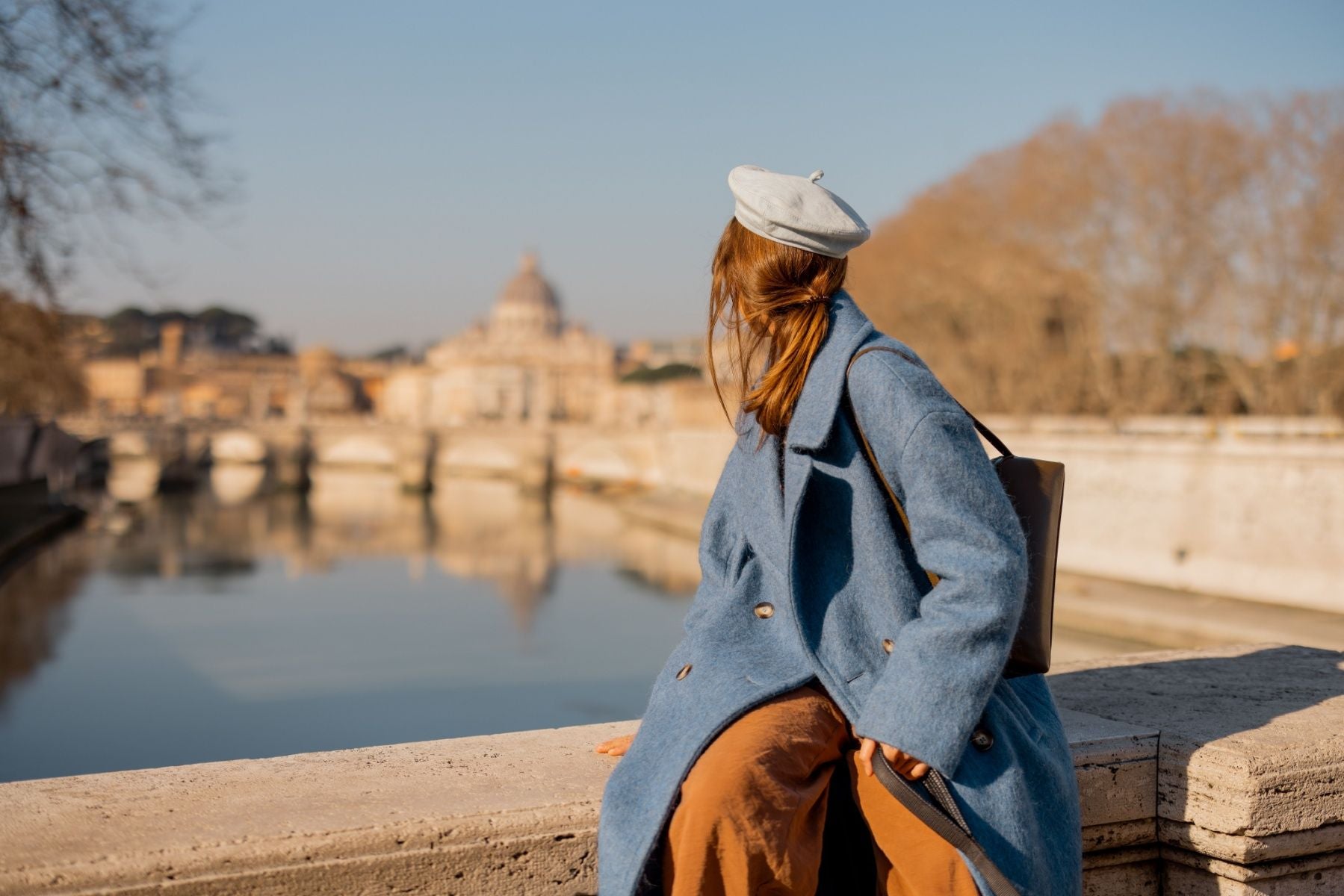
January gives you a different perspective on Rome. With fewer visitors in the city, many of Rome’s most famous landmarks feel easier to experience, and popular sites are more manageable. Museums, archaeological sites, and historic piazzas remain accessible, while seasonal events add a local layer.
The list below covers the best things to do in Rome in January, with clear guidance on how to visit each site, what to expect during the winter season, and tips to help you plan your time efficiently.
Visit St. Peter’s Basilica in Rome in January

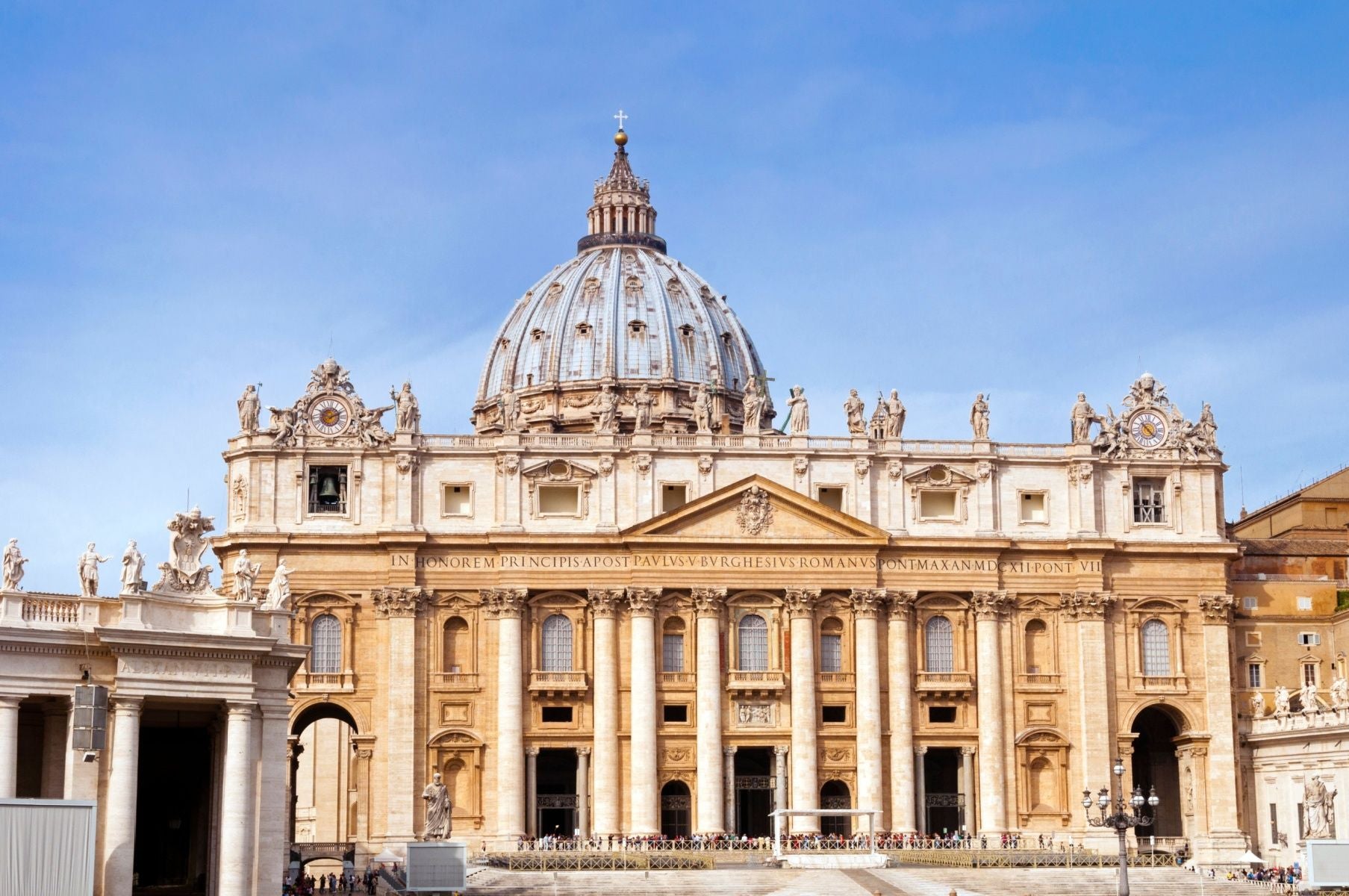
Visiting St. Peter’s Basilica is one of the most memorable things to do in Rome in January. As the spiritual center of Vatican City, it is busy throughout the year, but Rome in January offers a clear advantage. Winter crowds are significantly lighter, and the security line to enter St. Peter’s Square moves far faster.
From October to March, St. Peter’s Basilica is open daily from 7:00 to 18:30, and admission to the Basilica is free. Inside, you can admire masterpieces such as Michelangelo’s Pieta and Bernini’s Baldachin. If you want insight into the artwork and architecture, you can book a St. Peter’s Basilica tour.
For sweeping views of the Vatican and Rome, consider an entry ticket to the St. Peter’s Dome. In January, it is typically open from 7:30 to 17:00, and the cooler temperatures make the climb more comfortable.
Beneath the main floor, you can access the Vatican Grottoes free of charge. This underground area houses the tombs of Popes, including St. John Paul II.
You can also have an immersive experience if you book a St. Peter’s Basilica tour with Dome and underground access. This is one of the best things to do in Rome in January if you want to fully understand the significance of the site.
Vatican Events in January

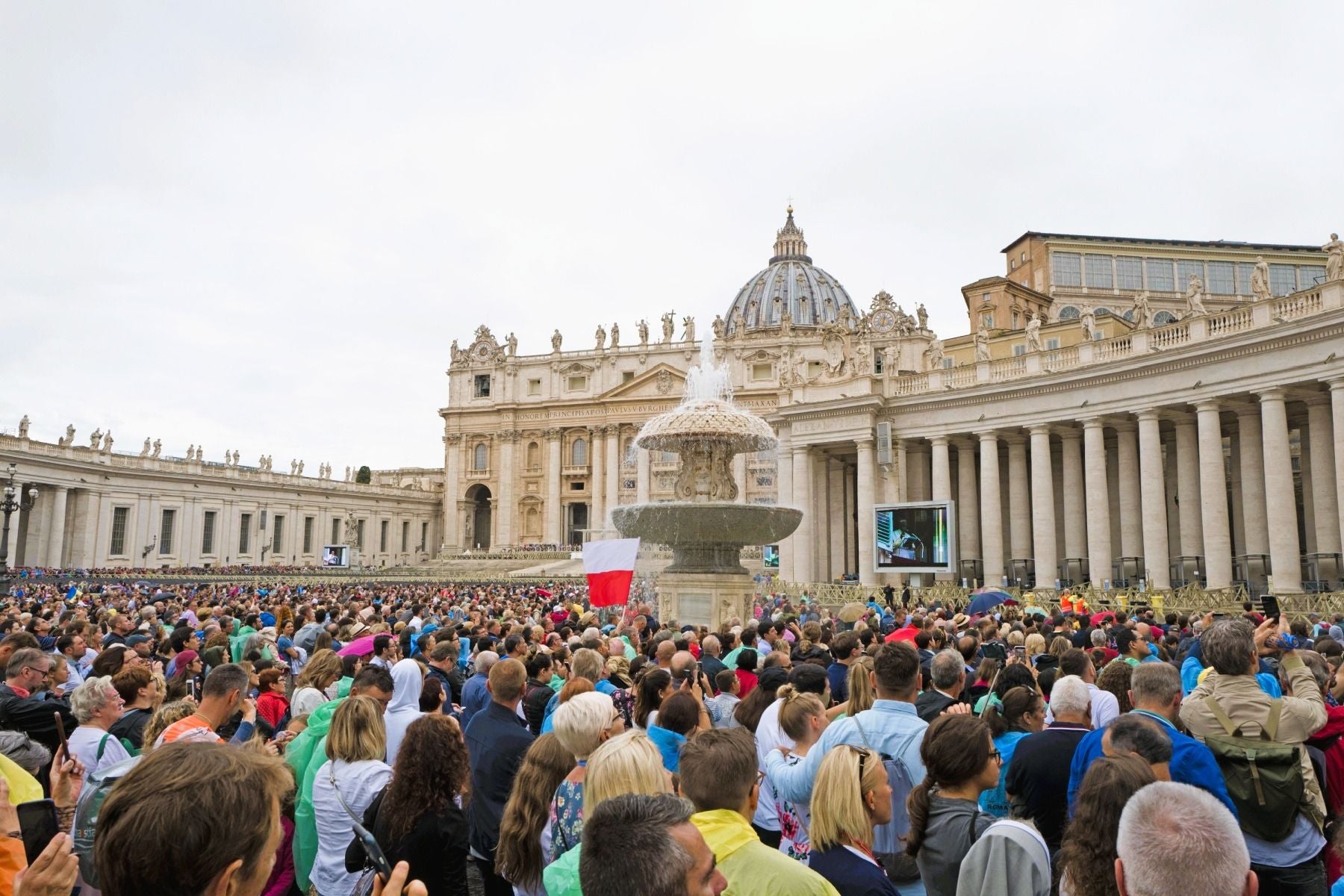
Early January is the busiest time at the Vatican due to New Year’s and Epiphany. On January 1, the Pope typically celebrates a morning Mass, often followed by the Angelus blessing at noon. Another key date is January 6, the Feast of the Epiphany, when the Pope usually presides over a special Mass.
Throughout the rest of January, the Pope delivers a blessing every Sunday at noon. The weekly Papal General Audience also takes place on Wednesday mornings and is often held at the Paul VI Audience Hall during the winter. If you plan to attend, reserving access for the Papal Audience is recommended.
Crowd levels may be even heavier in early January 2026 due to the conclusion of Jubilee, the special Holy Year declared by the Catholic Church. Because of the increased number of pilgrims, it is best to reserve entrance to St. Peter’s Basilica and the Holy Door during the Jubilee.
Explore the Vatican Museums and Sistine Chapel in January

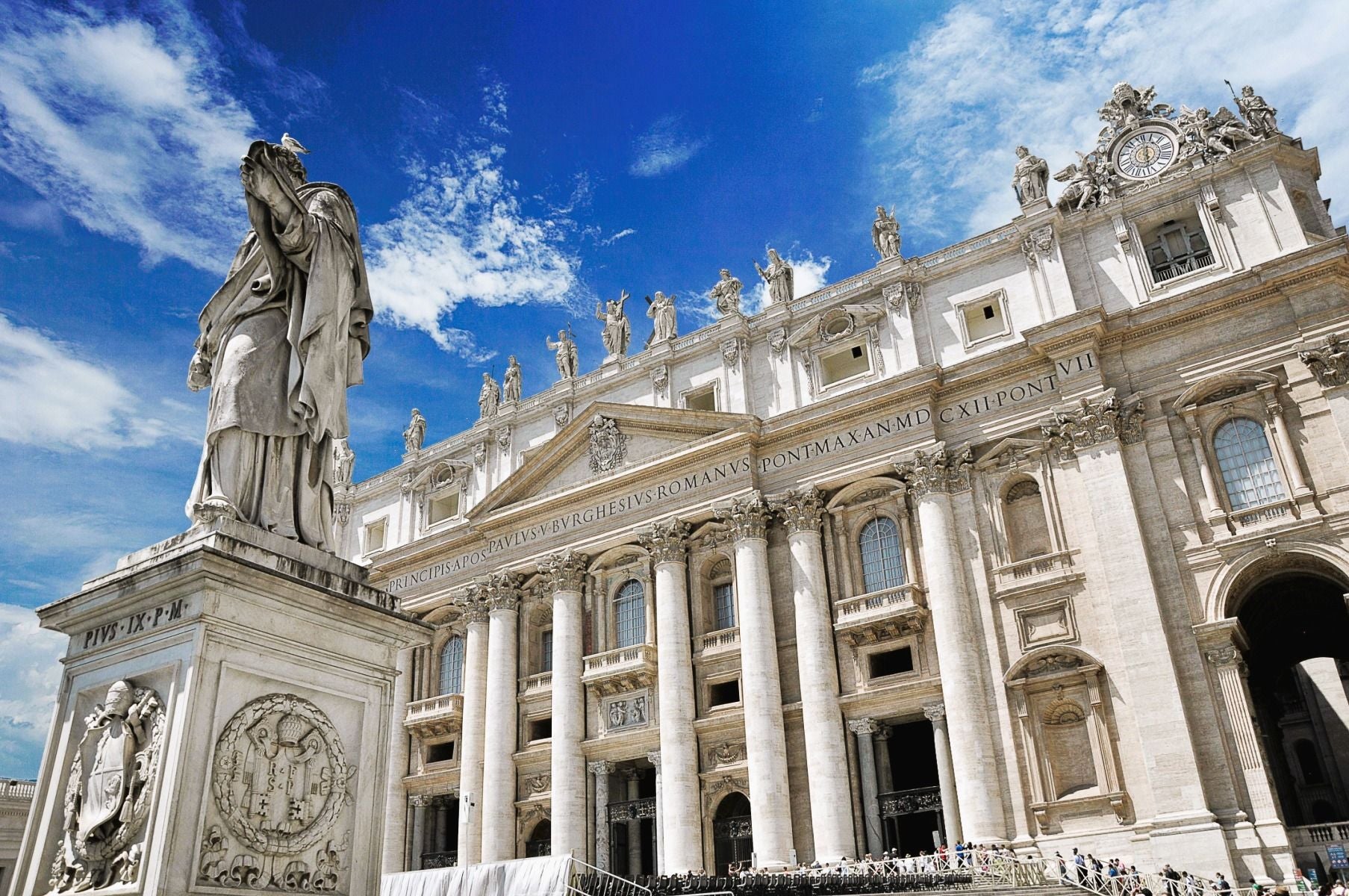
Visiting the Vatican Museums and Sistine Chapel is one of the rewarding things to do in Rome in January. Home to one of the world’s greatest art collections, the museums are busy year-round, but Rome in January offers lighter crowds. That said, planning is essential, as lines can still be long without advance tickets.
The Vatican Museums are free and open on the last Sunday of the month from 9:00 to 14:00. However, this attracts immense crowds, often forming lines as early as 7:00.
Typically, the Vatican Museums are open Monday through Saturday from 8:00 to 20:00. They are closed on Sundays, January 1, and January 6.
Inside, you will move through vast galleries showcasing ancient sculptures, Renaissance frescoes, and priceless artifacts, with the Sistine Chapel as the finale. Booking a guided Vatican Museums and Sistine Chapel tour adds valuable context and helps you navigate the complex efficiently.
For the best experience, an early-entry tour of the Vatican Museums is especially worthwhile, as they let you experience the galleries and the Sistine Chapel before the heaviest crowds arrive. If early entry is not an option, weekday afternoons after 15:00 tend to be quieter, once many tour groups have already exited.
If you want a complete Vatican experience, consider booking a combined Vatican Museums, Sistine Chapel, and St Peter’s Basilica tour. This allows you to access the special passage between the churches, skip the basilica’s long security line, and continue your visit seamlessly.
Walk Through the Colosseum in Rome in January

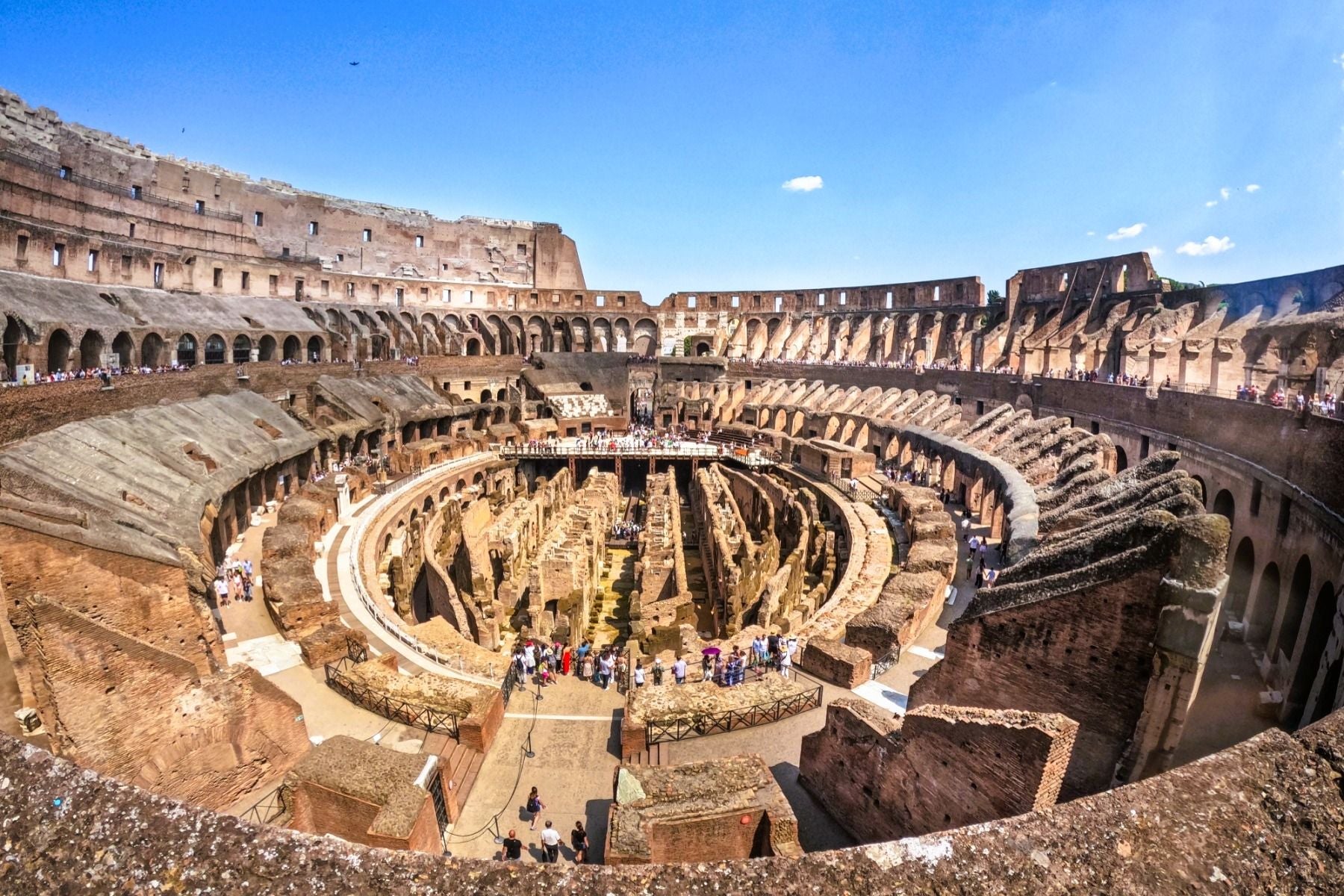
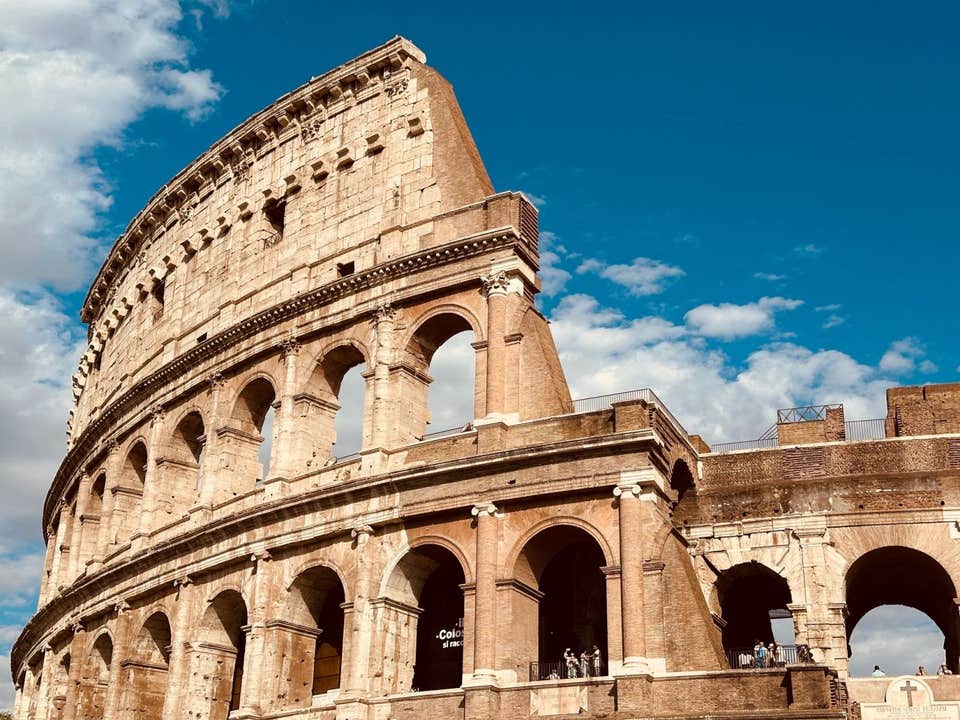
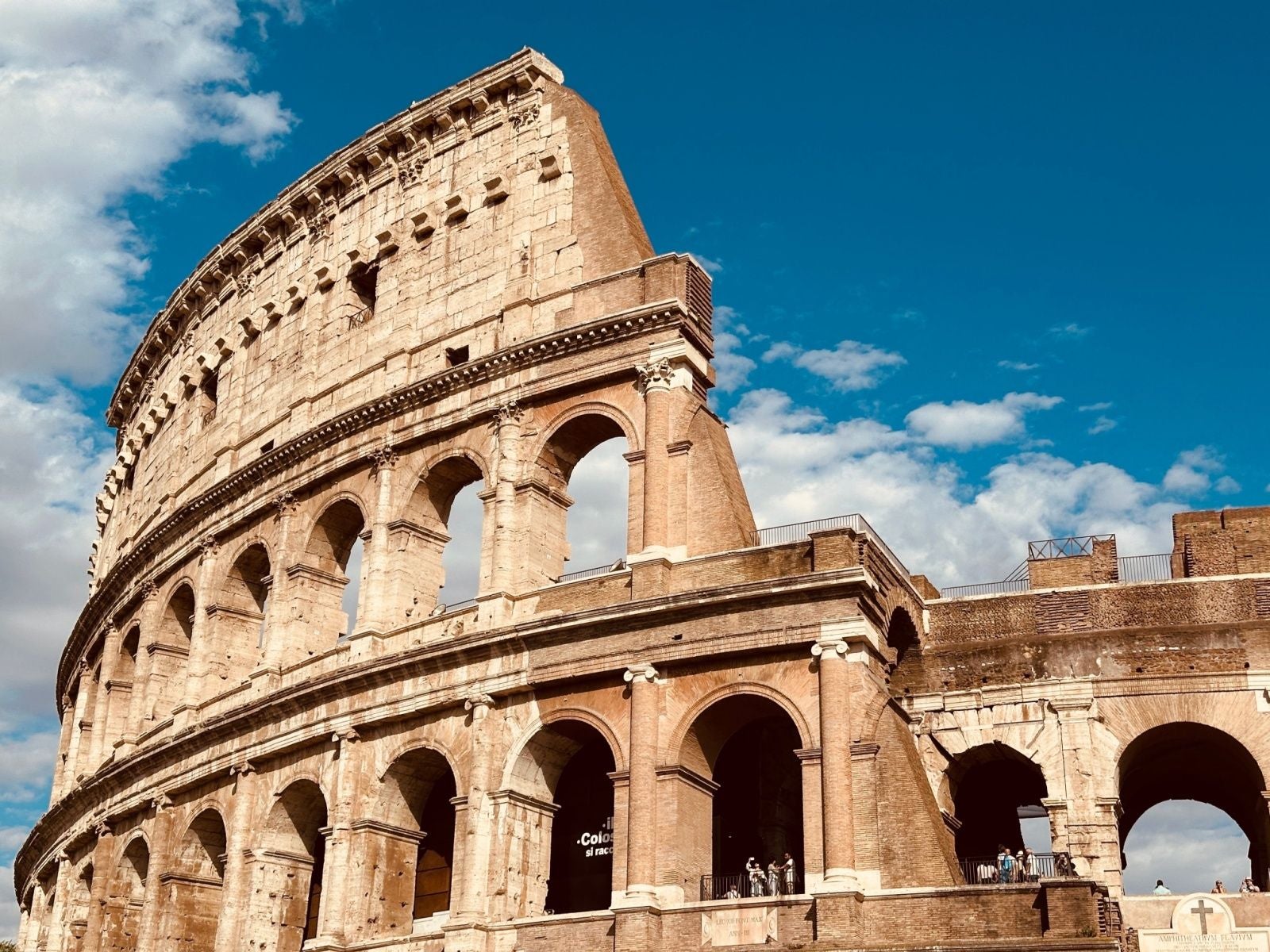
Walking through the Colosseum is one of the most iconic things to do in Rome in January. As Rome’s most visited landmark, it draws crowds year-round, but January offers clear advantages. Cooler winter temperatures and fewer crowds make exploring the massive amphitheater far more comfortable.
The Colosseum offers free entry on the first Sunday of the month, but tickets must be collected on-site, and queues already form early in the morning. For regular visits, a timed-entry Colosseum ticket must be reserved in advance, even during the low season.
The landmark typically operates daily from 8:30 to 16:30 but closes on January 1. For an immersive experience, consider a Colosseum entry with an underground tour, where gladiators once prepared for combat, or a Colosseum tour with arena access, which allows you to stand inside the amphitheater.
Step Back in Time at the Roman Forum and Palatine Hill

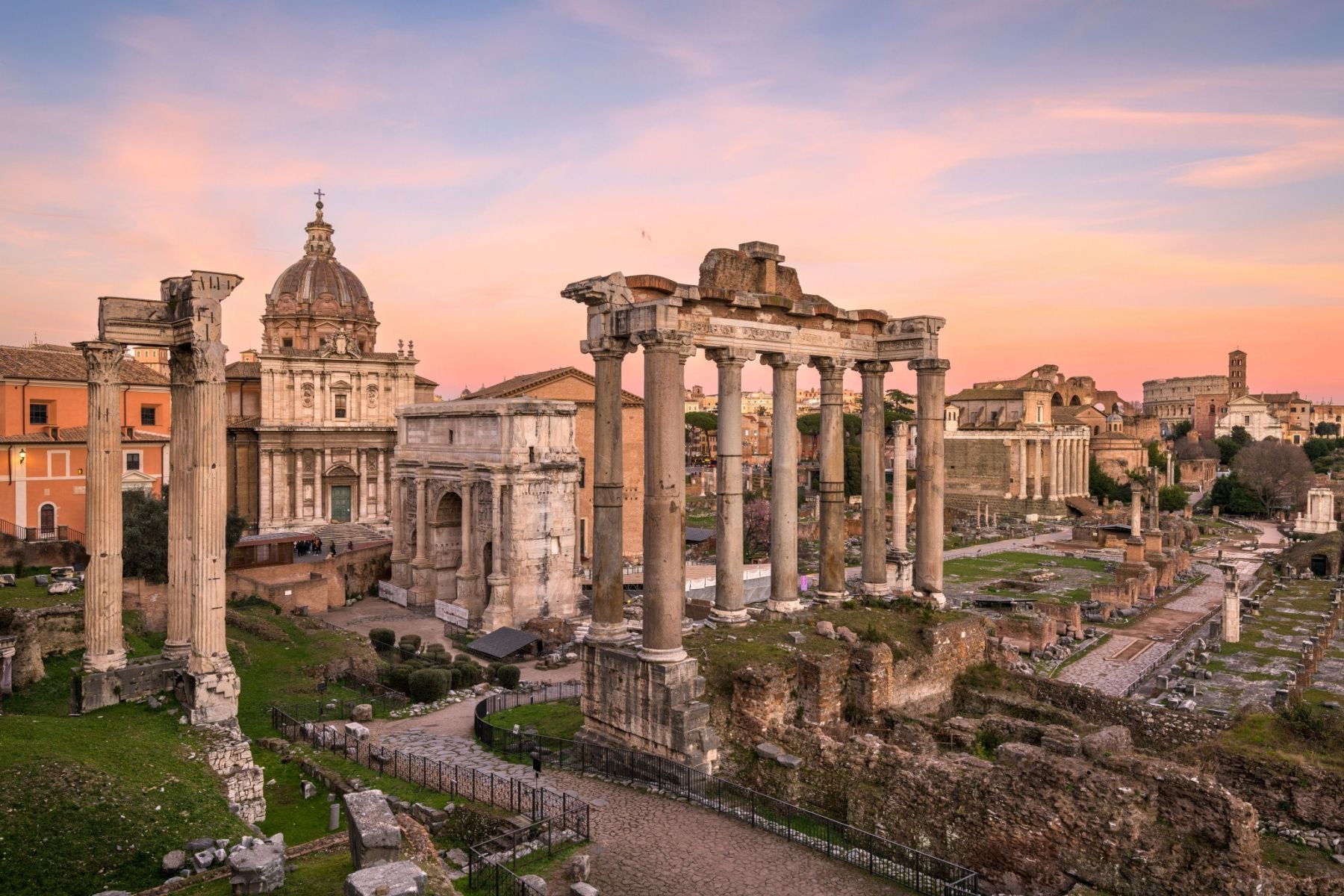
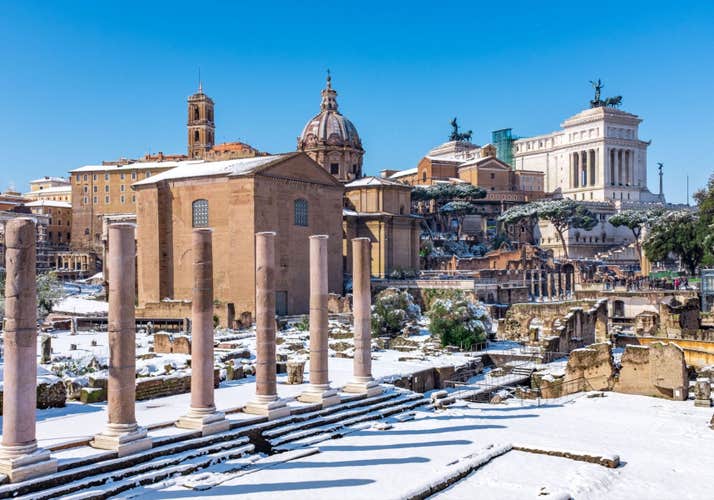
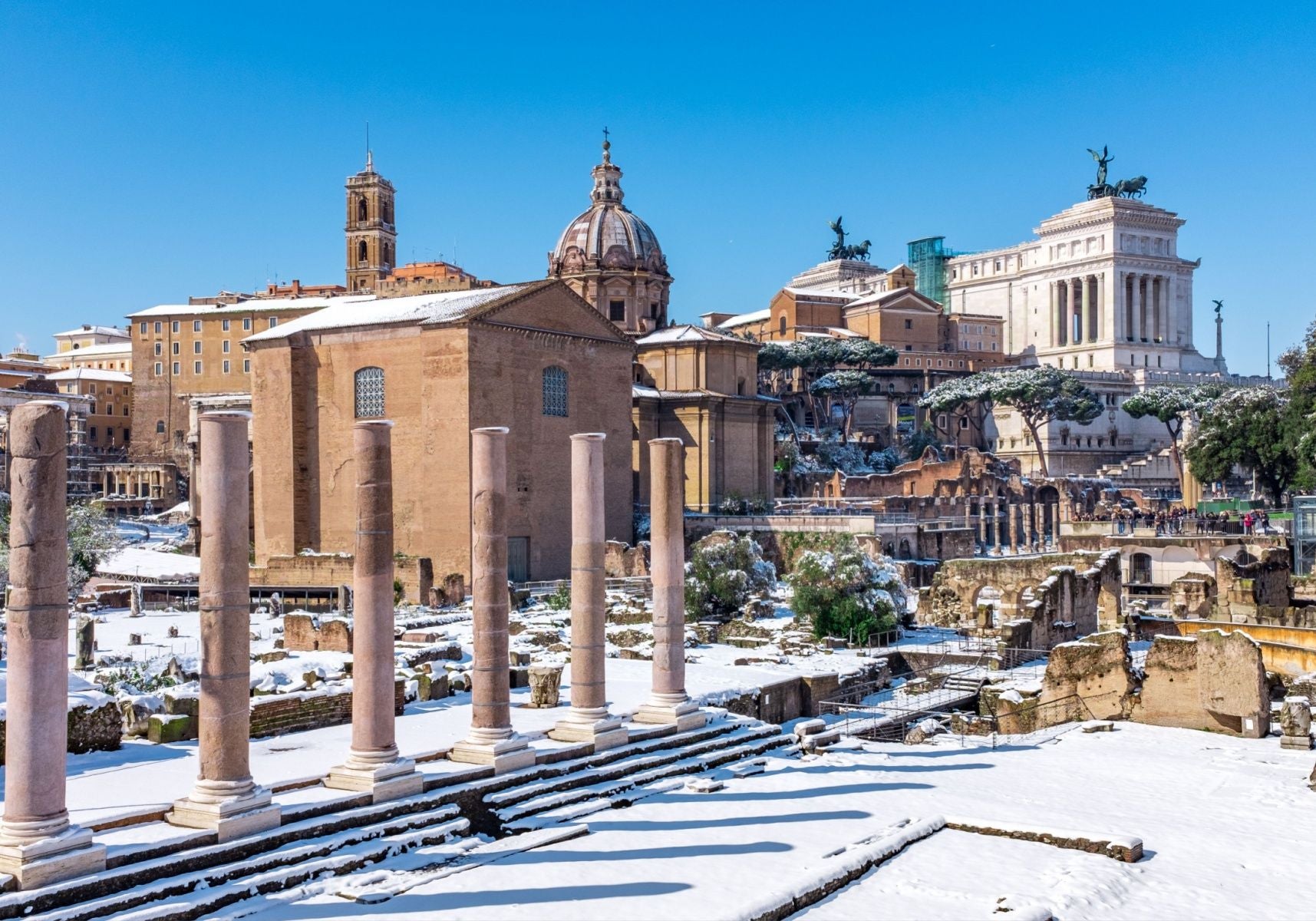
Walking through the Roman Forum and Palatine Hill is one of the most rewarding things to do in Rome in January. These outdoor ruins once formed the political, religious, and social heart of the ancient city. Rome in January brings cooler temperatures that make walking far more comfortable.
Access to the Roman Forum and Palatine Hill is included with a standard Colosseum ticket, which allows one entry to the Colosseum and one entry to the Forum and Palatine Hill within 24 hours. During winter, the area typically operates from 9:00 to 16:30. The site is closed only on January 1.
Palatine Hill is one of the most historic areas of Rome, believed to be the site where Romulus founded the city. Here, you can explore the remains of imperial palaces built by emperors such as Augustus. It offers some of the best views, with the Roman Forum on one side and the Circus Maximus on the other.
Step Inside the Pantheon in Rome in January

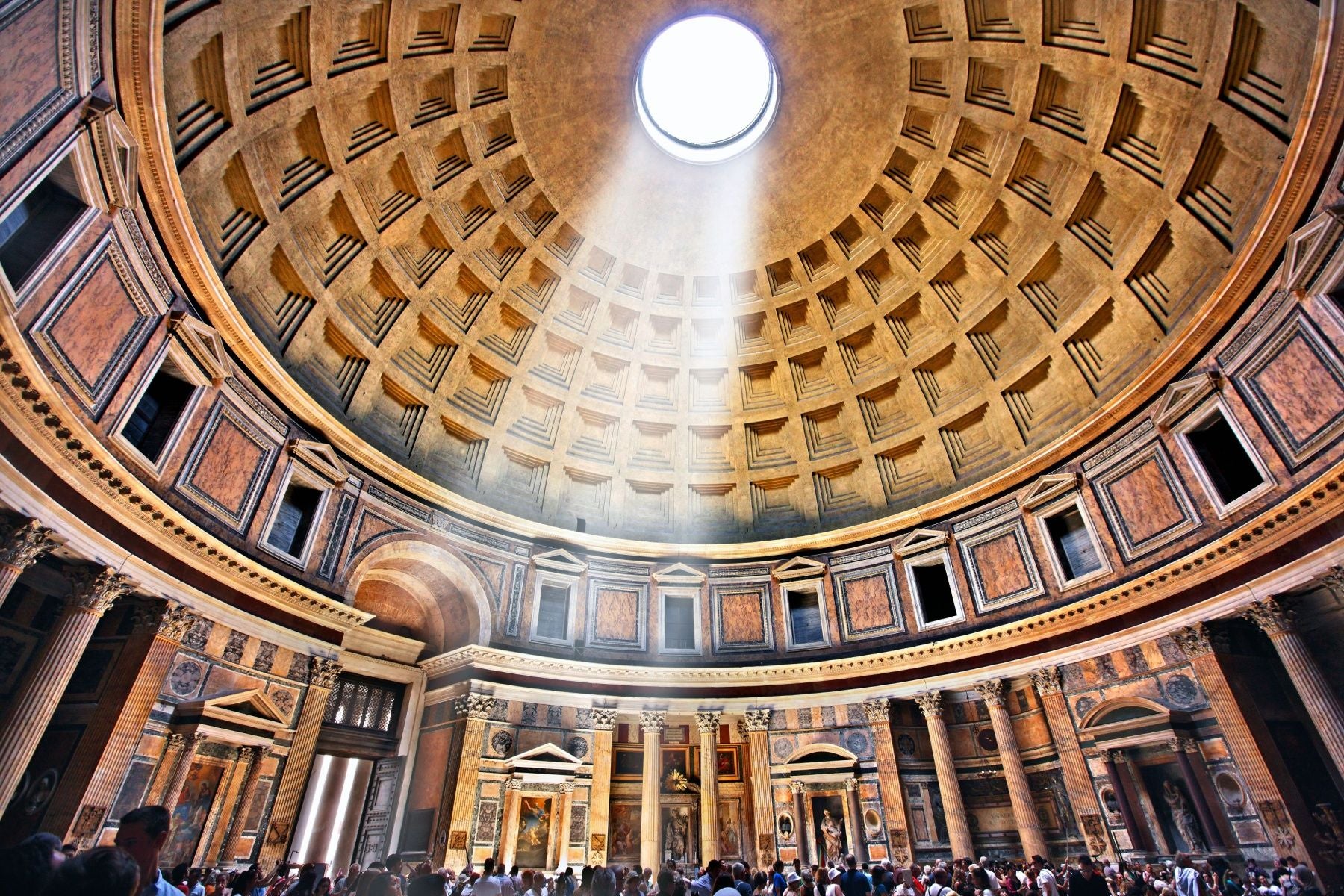
Stepping inside the Pantheon is one of the most atmospheric things to do in Rome in January. As one of the best-preserved ancient buildings in the world, it attracts visitors throughout the year, but winter offers a noticeably calmer experience and a more unhurried visit.
In January, it is typically open daily from 9:00 to 19:00, and it is closed only on January 1. Entry to the Pantheon requires an admission ticket for a specific timed slot. While admission is free on the first Sunday of the month, queues are often long and poorly managed, which makes a reserved ticket the better option.
On sunny days, visiting between late morning and early afternoon allows you to see a beam of light through the open dome, acting as a natural spotlight. On rainy days, the effect is just as striking, as rain falls through and is carried away by the ancient drainage system built into the marble floor.
After your visit, the colder winter weather makes it easy to linger in cafes around Piazza della Rotonda. Warming up with a coffee at historic spots like Sant’Eustachio Il Caffe or Tazza d’Oro adds a local touch to the experience.
Admire Masterpieces at the Borghese Gallery in January

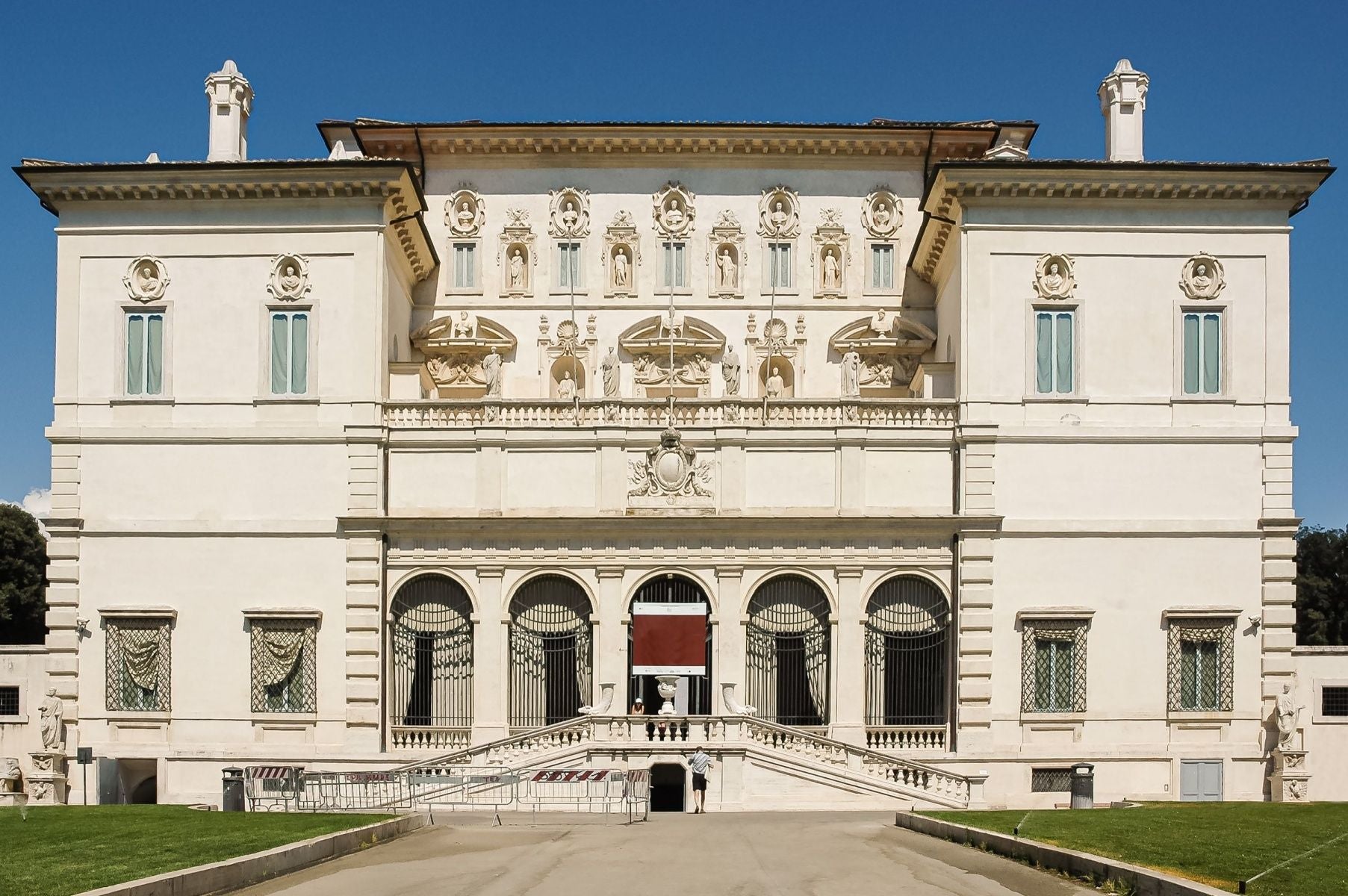
Admiring the artworks in the Borghese Gallery is one of the most refined things to do in Rome in January. Housed in a former villa inside Villa Borghese Park, the gallery is known for its collection of Bernini sculptures and Caravaggio paintings.
In January, the Borghese Gallery is typically open from Tuesday to Sunday, 9:00 to 19:00, and closed on January 1. A reservation for the Borghese ticket is mandatory, and entry is limited to a two-hour time slot. Even on the first Sunday of the month, when admission is free, visitors must still reserve in advance.
Inside, you can explore one of Rome’s impressive art collections. Highlights include Bernini’s Apollo and Daphne and The Rape of Proserpina, as well as Caravaggio’s Boy with a Basket of Fruit and David with the Head of Goliath. Since the gallery is within Villa Borghese Park, you can also explore the surrounding gardens.
Discover Ancient Rome at the Capitoline Museums in January

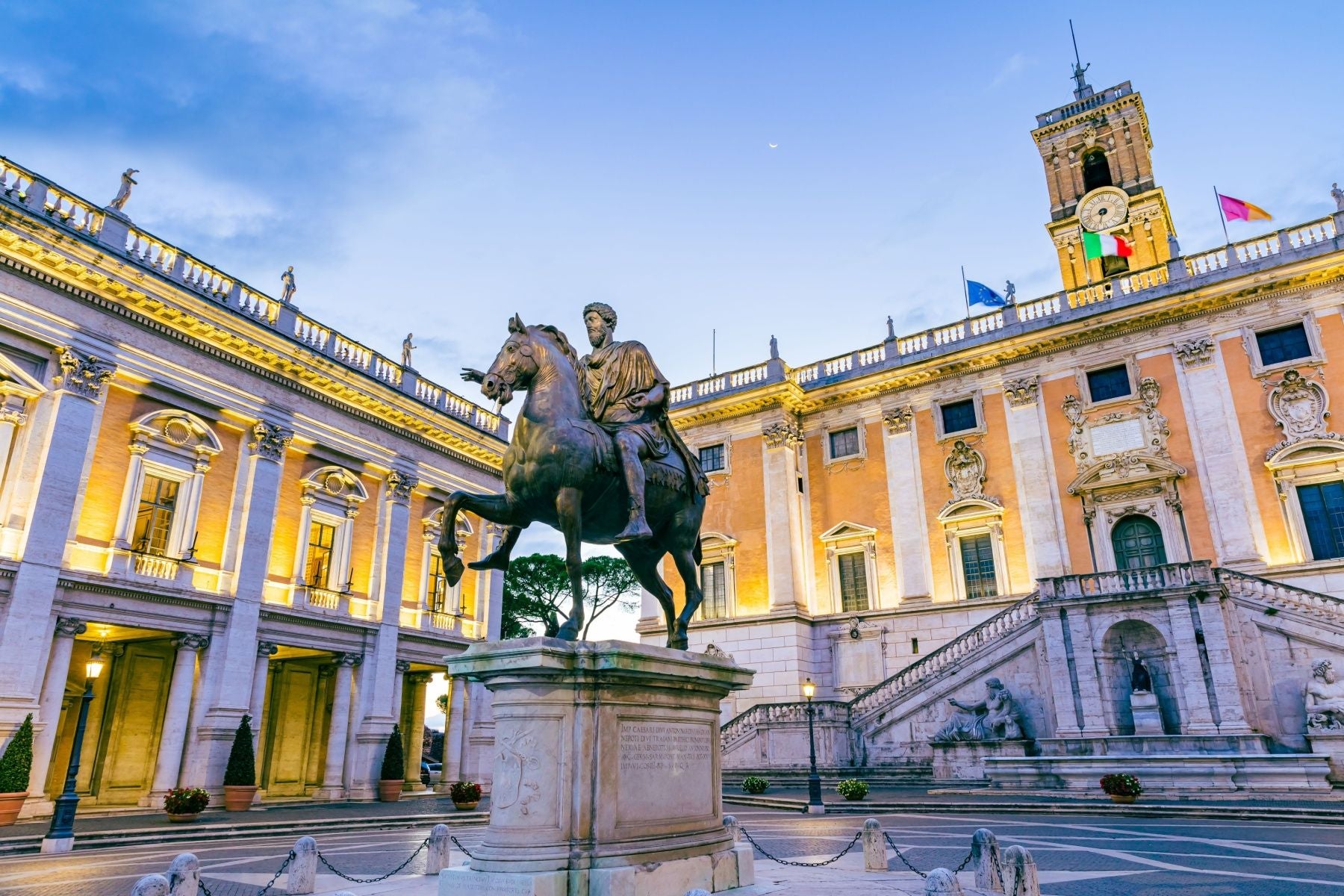
Exploring the Capitoline Museums is one of the most rewarding things to do in Rome in January, especially if you want to know the city’s history. Considered the oldest public museums, the Capitoline Museums trace their origins back to 1471 and are set atop Capitoline Hill, one of Rome’s seven hills.
In January, the Capitoline Museums are generally open daily from 9:30 to 19:30. On the first day of the year, the museums open later in the morning, typically at 11:00, and remain open into the evening.
Entry to the Capitoline Museums is through Piazza del Campidoglio, a square designed by Michelangelo, and the collections are housed in two main palaces connected by an underground passage.
The Palazzo dei Conservatori features monumental bronze statues such as the original Equestrian Statue of Marcus Aurelius and the Capitoline She-Wolf. Across the passage, the Palazzo Nuovo focuses on classical sculpture, with highlights such as the Dying Gaul and the Capitoline Venus.
Explore Castel Sant’Angelo in Rome in January

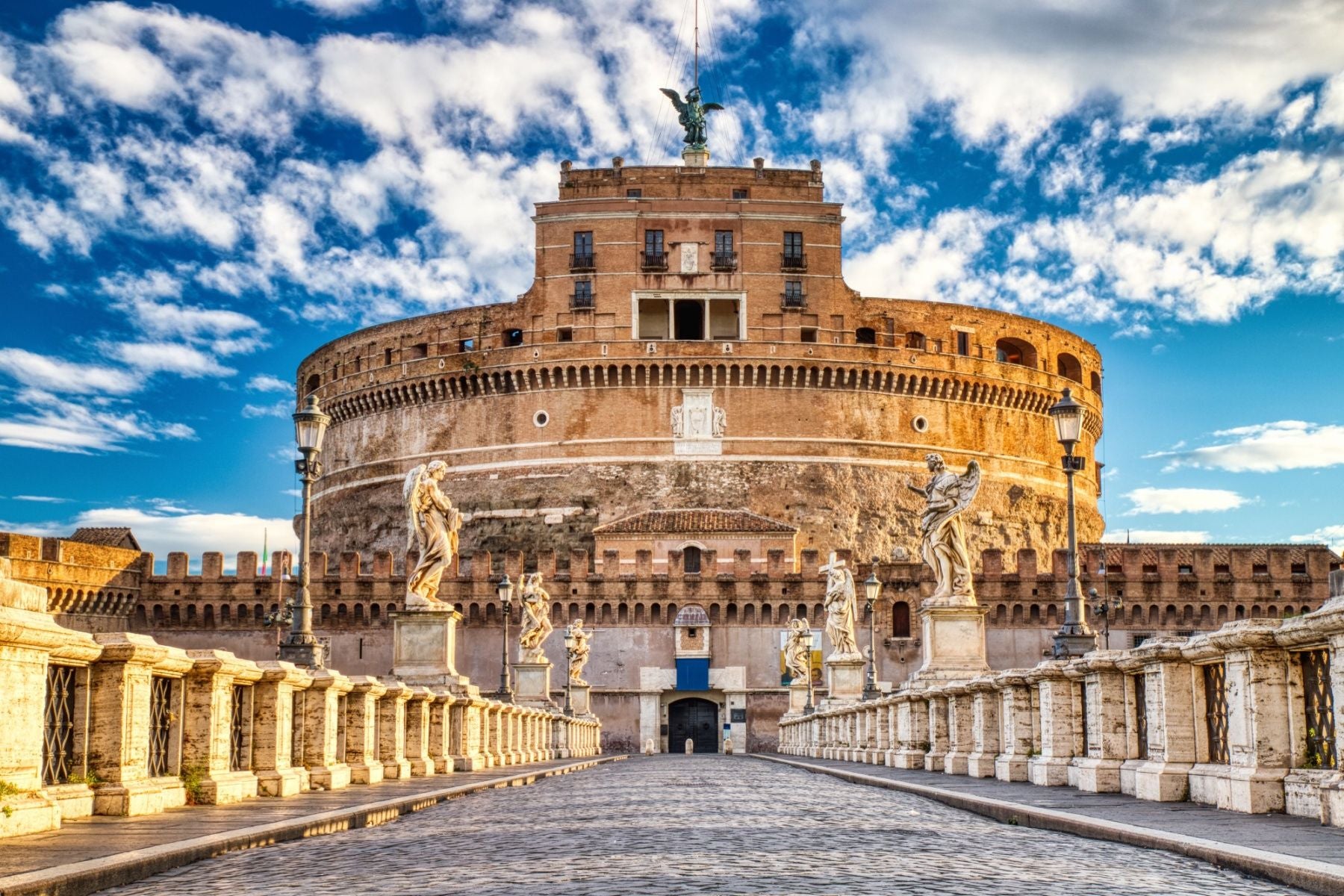
Exploring Castel Sant’Angelo is one of the most fascinating things to do in Rome in January, thanks to its layered history and scenic location along the Tiber River. Originally built in 135 A.D. as the Mausoleum of Hadrian, the massive cylindrical structure later served as a papal fortress, prison, and refuge.
In January, Castel Sant’Angelo is typically open from Tuesday to Sunday between 9:00 and 19:30. The museum is closed on Mondays and January 1. While it is not as crowded as other attractions, reserving a timed-entry ticket for Castel Sant’Angelo is recommended if you want to skip ticket lines.
You can walk through former military rooms, papal apartments with Renaissance frescoes, and areas once used as a prison. One of the most intriguing features is the Passetto di Borgo, a fortified corridor that once allowed Popes to escape the Vatican during times of siege.
Another highlight is the rooftop terrace, which offers sweeping views over Rome. From here, you can see St. Peter’s Basilica, Ponte Sant’Angelo, and the Tiber River. With its mix of history, scenery, and manageable crowds, this is one of the best things to do in Rome in January.
Visit the Capuchin Crypts and Roman Catacombs in January

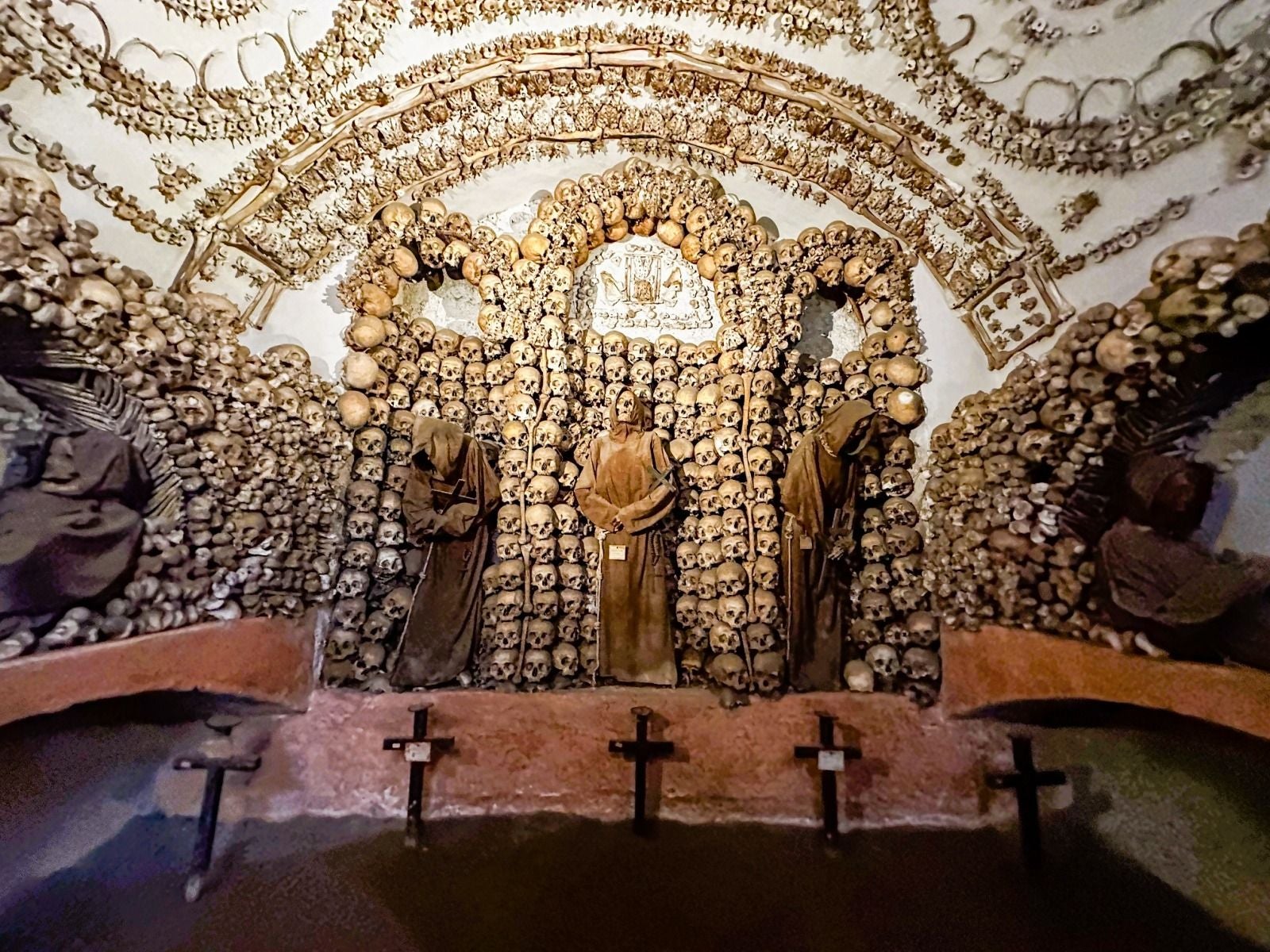
Visiting the Capuchin Crypts and Roman catacombs is one of the most thought-provoking things to do in Rome in January. These underground sites reveal a quieter, more contemplative side of the city, focusing on early Christian history, faith, and mortality.
A tour of the Capuchin Crypt takes you beneath the church of Santa Maria della Concezione dei Cappuccini. Inside, the remains of approximately 3,700 Capuchin friars, who died between the 16th and 19th centuries, are arranged in intricate patterns across small chapels.
Tour operators often pair a Capuchin Crypt visit with Rome’s ancient Christian catacombs, which require a guide. These underground burial complexes date back to the early centuries of Christianity and feature narrow corridors, burial niches, and early Christian symbols carved into volcanic rock.
See the Trevi Fountain in Rome in January

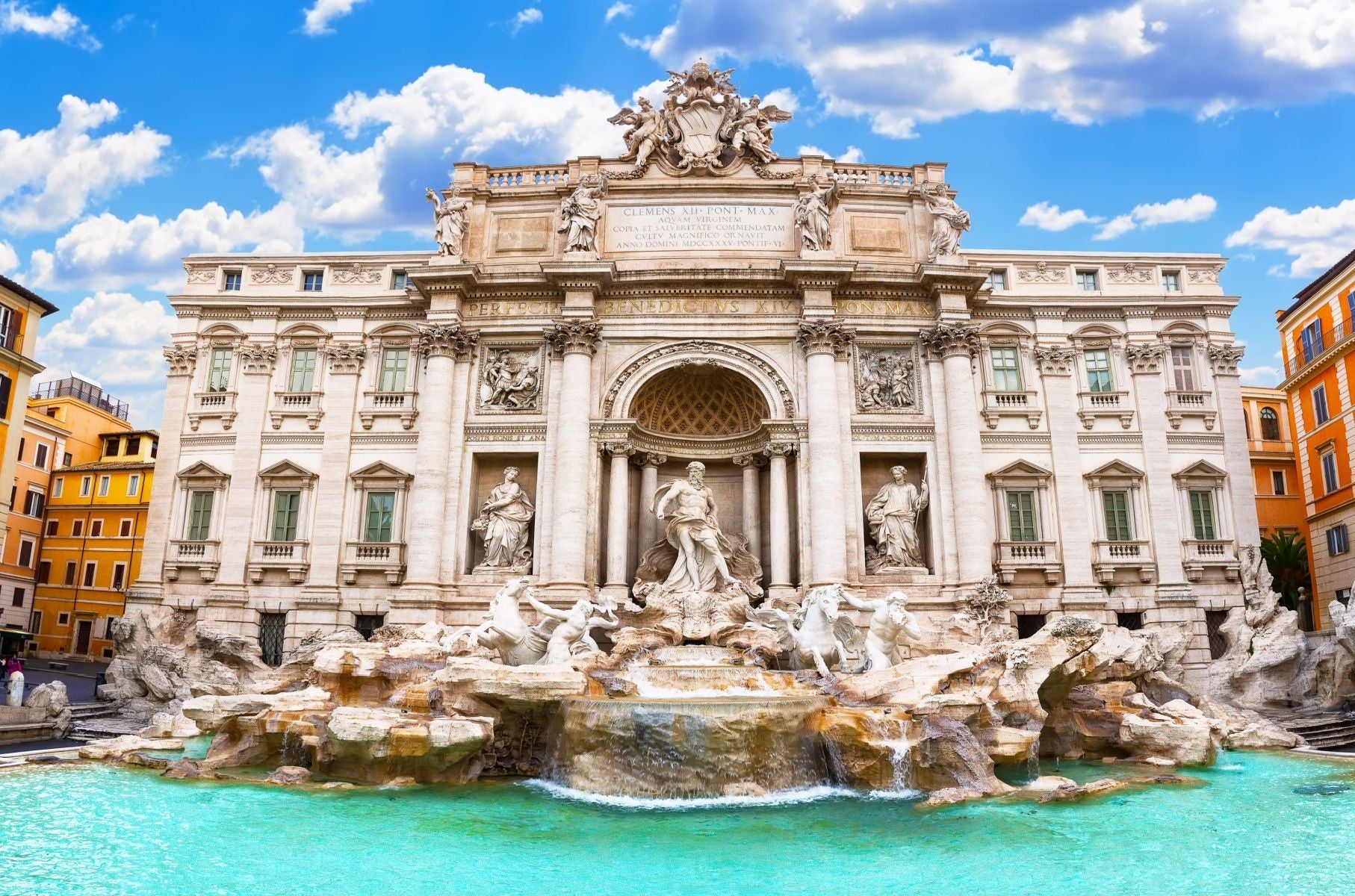
Seeing the Trevi Fountain is one of the most iconic things to do in Rome in January, and winter offers some of the best conditions to experience it. As Rome’s most famous Baroque fountain, it is crowded year-round, but January brings noticeably lighter crowds compared to peak seasons.
The Trevi Fountain has traditionally been free to visit and accessible any day. However, starting in 2026, access to the area closest to the fountain may require a ticket as part of new crowd-management measures, while the surrounding square is expected to remain freely accessible.
You can combine a visit to Trevi Fountain with an underground tour. Just steps from the fountain entrance, you can descend into Vicus Caprarius, also known as the City of Water. This compact archaeological site preserves the remains of an imperial-era house and a large ancient water reservoir.
One of the tour’s highlights is seeing the Aqua Virgo aqueduct still flowing through the site, supplying the same water that feeds the Trevi Fountain above. The underground visit takes around 30 to 45 minutes and provides a warm, sheltered break from chilly or rainy January weather.
Walk Up the Spanish Steps in Rome in January

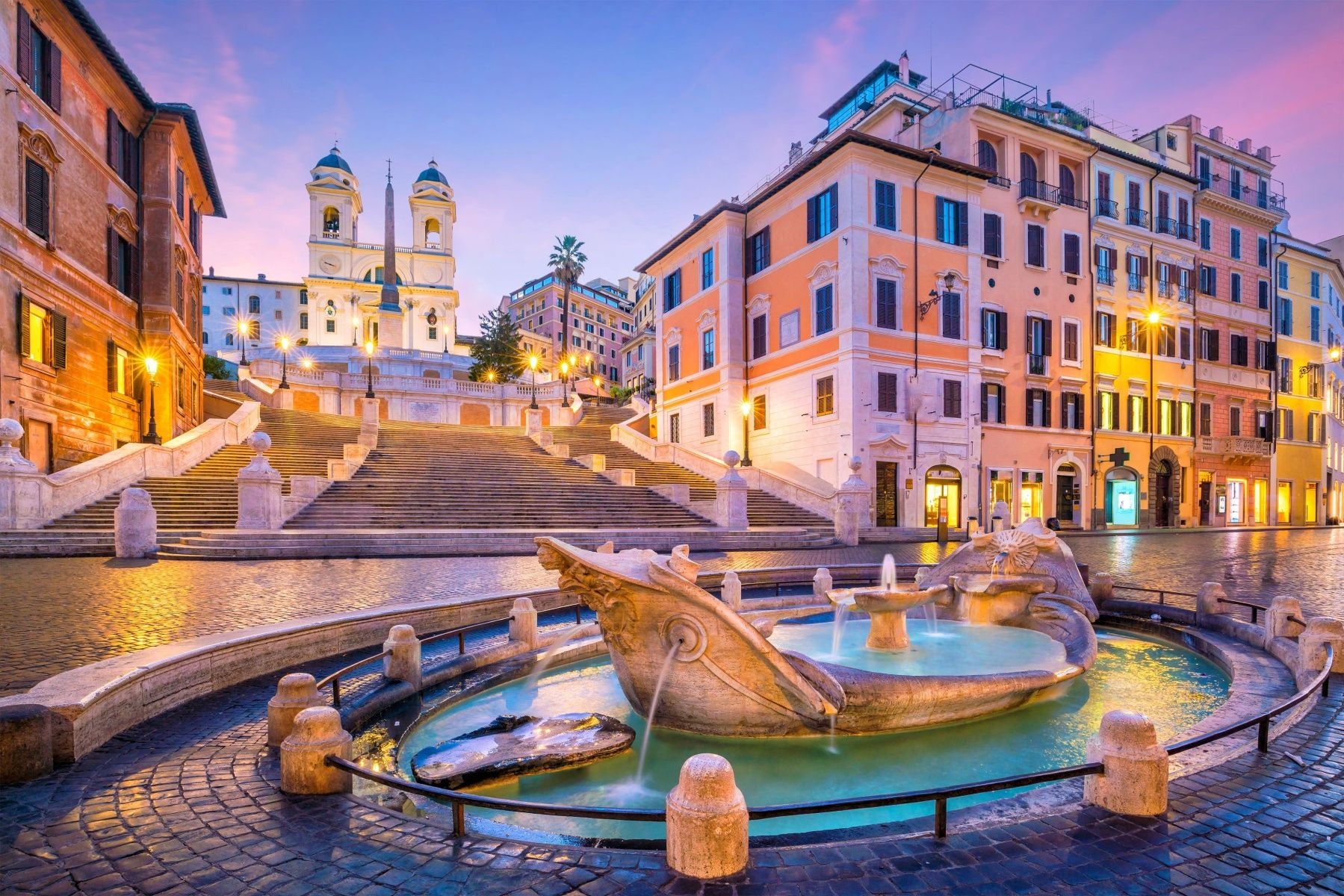
Walking up the Spanish Steps is one of the easiest and most enjoyable things to do in Rome in January. This iconic Baroque staircase connects Piazza di Spagna with the Trinita dei Monti Church above. It serves as a natural meeting point between Rome’s historic center and its luxury shopping district.
The Spanish Steps are free to visit and open at all hours. Located directly outside the Spagna Metro Station on Line A, they are easy to reach and fit naturally into a walking itinerary. The base of the staircase is also home to the Fontana della Barcaccia, which is easier to enjoy when foot traffic is lower.
During the first week of the month, Christmas decorations may still be in place, including a large tree in Piazza di Spagna. After January 6, the area becomes especially lively as winter sales begin in nearby Via Condotti, one of Rome’s most famous shopping streets.
It is important to note that sitting on the Spanish Steps is strictly prohibited and can result in a fine, so this is a place to pass through rather than linger. After your visit, you can warm up in nearby cafes or continue walking toward the Trevi Fountain or Villa Borghese.
Experience Piazza Navona in Rome in January

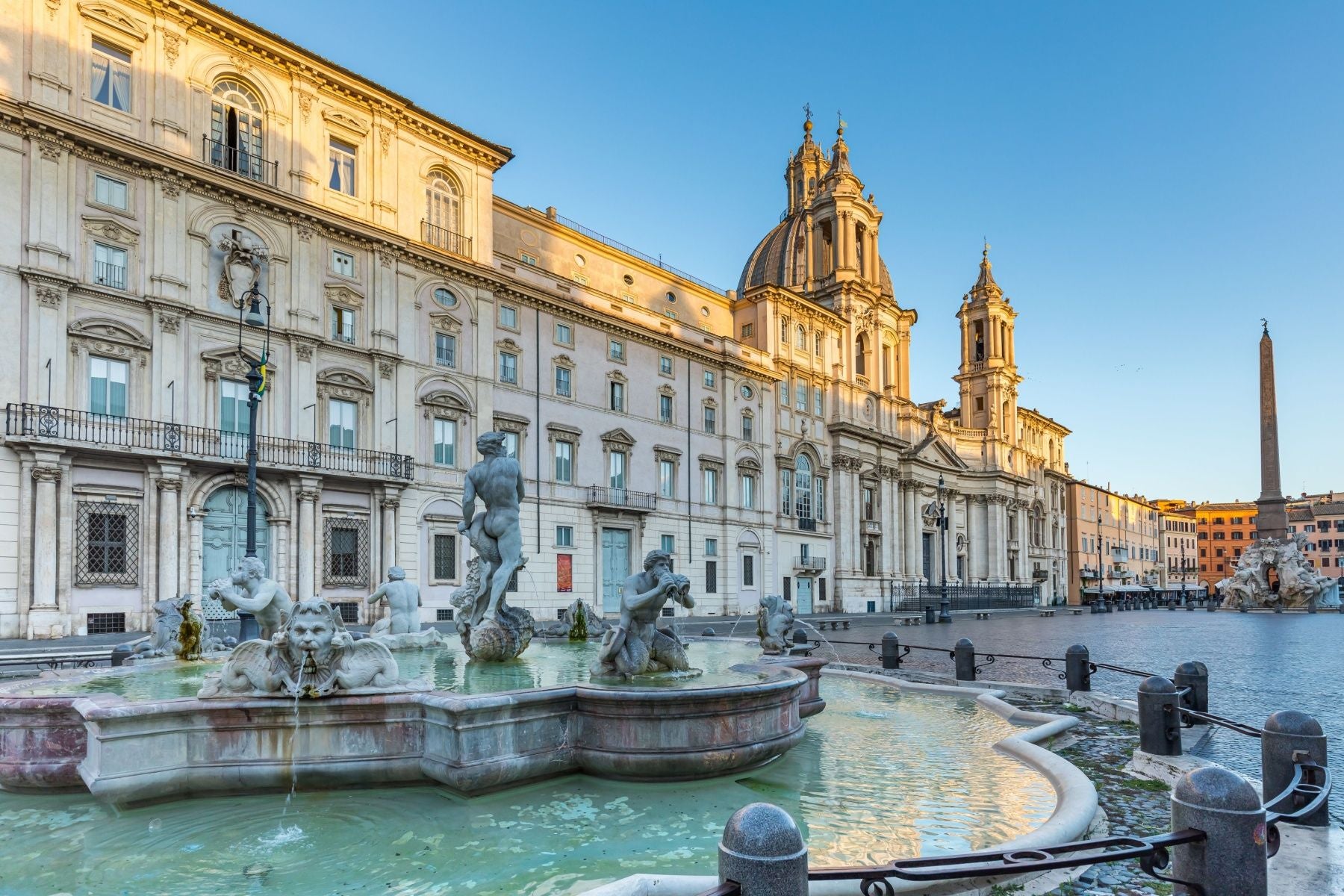
Experiencing Piazza Navona is one of the most atmospheric things to do in Rome in January, especially during the Epiphany season. Built on the site of the ancient Stadium of Domitian, the square is striking year-round, but early January adds a distinct cultural layer.
In the days leading up to January 6, Piazza Navona hosts the famous Fiera della Befana. This traditional Epiphany market fills the square with stalls selling sweets, toys, nativity figures, and seasonal treats. After Epiphany, the market stalls are removed, and the square returns to a quieter state.
Piazza Navona is defined by three Baroque fountains, led by Bernini’s Fontana dei Quattro Fiumi at the center. At either end of the square, the Fontana del Moro and the Fontana di Nettuno complete the layout, adding balance and movement to the elongated space.
Piazza Navona also reflects the rivalry between Bernini and Francesco Borromini. Borromini designed the Church of Sant’Agnese in Agone, which faces Bernini’s central fountain and adds to the square’s character. As a public space, the piazza is always open and easy to visit at any time.
Rome in January Food Guide

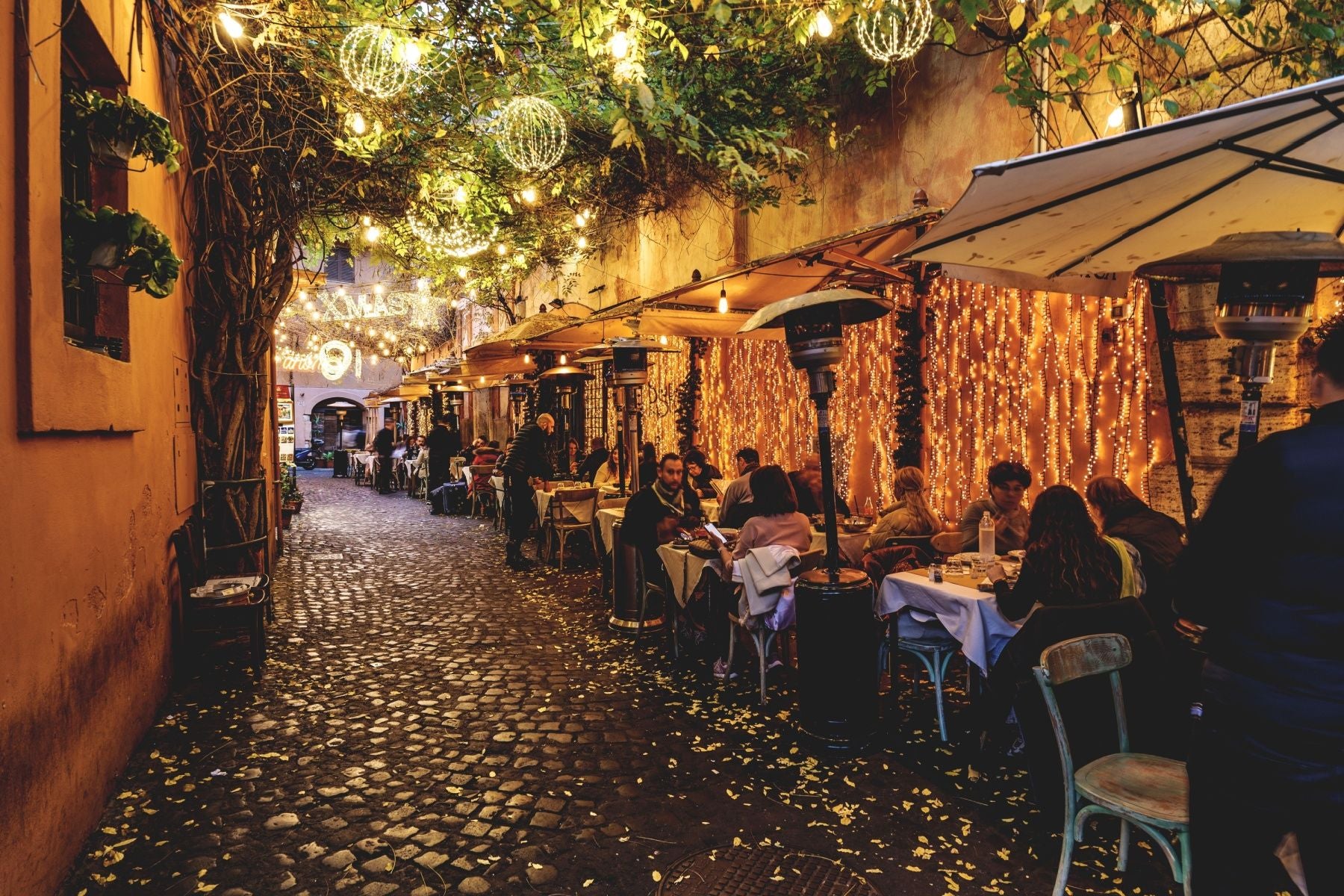
January is an excellent time to explore food and drink experiences in Rome. Seasonal menus, traditional cooking, and local routines come into focus, offering a clear picture of how Romans eat during the winter months.
This guide covers what to look for on menus, where to eat, and which food experiences are especially well-suited to a January visit.
Seasonal Dishes You Can't Miss in Rome in January

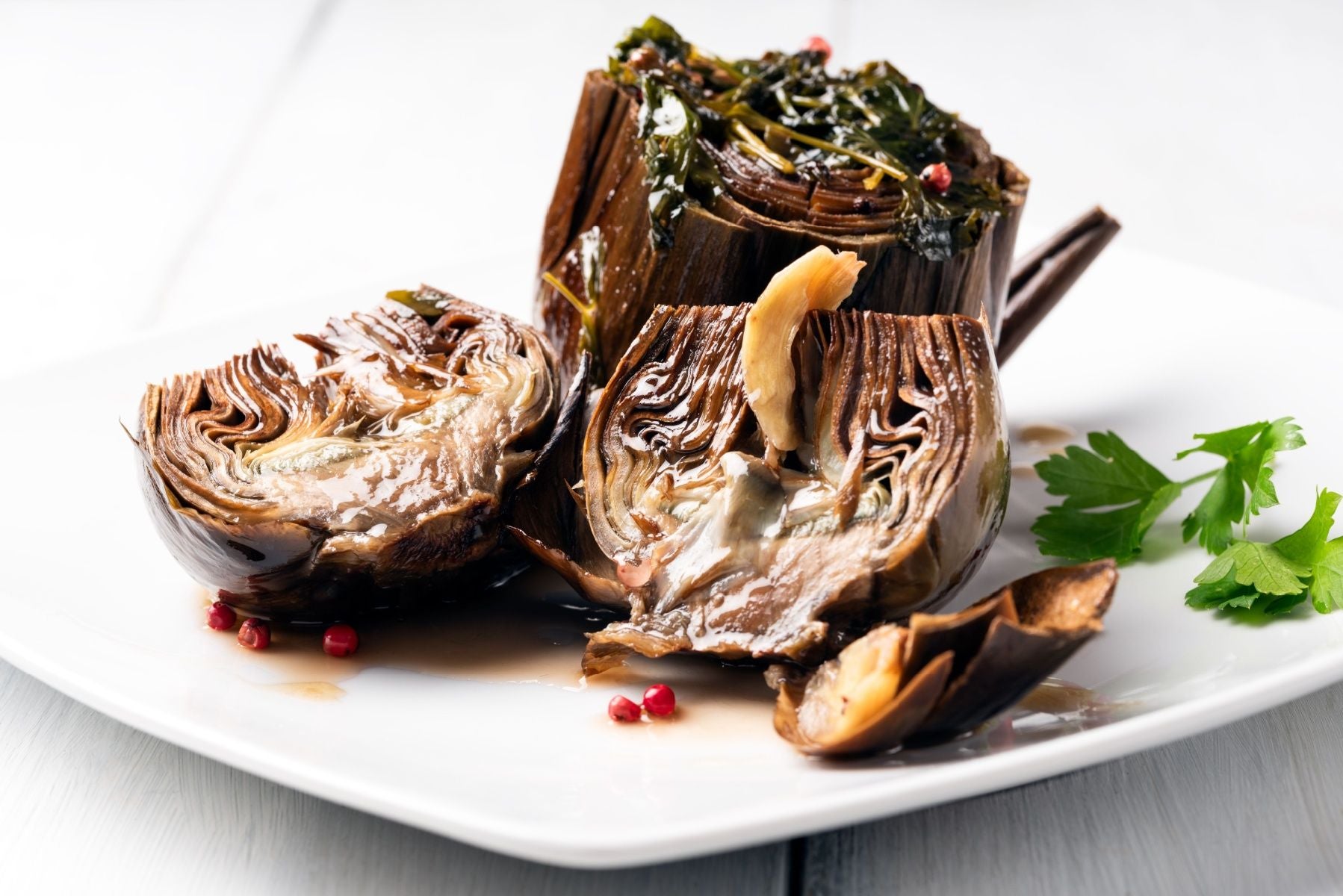
Eating seasonally while visiting Rome in January means focusing on winter vegetables and slow-cooked traditional dishes. Many local trattorie adjust their menus at this time of year, so knowing what to look for helps you choose seasonal specialties instead of year-round staples.
When dining out in Rome in January, look for carciofi (artichokes), which begin appearing on menus fried or stewed, and puntarelle alla Romana, a raw chicory salad dressed with anchovies, olive oil, and vinegar. These dishes are strong indicators of true winter cooking and are worth seeking out.
Winter menus often include warming primi, the first main course of an Italian meal, usually pasta, risotto, or soup. In January, this commonly means minestrone made with seasonal vegetables or thicker soups featuring chickpeas or chestnuts, which are designed to be filling rather than light.
For main courses, winter menus focus on Roman meat dishes. Coda alla vaccinara is a slow-braised oxtail stew. Abbacchio refers to baby lamb, usually grilled or roasted. Saltimbocca alla romana pairs veal with prosciutto and sage. Trippa alla Romana is tripe stewed in tomato sauce and finished with Pecorino Romano.
Desserts in Rome, Italy, in January are typically simple and citrus-focused. Oranges, blood oranges, mandarins, and lemons often appear in ricotta-based desserts, light pastries, or fruit plates, reflecting the flavors of the season.
Coffee and Cocoa in Rome in January

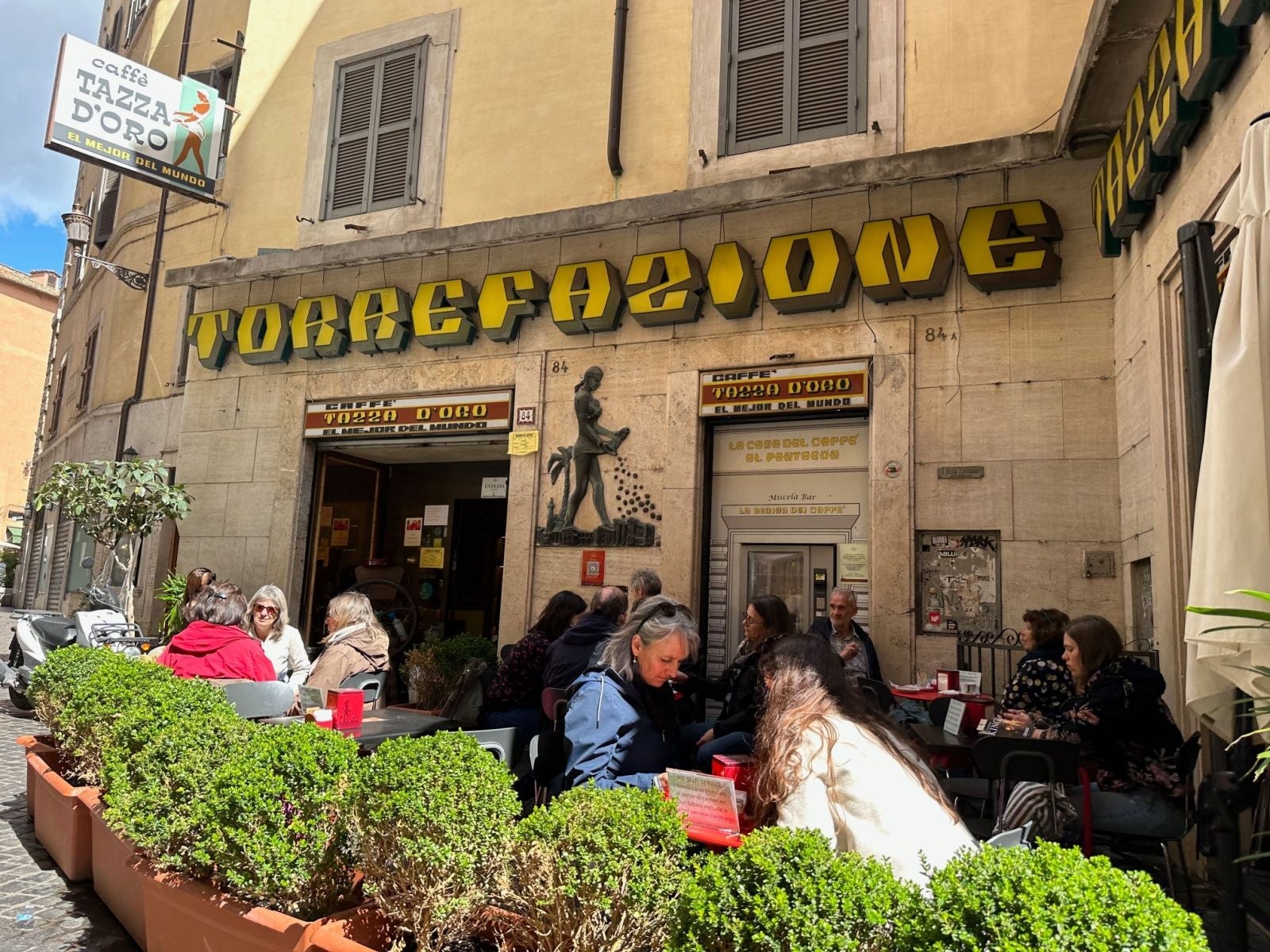
When visiting Rome in January, stopping for coffee or hot chocolate becomes part of the daily rhythm. Colder days naturally pull you into cafes, where locals pause briefly for something warm before moving on. It is one of the simplest and most enjoyable things to do in Rome in January.
Italian cioccolata calda is a winter specialty and different from standard hot cocoa. It is thick, dark, and rich, often served only during the colder months. Many cafes make it dense enough to eat with a spoon. Ordering cioccolata calda con panna, topped with whipped cream, is common and especially popular.
Coffee culture in Rome is quick and informal. A caffe means espresso and is usually taken standing at the bar. Historic cafes near the Pantheon, such as Sant’Eustachio Il Caffe and Tazza d’Oro, are convenient places to experience this everyday ritual while visiting Rome in January.
Coffee in Rome follows a few unwritten rules. Milk-based drinks like cappuccino belong to the morning and are rarely ordered after 11:00. Later in the day, a caffe macchiato is the usual choice, while a marocchino, made with espresso, chocolate, and milk foam, is an accepted exception.
Best Areas for Food in Rome

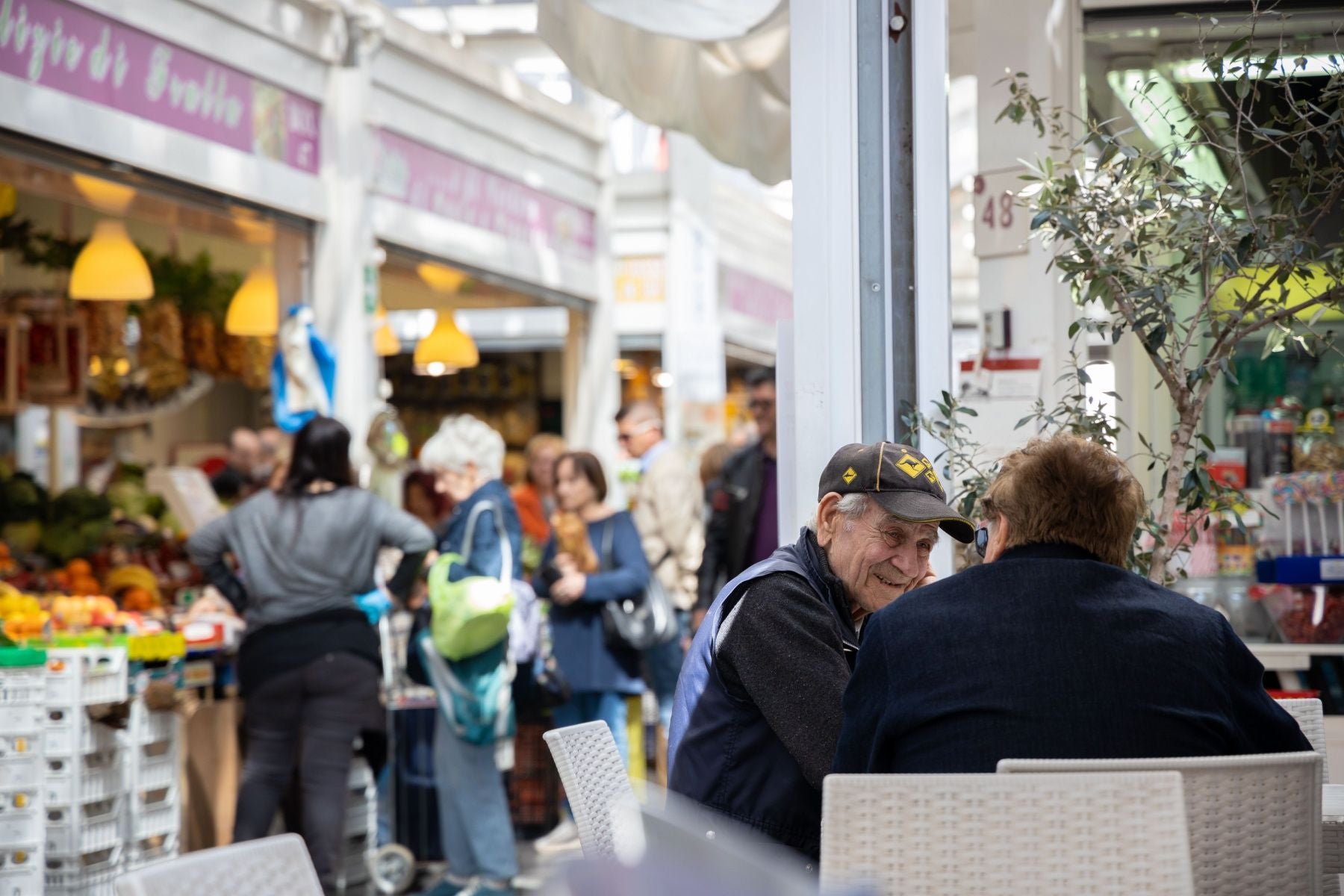
Choosing the right neighborhood is essential when eating out in Rome, especially if you want to experience traditional dishes and seasonal cooking. Certain areas are known for classic Roman cuisine, local markets, and food traditions, which make them some of the best places to eat while visiting Rome in January.
Trastevere

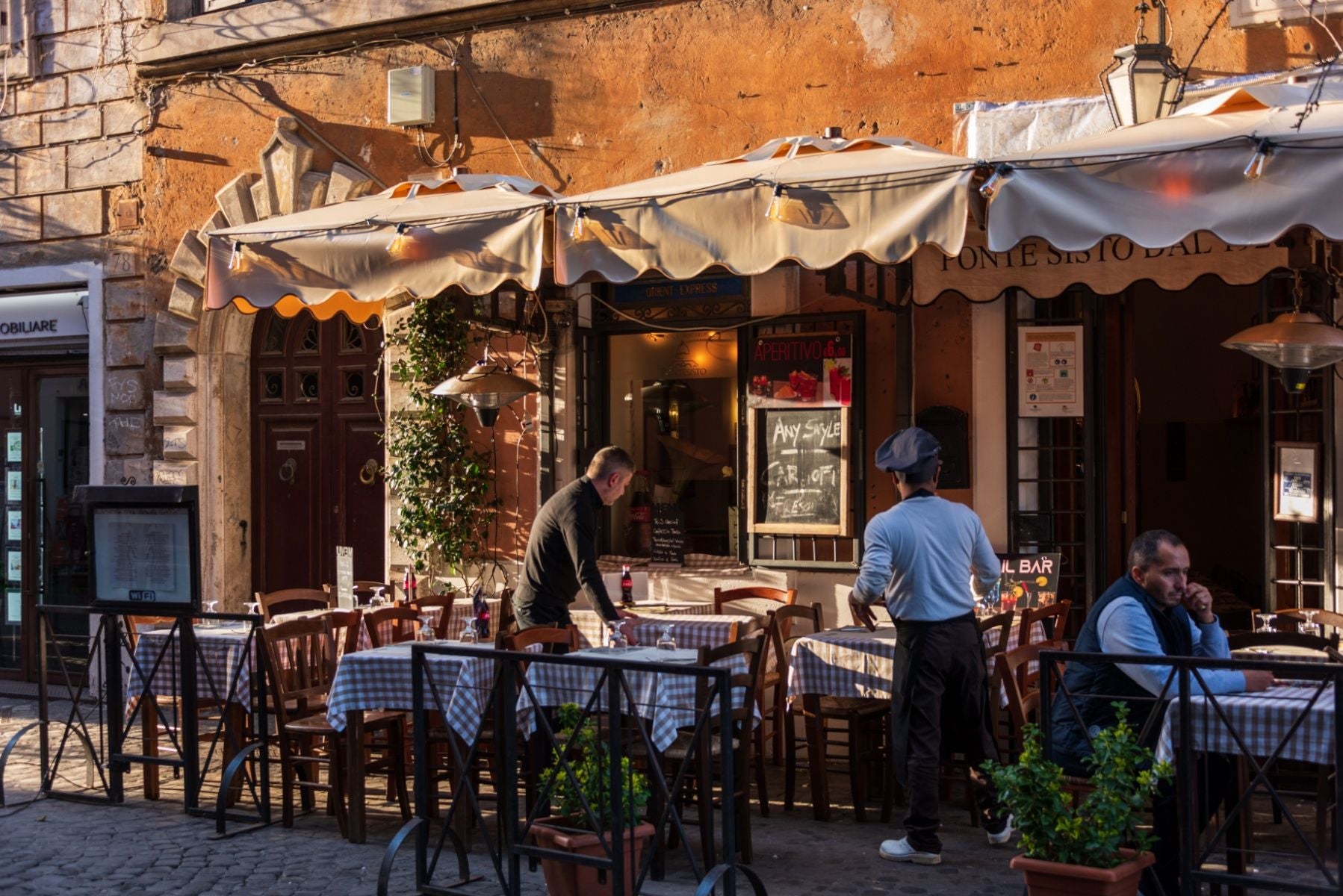
Trastevere is one of the most popular areas for food in Rome in January, thanks to its large number of traditional trattorias. Restaurants here serve classic Roman pasta dishes, along with street food and gelato. The neighborhood is lively in the evenings, and you can take a Trastevere food tour during twilight.
Testaccio

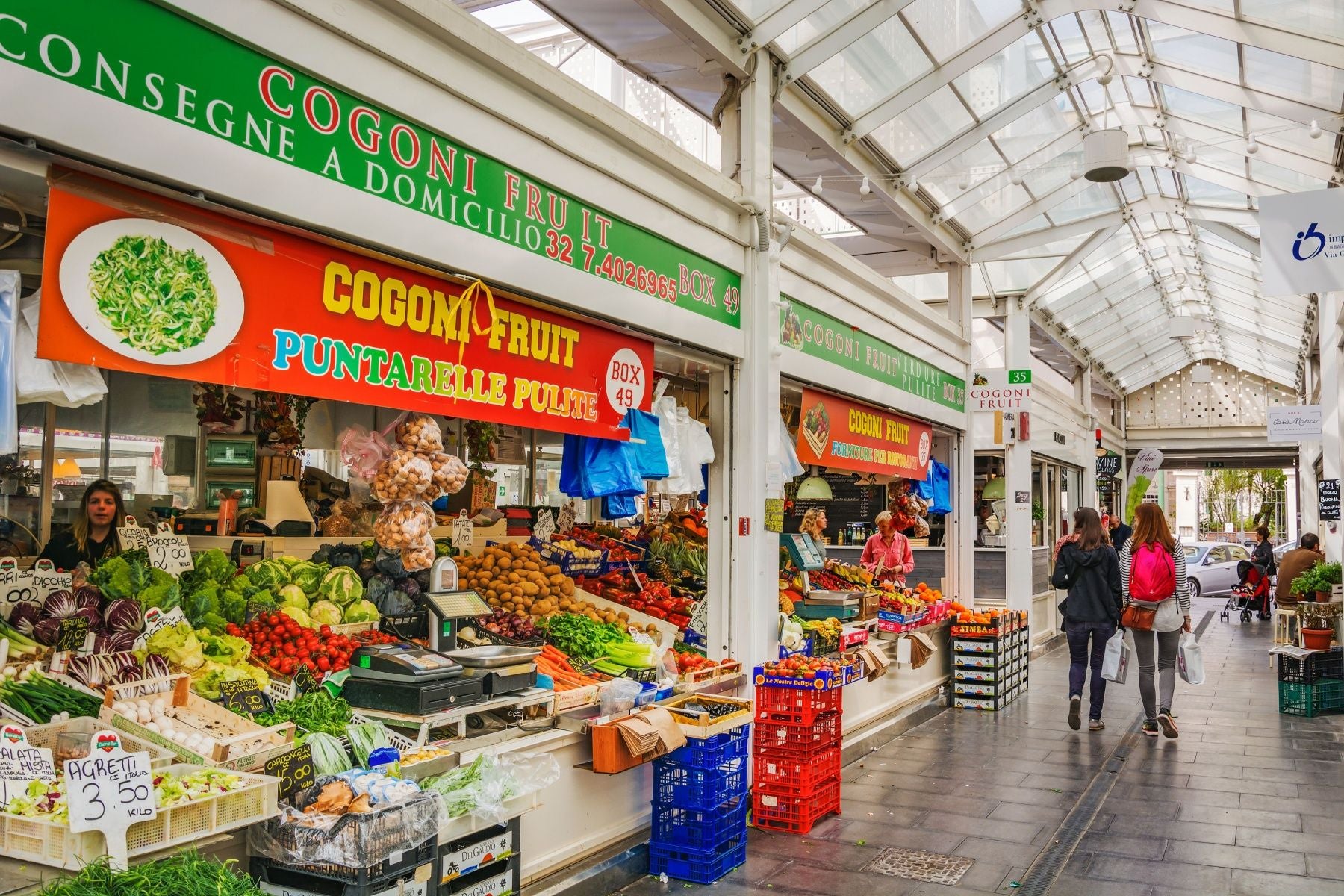
Testaccio is regarded as an authentic food neighborhood in Rome. It is associated with traditional Roman cooking, especially meat and offal dishes tied to the city’s working-class history. Mercato Testaccio is a key highlight, and the area is often explored through a guided Testaccio food tour.
Jewish Ghetto (Ghetto Ebraico)

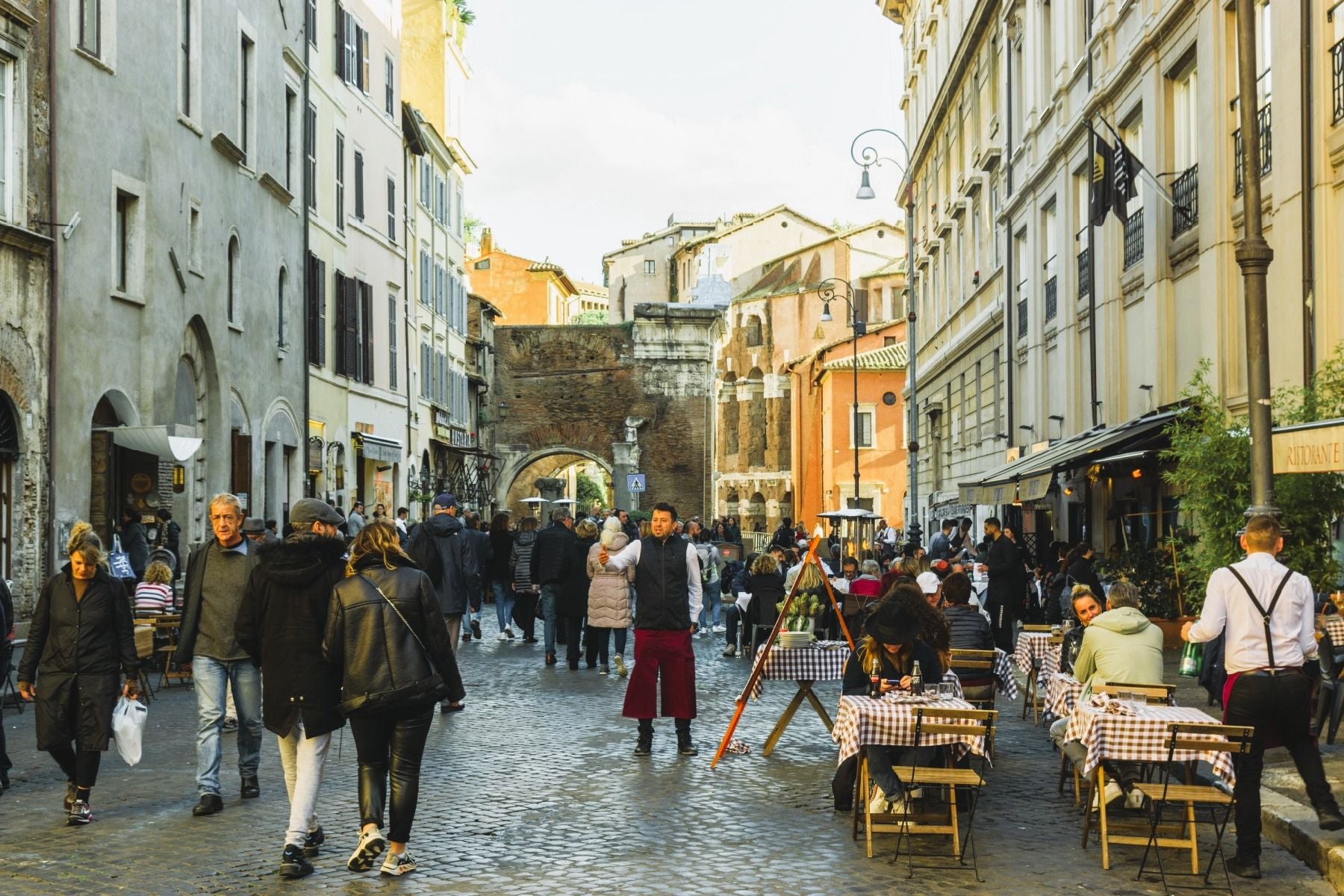
The Jewish Ghetto is known for its distinct Roman-Jewish culinary tradition, shaped by one of the oldest Jewish quarters in Europe. Dining here naturally combines food with historical context, which makes it a meaningful stop for those interested in a food, wine, and sightseeing tour in Rome.
Prati

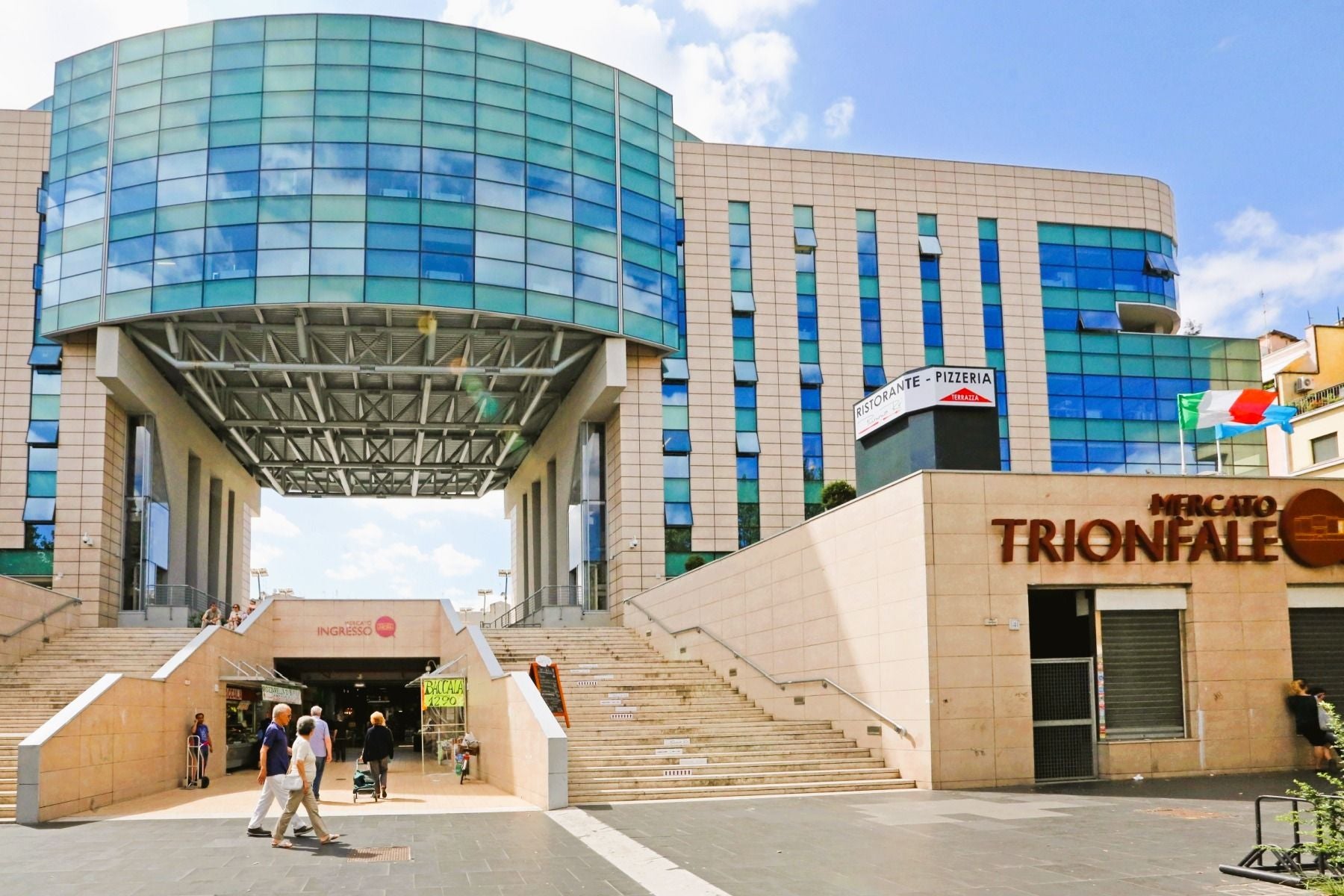
Prati is a residential neighborhood near the Vatican, which tends to be less tourist-driven than other central areas. Restaurants here focus on quality and local customers, and you can take a Trionfale Food Market tour to explore seasonal ingredients, local products, and everyday Roman food culture.
Cooking Classes in Rome

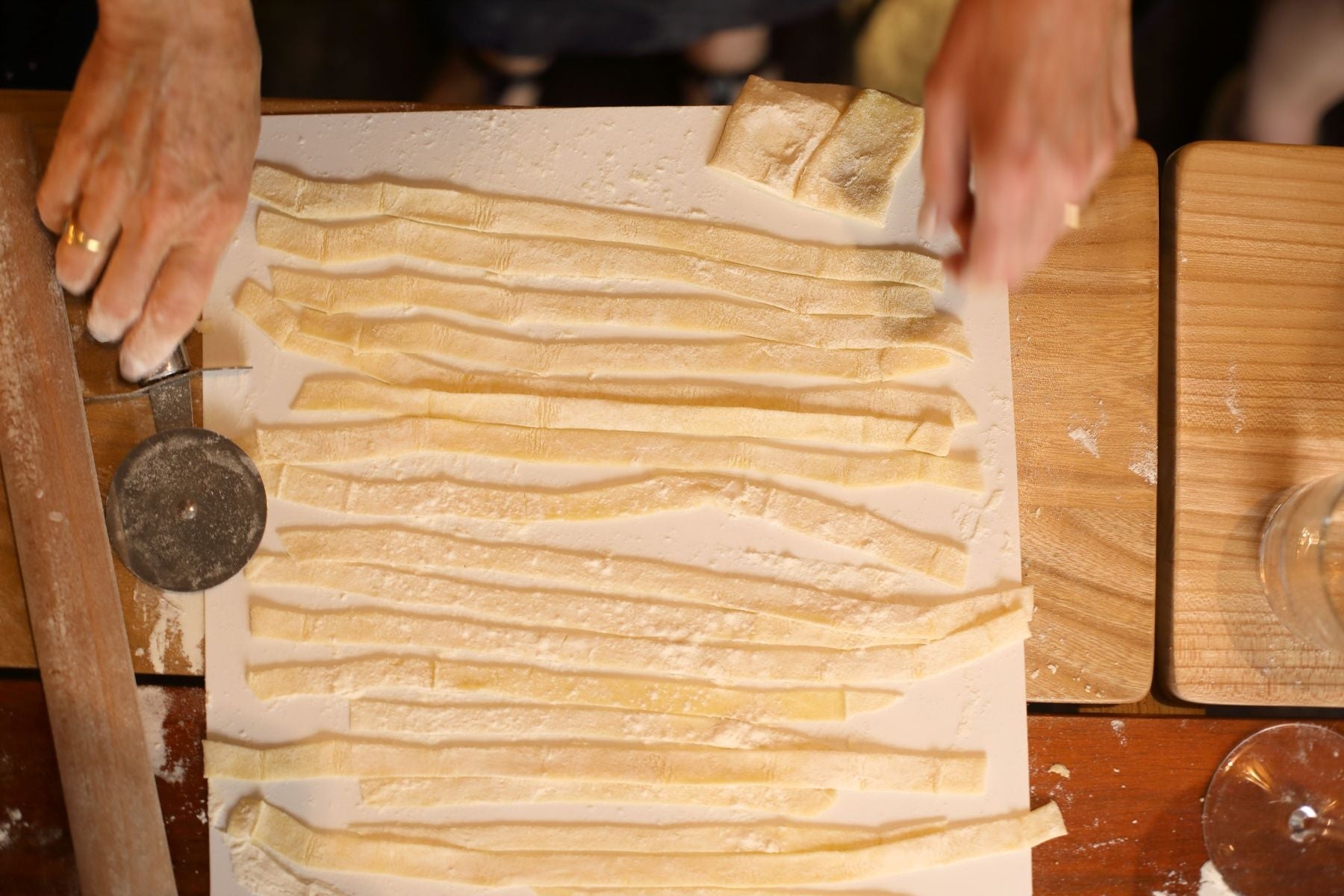
Taking cooking classes in Rome is a hands-on way to experience local food culture. Activities focus on core Italian recipes and are designed for small groups, which makes the experience personal and easy to follow.
For those interested in traditional techniques, a pasta-making class in Rome is one of the most popular choices. These sessions focus on preparing fresh pasta dough by hand and shaping classic forms such as fettuccine or ravioli, often paired with simple, traditional sauces.
Another common option is a pizza-making class in Rome, which focuses on dough preparation, stretching techniques, and baking methods. Participants learn how ingredients and fermentation times influence texture and flavor.
If you prefer something lighter, a dessert-focused class in Rome shifts attention to Italian sweets such as gelato, tiramisu, and cannoli. Instruction usually covers gelato ingredient balance and churning techniques, tiramisu layering and flavor contrast, and cannoli fillings made with fresh ricotta.
January Events and Holidays in Rome

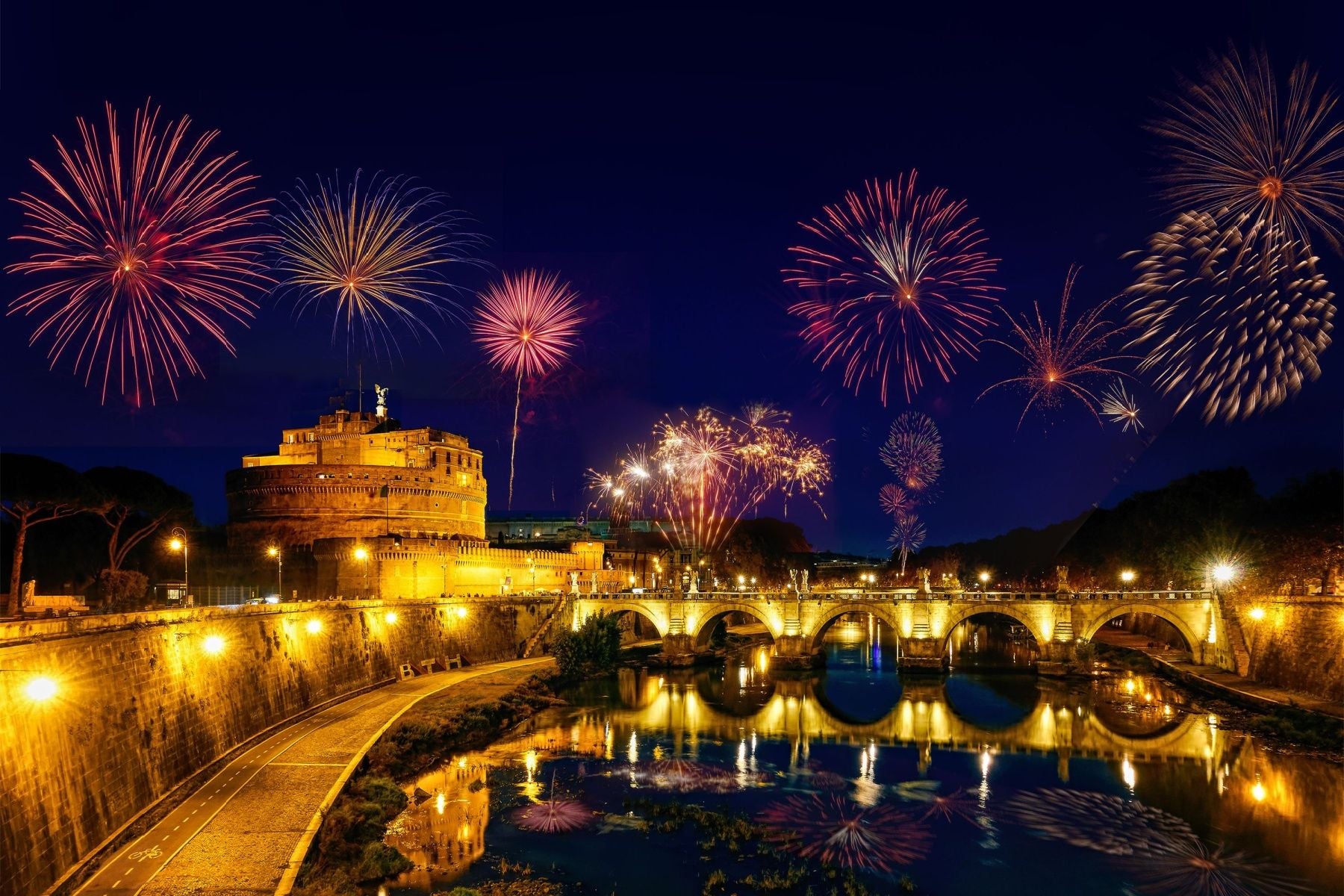
January in Rome includes religious holidays, local traditions, cultural events, and seasonal shopping periods. These dates can affect opening hours, crowd levels, and transportation, especially during the first half of the month.
Solemnity of Mary, Mother of God (January 1)

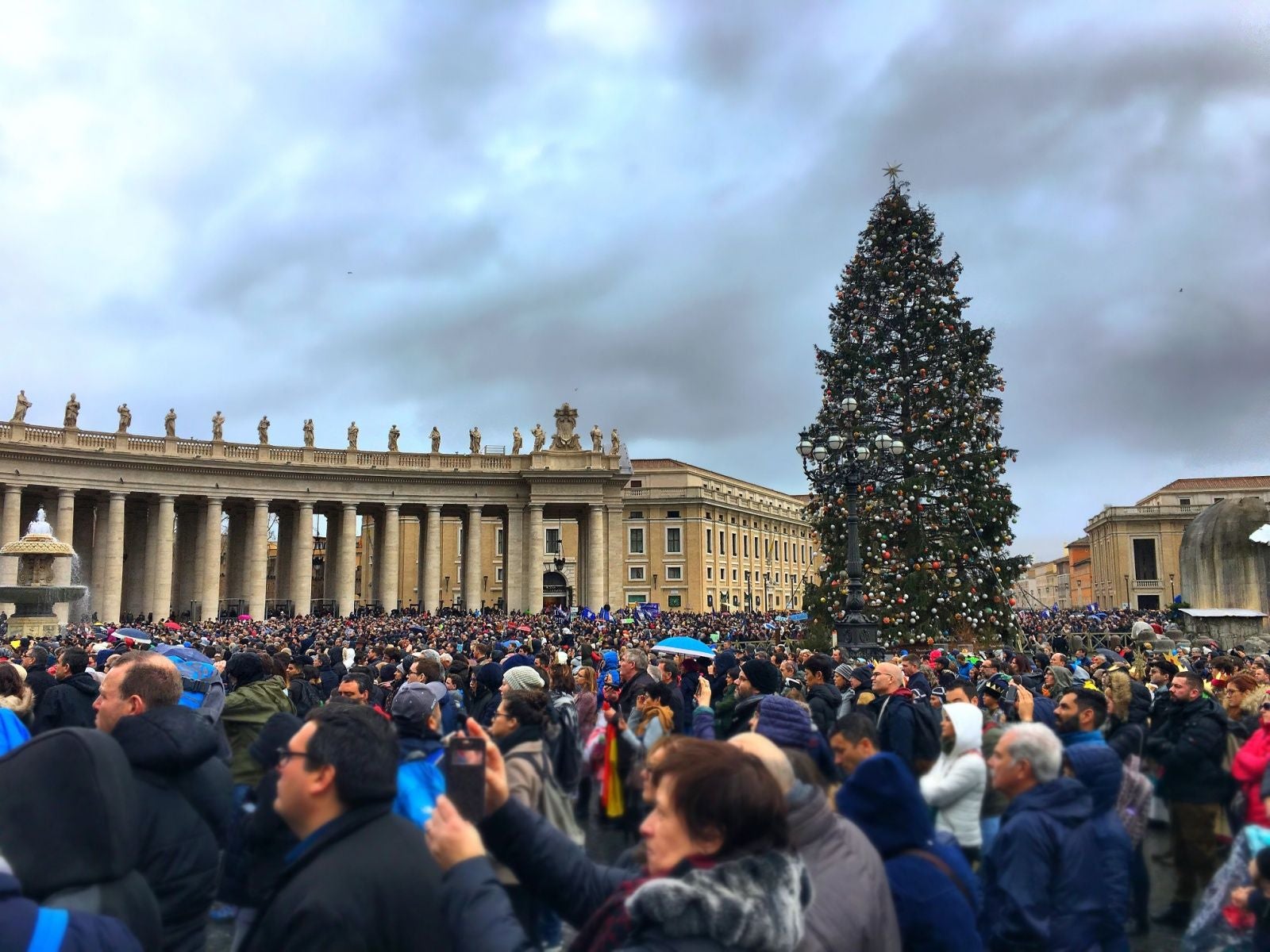
January 1 is a major public holiday in Italy. Most businesses and main attractions, including the Colosseum and Vatican Museums, are closed.
At noon, Pope Francis typically delivers the Angelus public blessing in St. Peter’s Square. The event is free to attend, but expect huge crowds and heightened security lines around the Vatican.
Tuffo nel Tevere (January 1)

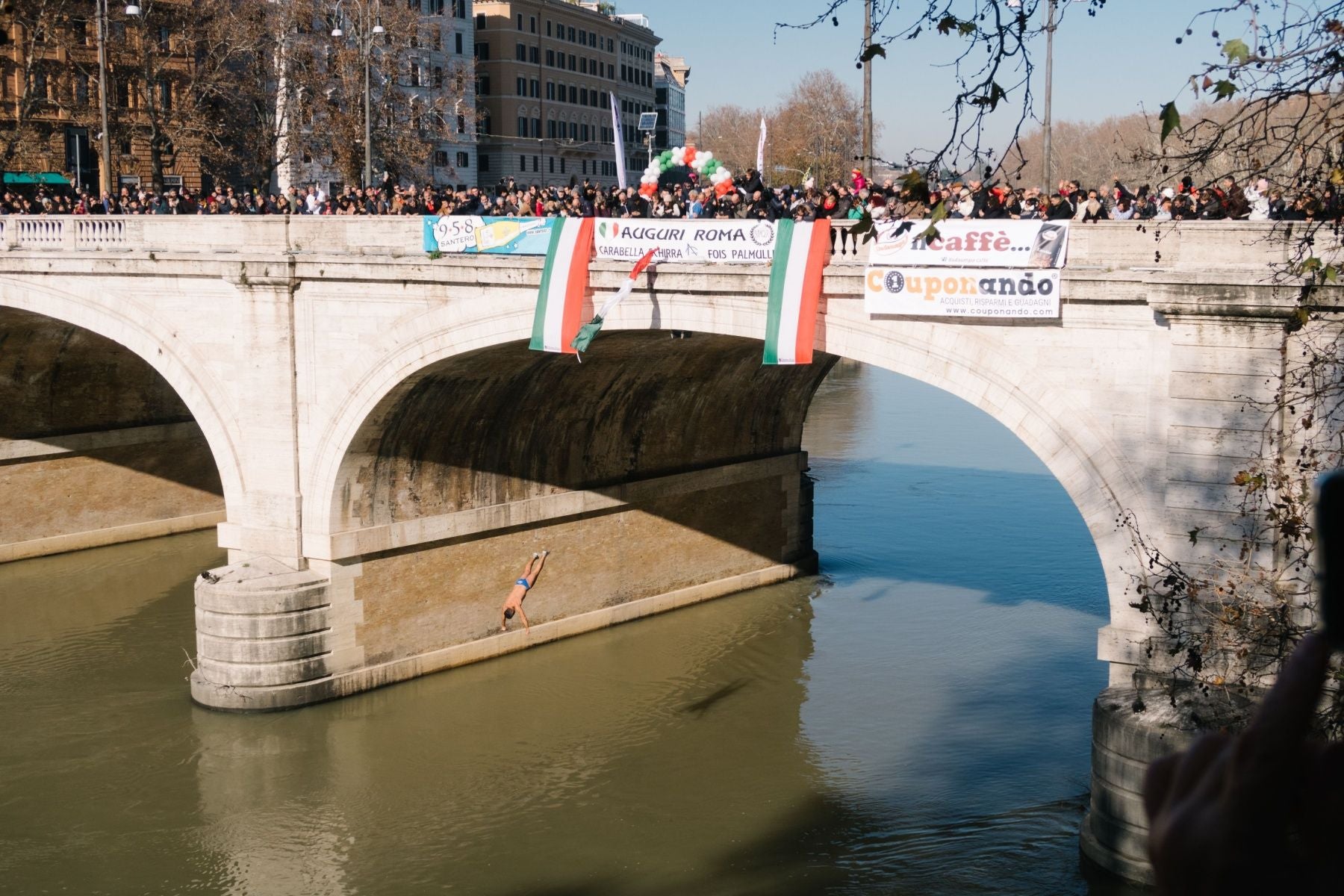
Also on New Year’s Day, Romans gather along the Tiber River for the Tuffo nel Tevere, a quirky local tradition where experienced swimmers dive into the cold river from Ponte Cavour at noon. It draws a large number of spectators and creates congestion along the riverbanks and nearby streets.
Epiphany & La Befana in Piazza Navona (January 6)

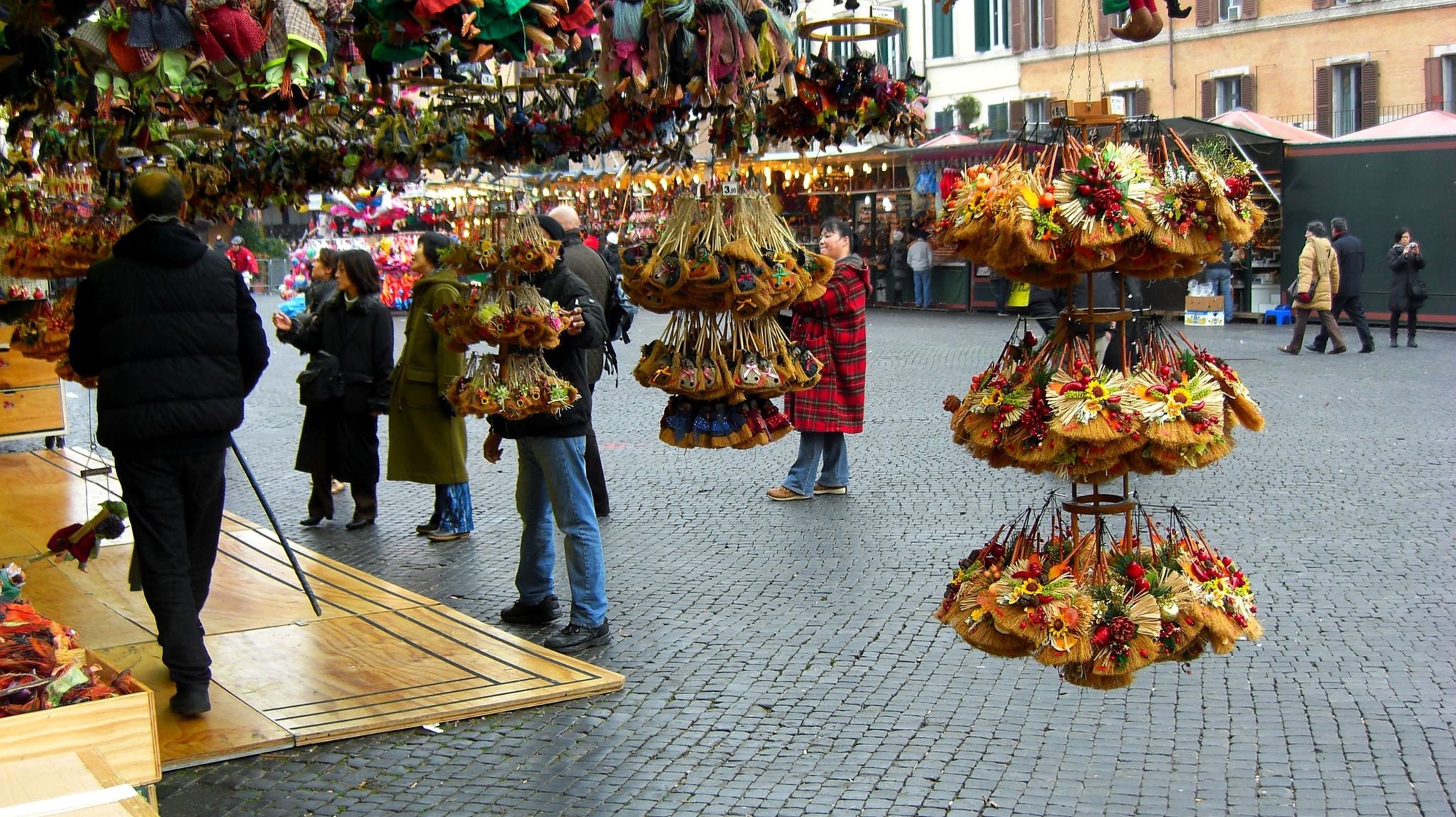
January 6 marks Epiphany, a major public holiday in Italy and the official end of Christmas. In Rome, celebrations center on Piazza Navona, where La Befana, a folkloric figure associated with gift-giving, traditionally arrives in the morning. The square fills quickly, and crowd levels remain high throughout the day.
In the days leading up to Epiphany, Piazza Navona maintains a festive atmosphere with seasonal stalls selling sweets, toys, and Befana-themed items. On January 6 itself, many shops and offices are closed, and public spaces around Piazza Navona experience heavier foot traffic than usual.
Blessing of the Animals (January 17)

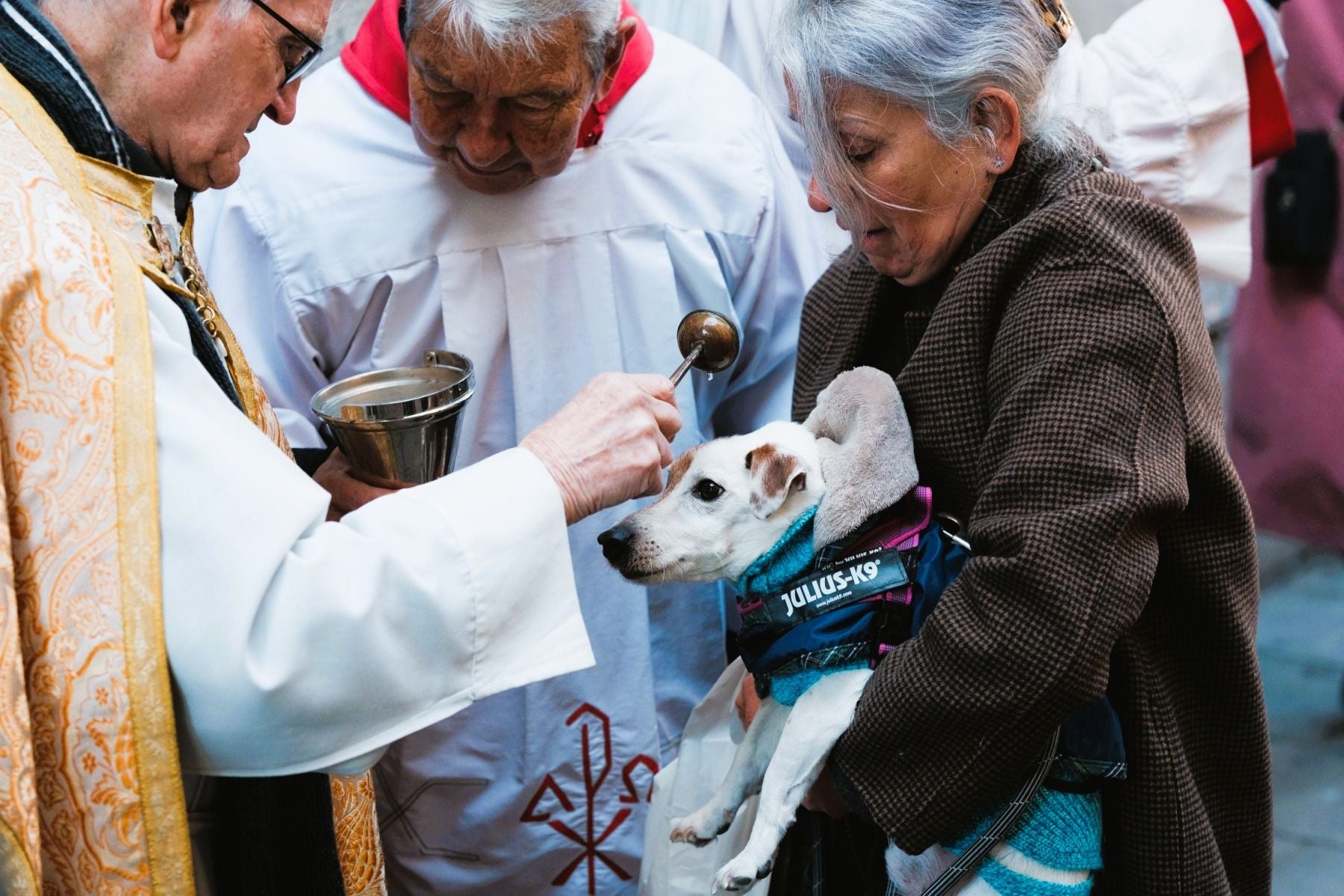
Held for the Feast of St. Anthony the Abbot, this event sees farmers and pet owners bring animals for blessings, often near St. Peter’s Square, around Piazza Pio XII. Horses, dogs, and even livestock are commonly present, which makes it a unique cultural event and a notable photo opportunity.
Domenica al Museo (First Sunday of January)

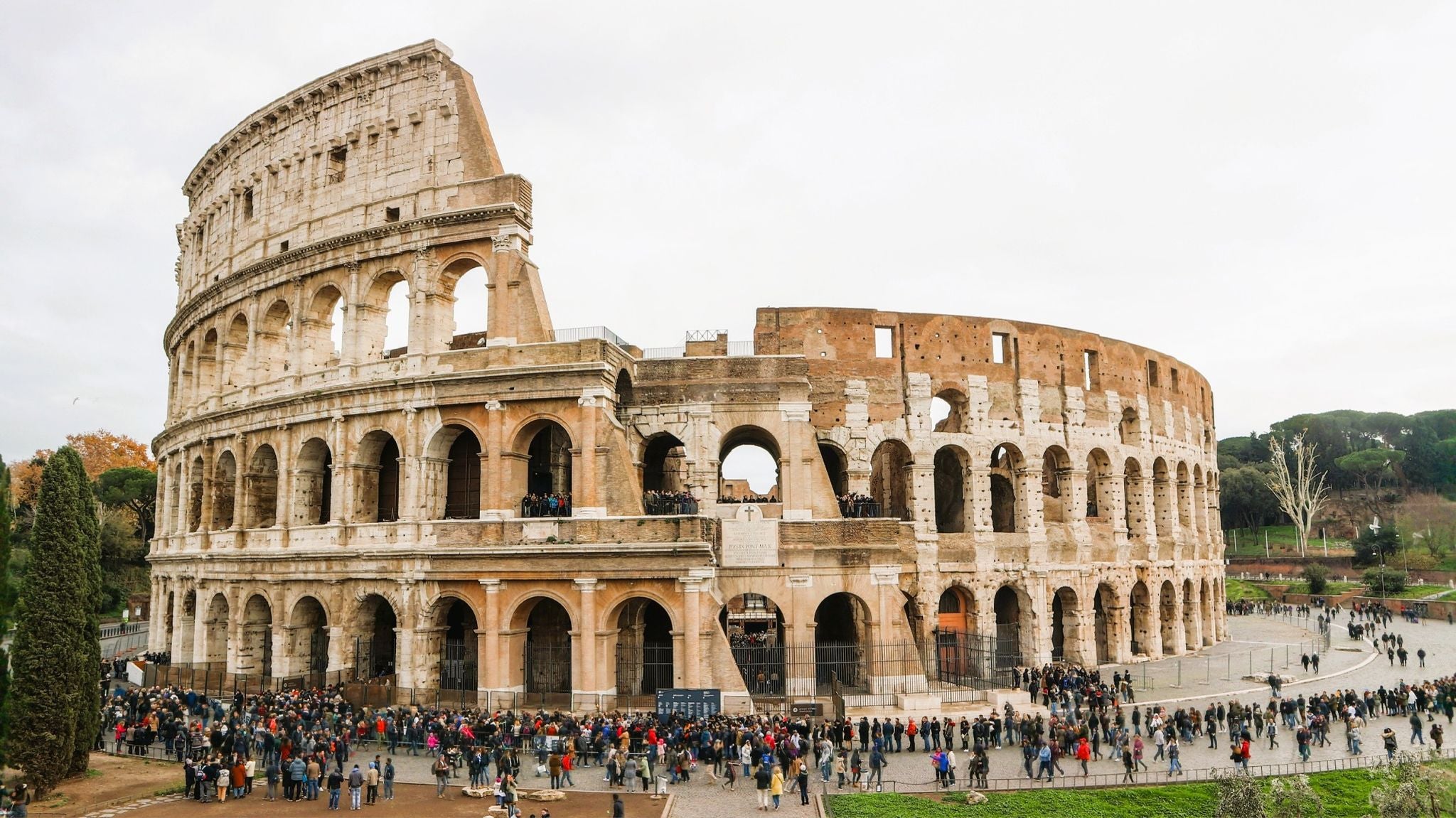
On the first Sunday of the month, state-run museums usually offer free entry as part of Domenica al Museo. This typically includes the Colosseum, Roman Forum, and Galleria Borghese. The Vatican Museums are not included. Expect long queues and crowded conditions despite the winter season.
Rome’s Winter Sales (Saldi Invernali)

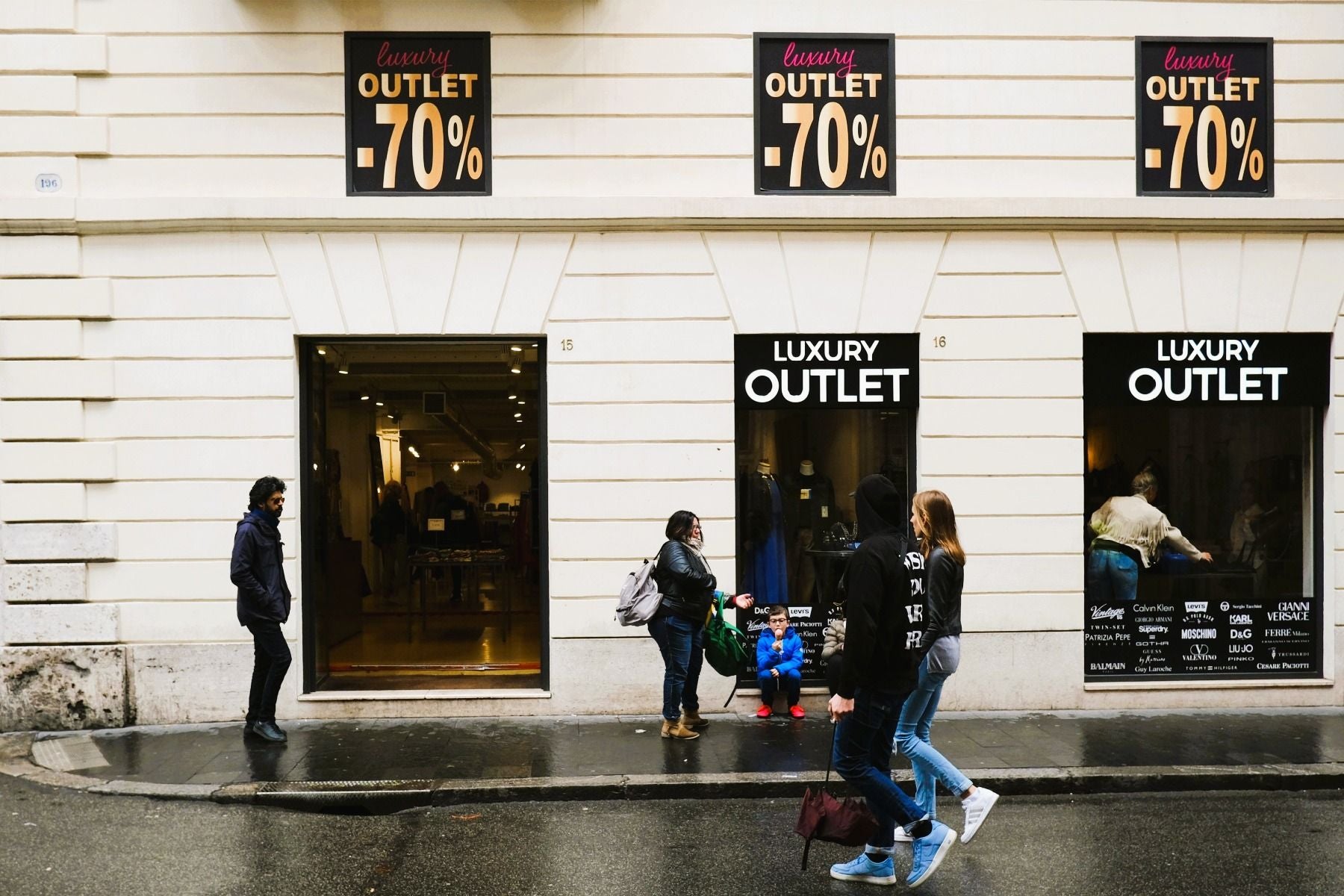
January is the main shopping season in Rome. The city-wide winter sales usually begin around January 3 or 4 and last for about six weeks, until mid-February. The first week offers the best selection, while bigger discounts are provided later, often reaching 50 to 70 percent.
Luxury shopping in Rome is concentrated around Via dei Condotti, Via Borgognona, and Via Frattina near the Spanish Steps, an area known for Italian and international designer brands. From there, shopping extends along Via del Corso, where you will find a wide range of mid-range and high-street stores.
For a broader selection under one roof, La Rinascente and Galleria Alberto Sordi offer a mix of fashion, cosmetics, and home goods. If you prefer a more local feel, Via Cola di Rienzo in Prati is known for quality Italian boutiques, while the Monti district is a good place to browse vintage shops and independent designers.
Day Trips From Rome in January


Day trips from Rome in January are ideal for exploring Italy’s history, landscapes, and regional culture without peak-season crowds. Cooler temperatures and quieter destinations make winter especially well-suited to archaeological sites, historic towns, and scenic regions.
Pompeii

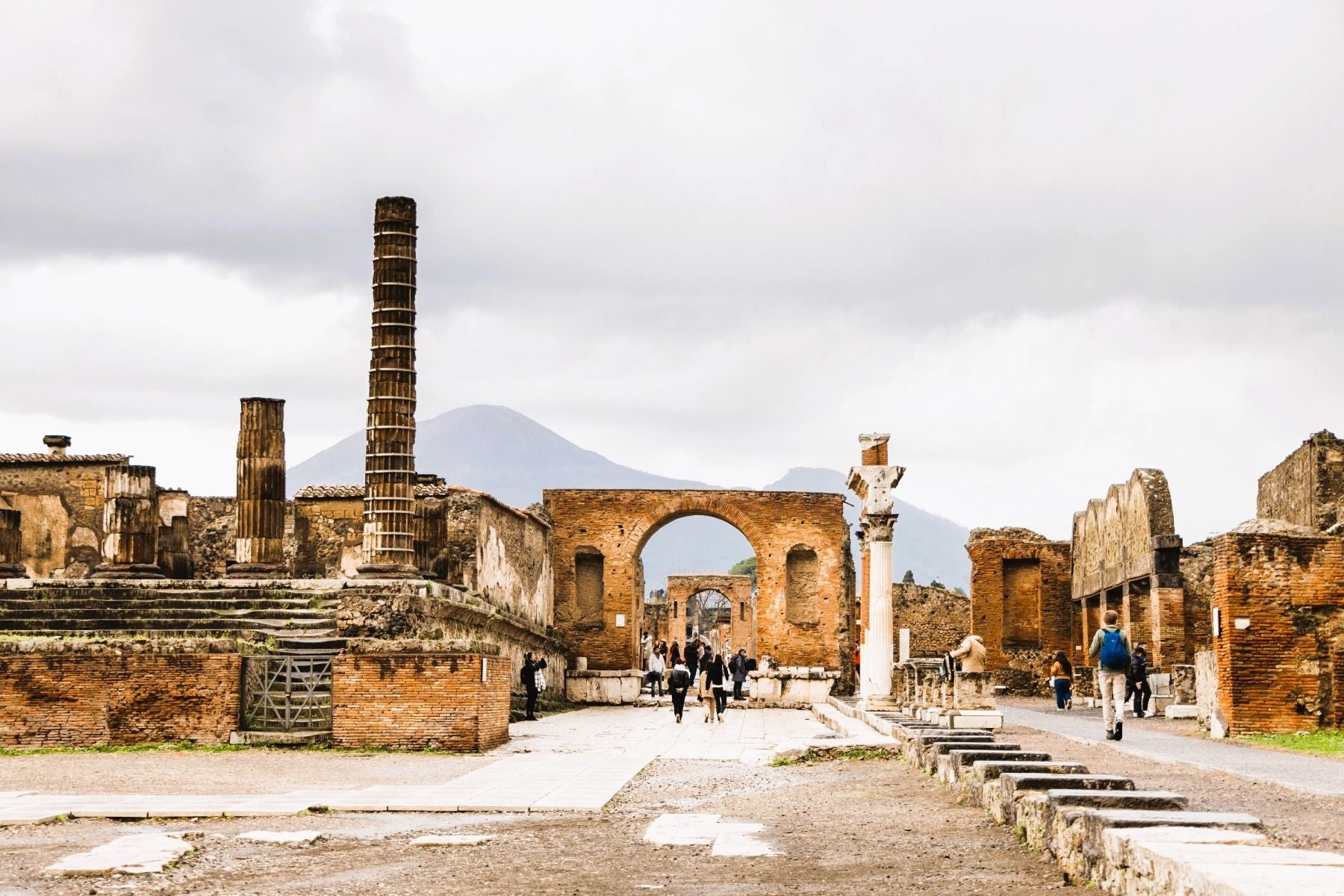
A guided day trip to Pompeii takes you to one of Italy’s UNESCO World Heritage Sites. The archaeological area preserves an entire Roman city, frozen in time after the eruption of Mount Vesuvius in 79 A.D. January’s cooler weather makes walking through the expansive ruins far more comfortable than in warmer months.
Tuscany

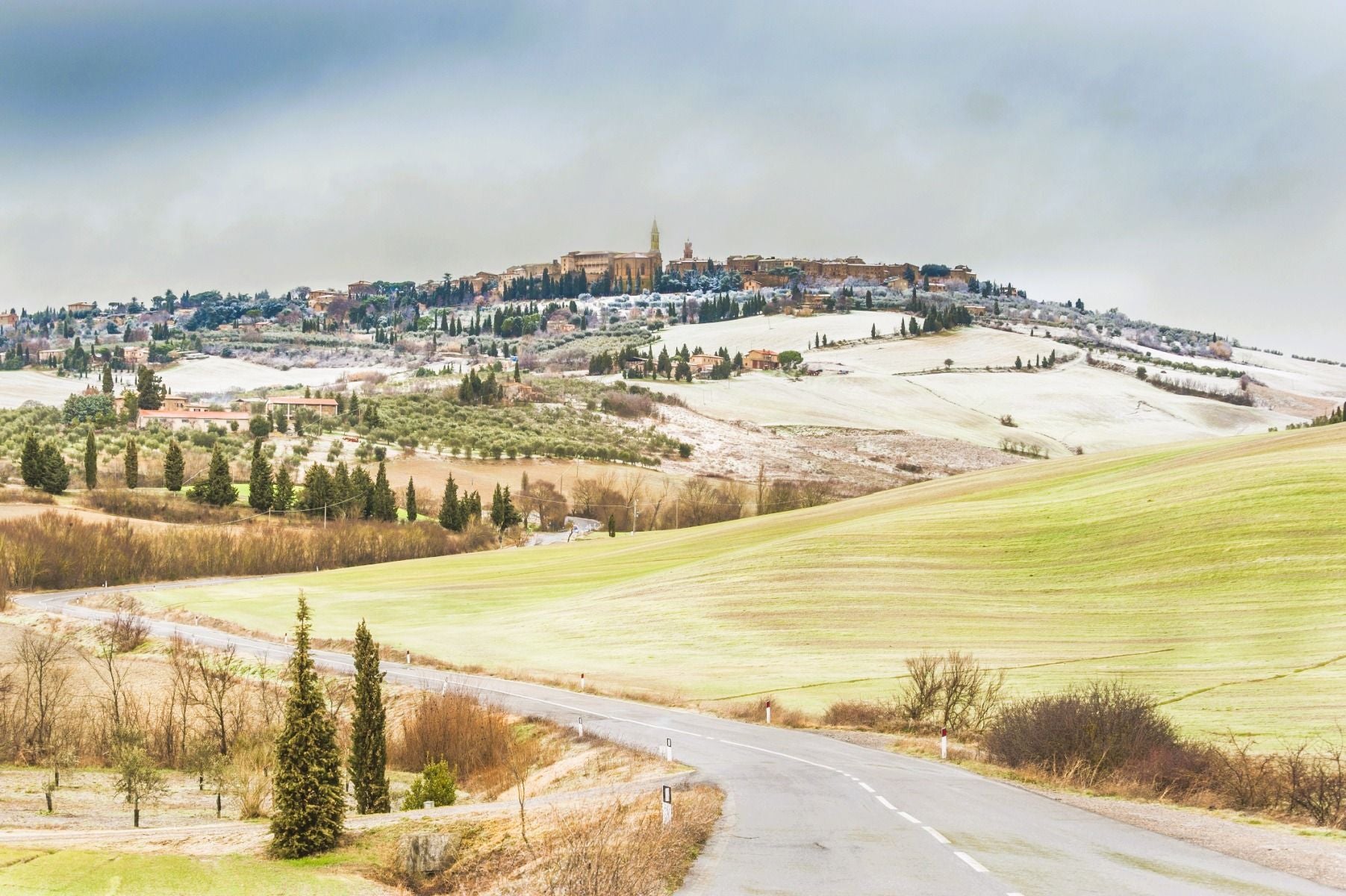
Rolling countryside, medieval hill towns, and regional food define central Italy. A Tuscany day trip from Rome often includes places like Montepulciano or the Val d’Orcia, with scenic views, local cuisine, and a slower pace in January.
Amalfi Coast

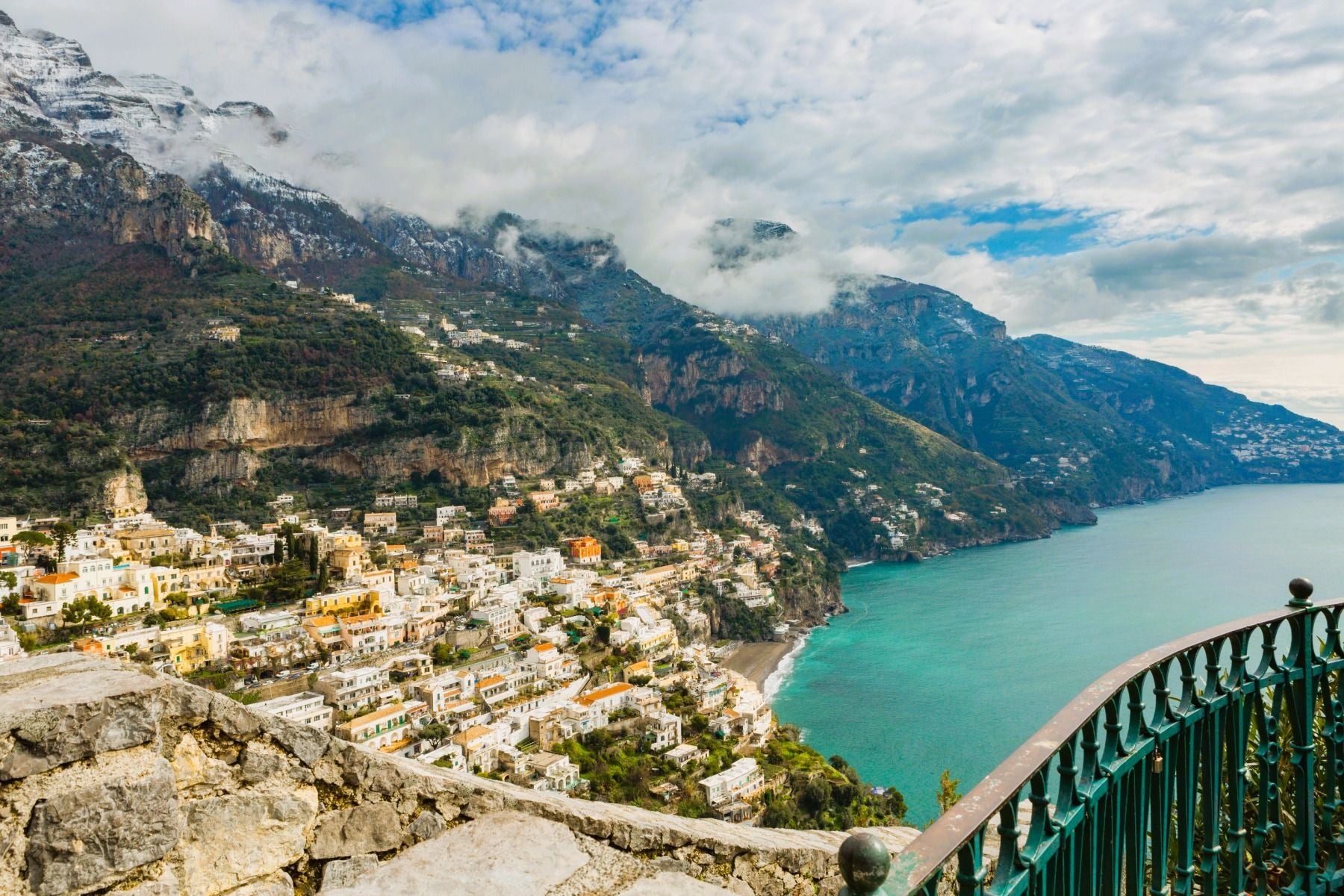
An Amalfi Coast day trip showcases one of the world’s striking coastal landscapes. Colorful towns cling to steep cliffs overlooking the sea, with Positano as the most recognizable stop. While January is not suitable for swimming or beach activities, the scenery remains dramatic, and the streets are far less crowded.
Assisi and Orvieto

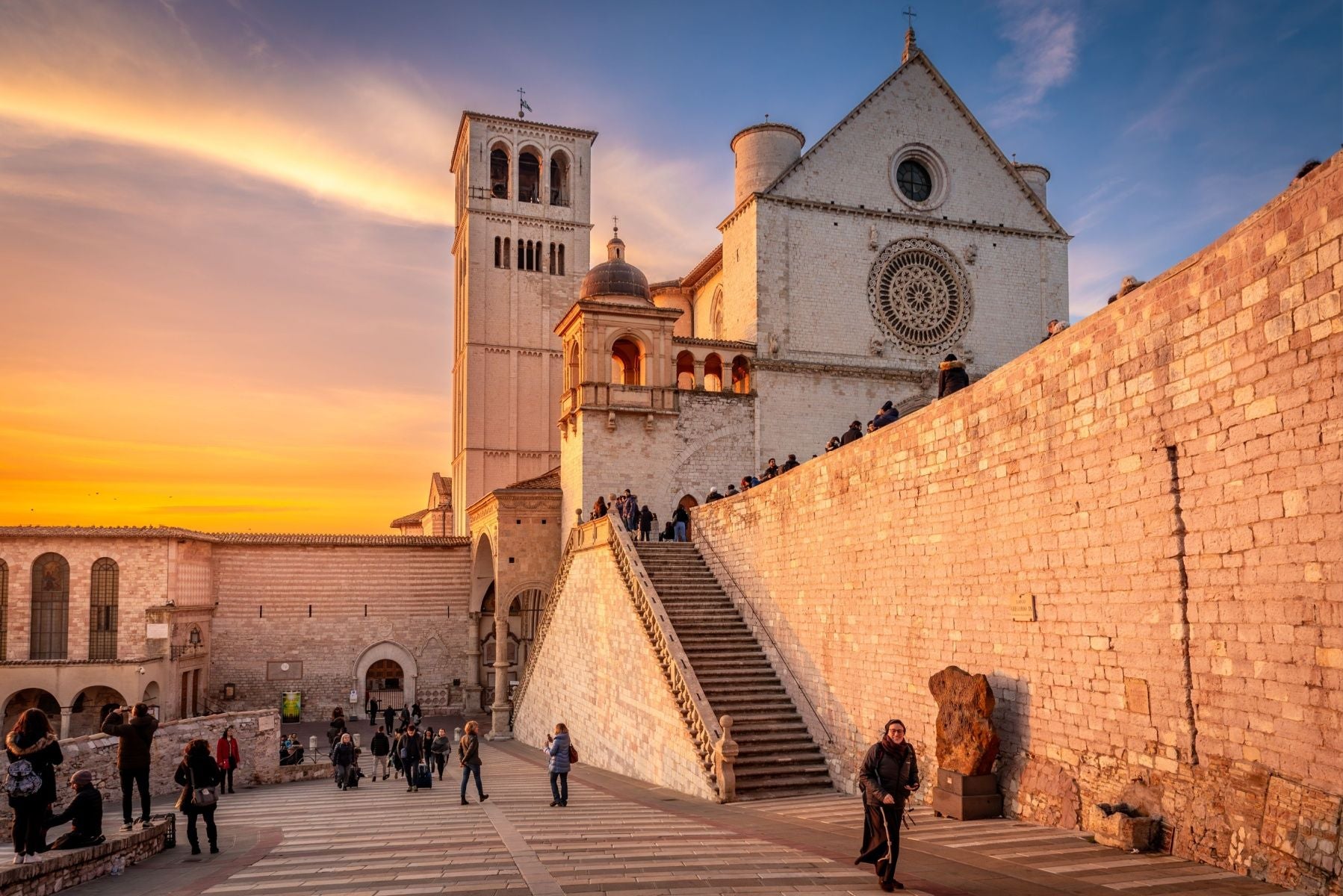
A day trip to Assisi and Orvieto offers insight into Italy’s religious and medieval heritage. Assisi, the birthplace of Saint Francis, and Orvieto, known for its ornate Duomo, are quieter in January, which makes it easier to explore their historic centers at a relaxed pace.
Travel Tips for Visiting Rome in January

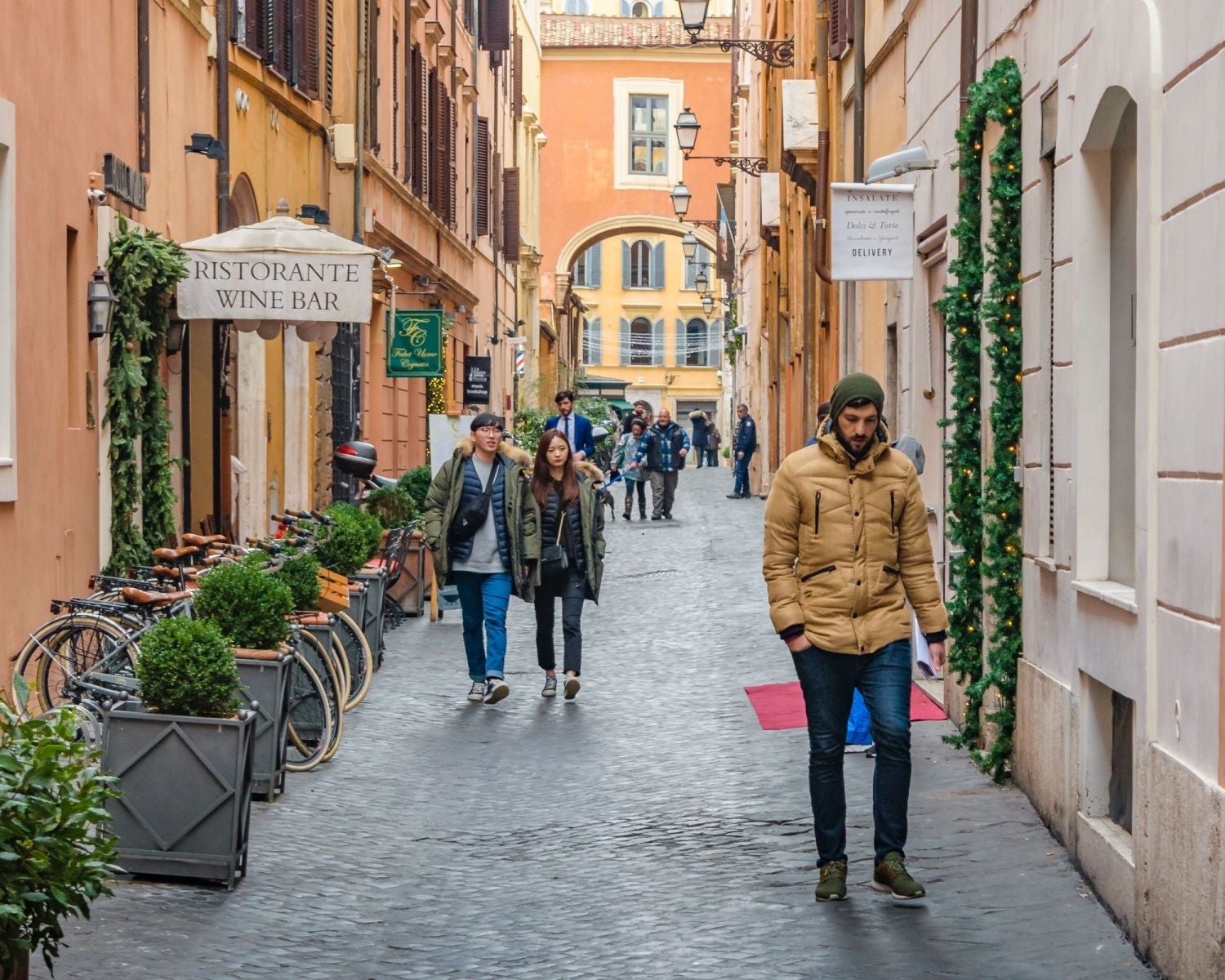
Planning ahead makes a real difference when visiting Rome in January. While winter crowds are lighter, popular attractions, transport, and museums still benefit from advance planning, especially if you want to move efficiently and avoid unnecessary waiting.
Plan Ahead for Rome’s Top Attractions

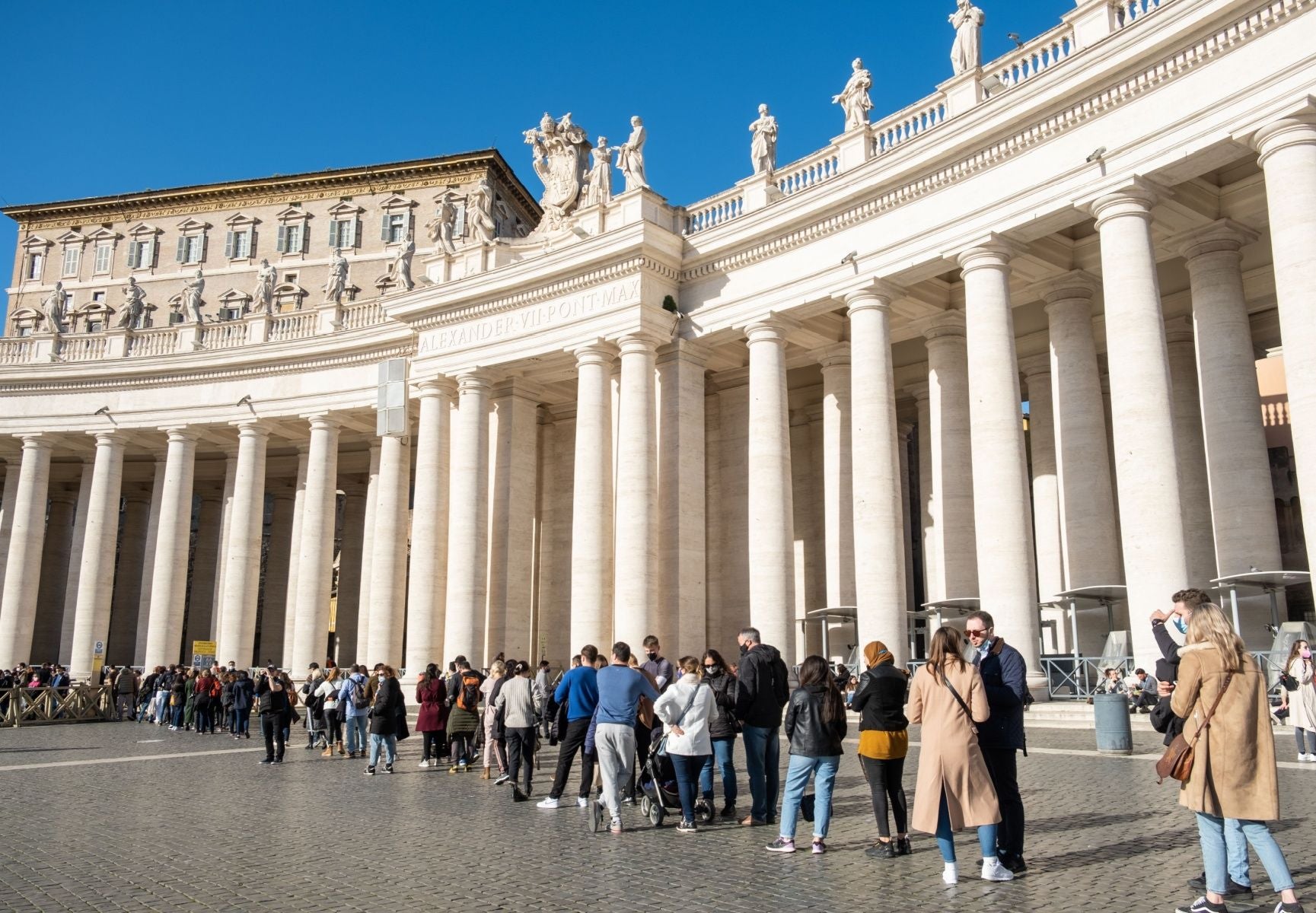
Even in the low season, Rome’s most popular sights still require advance planning. Tickets for the Colosseum, Vatican Museums and Sistine Chapel, and Borghese Gallery often sell out weeks ahead. Booking online secures your entry time and helps you avoid long queues once you arrive.
In early January, planning matters even more because the first day of the month brings widespread closures at major sites, while January 6 closes the Vatican Museums and Sistine Chapel and shifts other attractions to holiday schedules.
If you are considering a city pass, it helps to compare options carefully. The Roma Pass includes unlimited public transport plus free entry to one attraction with the 48-hour pass or two attractions with the 72-hour pass. However, it does not include the Vatican Museums or St. Peter’s Basilica.
The Omnia Rome bundles public transport with Vatican access, including the Vatican Museums, Sistine Chapel, and St. Peter’s Basilica. It comes with a higher price but is a good option if you plan to visit several included attractions.
For many visitors, the most flexible and cost-effective option is a standard ATAC multi-day transport ticket combined with individually pre-booked attraction tickets. This approach works especially well for shorter stays or itineraries focused on a few key sites.
Getting Around Rome Efficiently in January

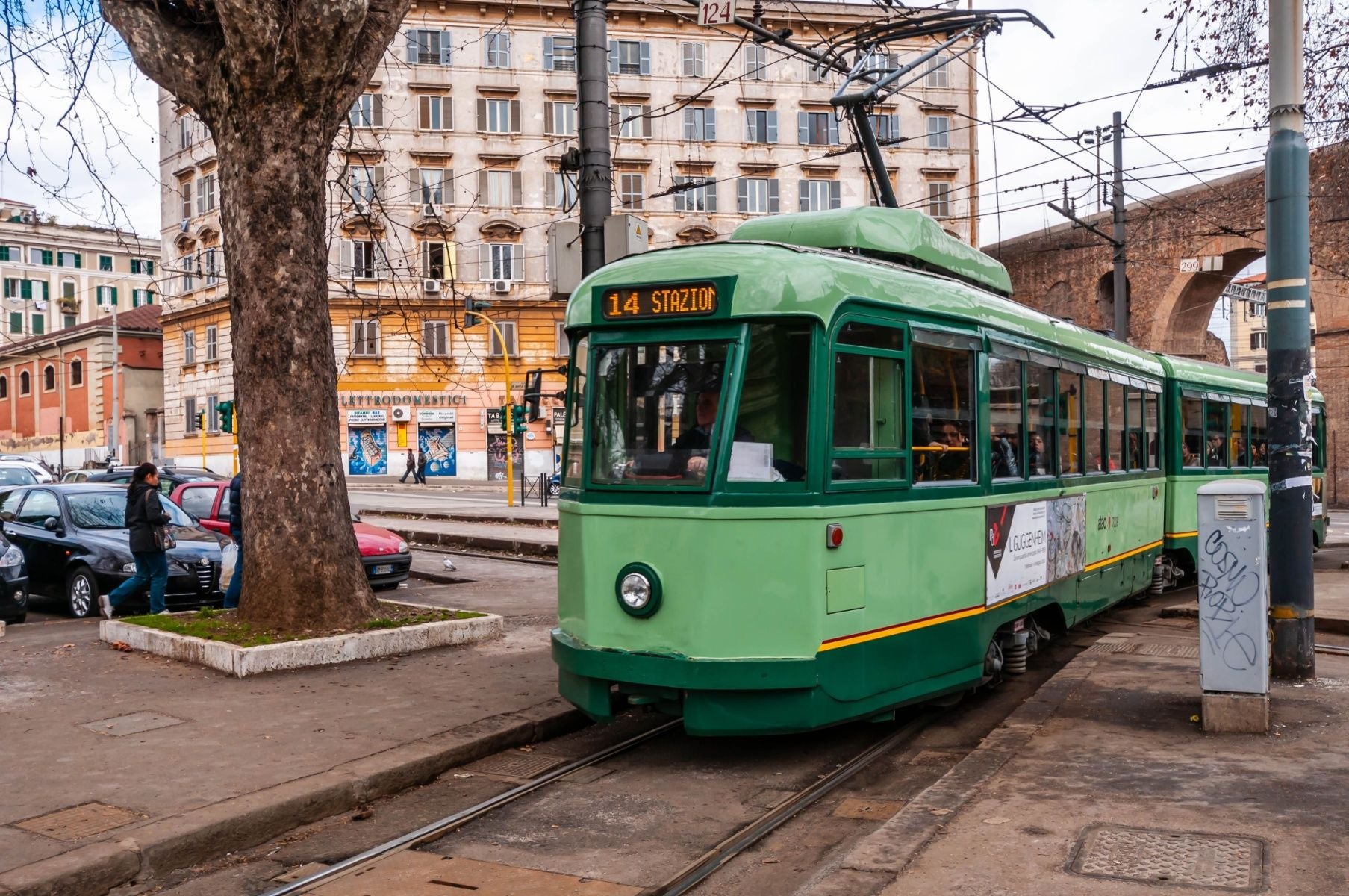
Rome is still best explored on foot in January. Cooler temperatures make walking through the historic center comfortable, and many major sights sit close together. For longer distances, the metro remains the fastest option, especially Lines A and B, which intersect at Termini Station.
Buses and trams fill in gaps where the metro does not reach, including Trastevere and the Pantheon area. Tram 8 is particularly useful for Trastevere. Night buses marked with an “N” also replace regular services after about 23:30, or later on weekends, and are helpful if you stay out late.
To manage crowds during the New Year period, the city often adds temporary services through January 6. That said, public transport runs on a reduced Sunday or holiday timetable. On New Year’s Day, metro and bus services often start later in the morning, usually around 8:00.
Free electric shuttle buses, commonly labeled Free 1 and Free 2, may run between Termini, Ostiense, and the historic center around Via del Corso and Largo Chigi. The electric Line 100, which loops through the Tridente shopping area near the Spanish Steps, is also often free during this period.
One thing to watch out for is evening metro maintenance. Starting in early January, Rome often schedules construction work on metro lines, especially Lines A and B. This can lead to early evening closures, sometimes as early as 21:00. If you plan to stay out late, check the ATAC website for updates.
Taxis are often the easiest option on cold or rainy evenings and during holiday schedules. Stick to official white taxis using the meter and avoid unmarked cars offering rides near major attractions or stations.
Where To Stay in Rome in January

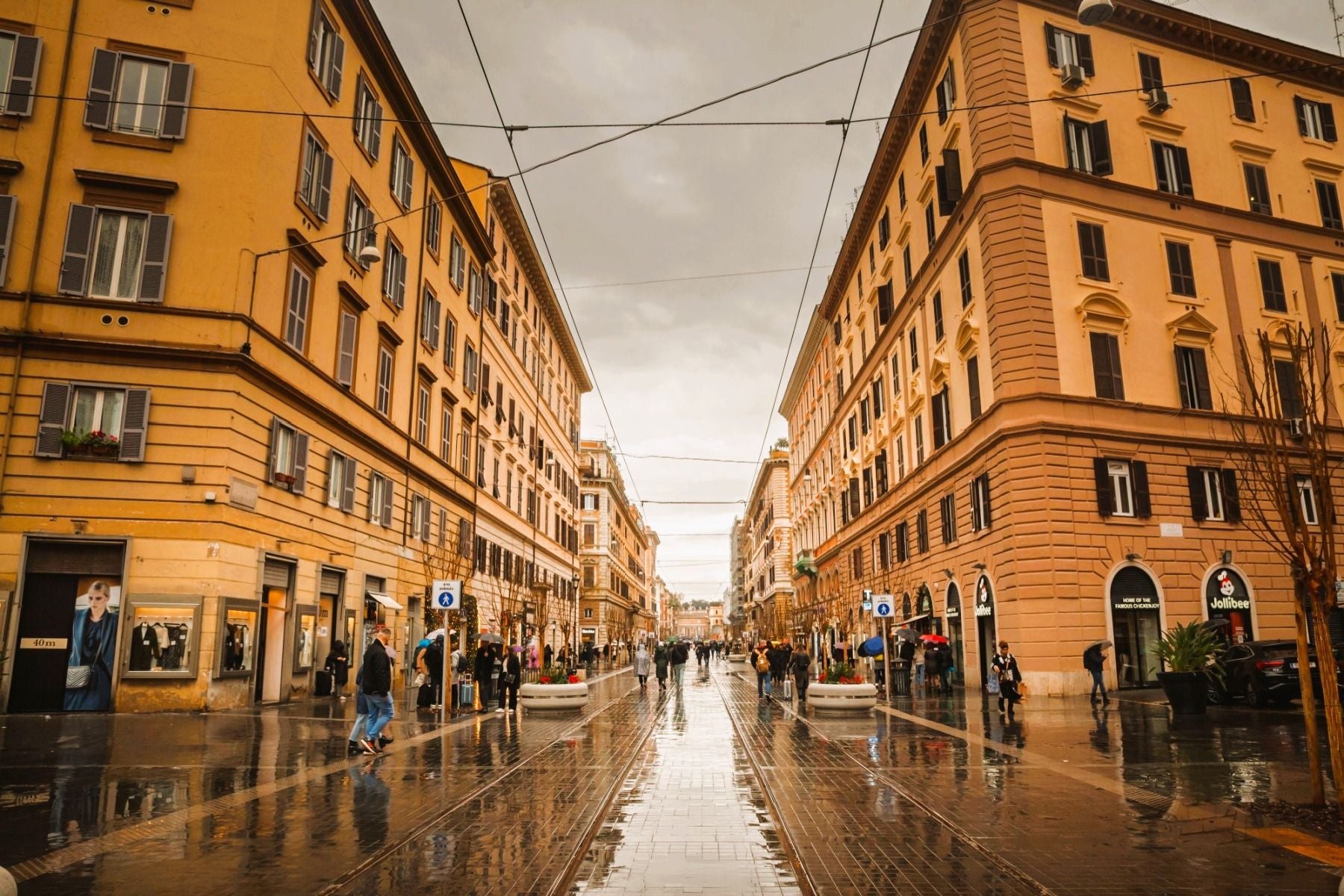
January is one of the best months of the year for accommodation value in Rome. Outside of the New Year’s Eve and January 1 period, prices for Rome’s hotels drop noticeably, with the best rates appearing after January 6, once the holiday season officially ends.
Because overall visitor numbers are low, January gives you more flexibility when choosing where to stay. Neighborhoods that are often expensive or fully booked during peak season, such as Monti, Prati, or the historic center, become more accessible at lower rates.
Monti remains a strong choice thanks to its central location and easy access to the Colosseum and the metro. Prati works well if your plans focus on the Vatican and you prefer a quieter atmosphere. Staying near the Pantheon or Piazza Navona allows you to walk almost everywhere.
The Termini Station area continues to offer the widest range of budget accommodations and the strongest transport connections, though it lacks the character of Rome’s historic neighborhoods.
Frequently Asked Questions About Rome in January
Planning a winter trip comes with practical questions, especially around weather, closures, and logistics. This FAQ covers the most common things travelers want to know when organizing Rome itineraries in January, from sightseeing and transport to food, events, and day trips.
Is Rome in January a good time to visit?
Yes. Rome in January is one of the best times to visit if you prefer fewer crowds and a slower pace. Outside of the first week of the month, visitor numbers drop significantly, which makes it easier to enjoy major landmarks and museums without long waits.
What is the weather like in Rome in January?
The weather in Rome in January is cool and seasonal. Average temperatures range between 39 F and 54 F (4 C and 12 C). Days are often crisp, with occasional rain. Winter conditions make museums, churches, and indoor attractions especially appealing.
Are major attractions open in Rome in January?
Most attractions remain open in Rome in January, but holiday closures matter.
On January 1, sites such as the Colosseum, Roman Forum, Vatican Museums, and Borghese Gallery are closed or operate with limited hours. On January 6, the Vatican Museums and Sistine Chapel are closed, while other attractions follow holiday schedules.
Do I need to book attractions in advance for Rome in January?
Yes. Even during the low season, booking is recommended. Timed-entry tickets for the Colosseum, Vatican Museums, Sistine Chapel, and Borghese Gallery often sell out weeks ahead. Booking early helps secure preferred time slots for Rome itineraries in January.
How does public transport work in Rome in January?
Public transport runs year-round, but in January includes reduced schedules on January 1 and January 6. Services often begin later on New Year’s Day. Temporary holiday shuttles may operate near the historic center, and early evening metro closures can occur due to maintenance.
What seasonal food should I try in Rome in January?
Rome in January highlights winter cooking. Look for carciofi (artichokes), puntarelle alla Romana (raw chicory salad), minestrone (vegetable soup), and chickpea or chestnut soups.
Classic Roman meat dishes are also common at this time of year, including coda alla vaccinara (oxtail stew) and abbacchio (baby lamb). Citrus-based desserts and thick cioccolata calda (Italian hot chocolate) round out the seasonal menu.
Are there special events in Rome in January?
Yes. January includes major religious and cultural events. Highlights include the Angelus blessing on January 1, La Befana celebrations in Piazza Navona on January 6, the Trame di Luce light show in Trastevere, and the Blessing of the Animals on January 17. Winter sales also begin early in the month.
Is Rome in January good for shopping?
Rome in January is one of the best times for shopping. The city-wide winter sales start shortly after January 6 and run through mid-February. Discounts are available across luxury boutiques, department stores, and high-street brands.
Where should I stay when visiting Rome in January?
January offers more flexibility for accommodation. Areas such as Monti, Prati, and the historic center are easier to book at lower rates compared to peak season. Budget travelers often choose the Termini area for its transport connections.
Are day trips a good idea in Rome in January?
Yes. Rome in January is well-suited to day trips due to cooler temperatures and lighter crowds. Popular options include Pompeii, Assisi, Orvieto, Tuscany, and the Amalfi Coast, keeping in mind that coastal towns are quieter during winter.
Is Rome crowded in January?
Crowds are highest during the first week of January. After January 6, Rome becomes noticeably quieter. From mid-January onward, Rome in January offers one of the calmest sightseeing experiences of the year and fits nicely into broader plans that include other destinations in Italy.
Make the Most of Rome in January

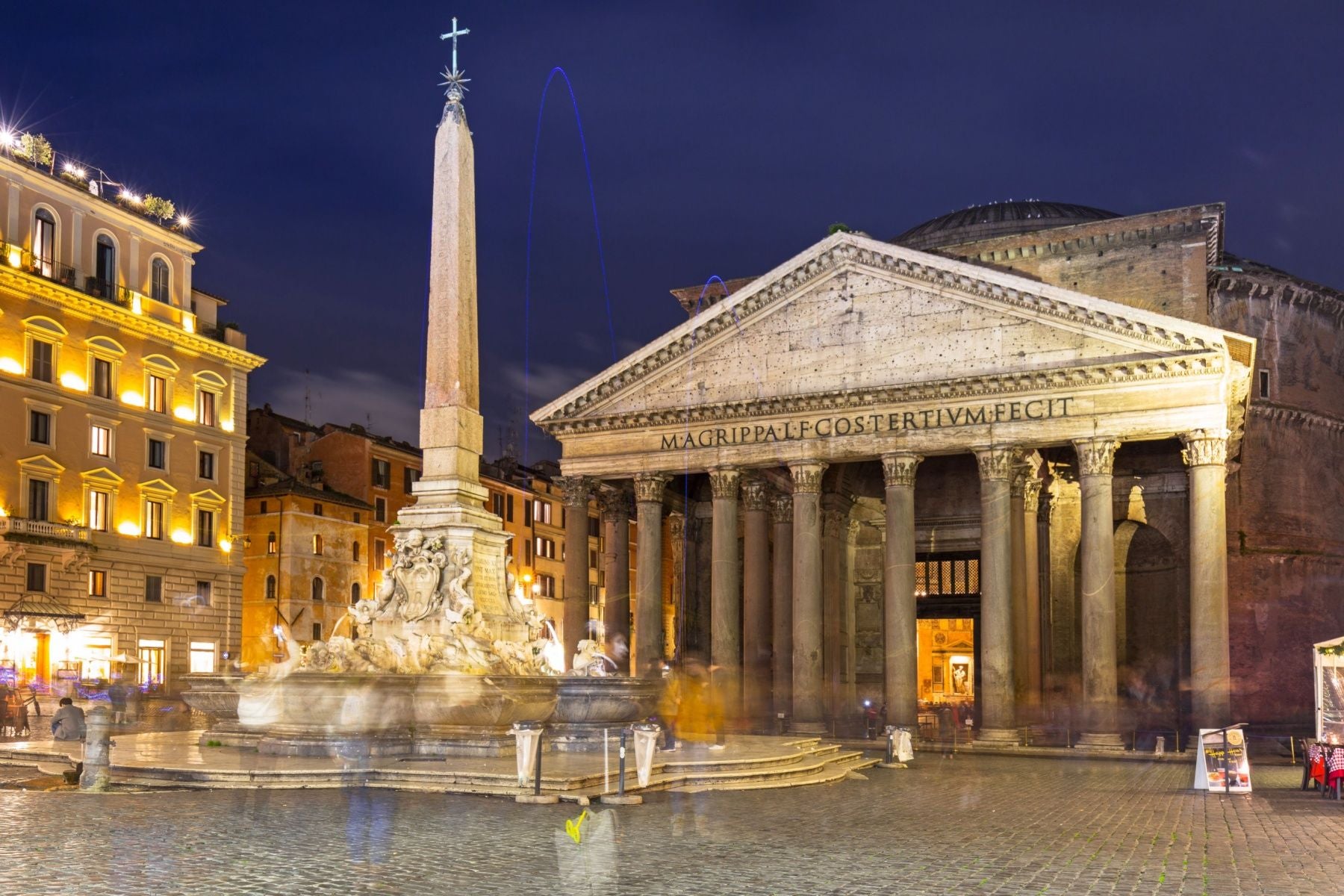
Visiting Rome in January offers a calmer, more manageable way to experience the city. Fewer crowds, seasonal events, and cooler temperatures create an atmosphere that supports slower sightseeing and deeper engagement.
This guide is designed to support itineraries that combine major attractions, food experiences, and cultural highlights without the pressure of peak-season travel. January makes it easier to move at a comfortable pace and adapt plans around daylight, opening hours, and local traditions.
The winter season also opens opportunities to explore other destinations in Italy, many of which are quieter at this time of year. Historic towns, regional food centers, and scenic landscapes all benefit from reduced visitor numbers.
Taken together, these experiences reflect some of the best things to do in Italy. They show how winter travel can offer both value and depth while maintaining a strong sense of place.