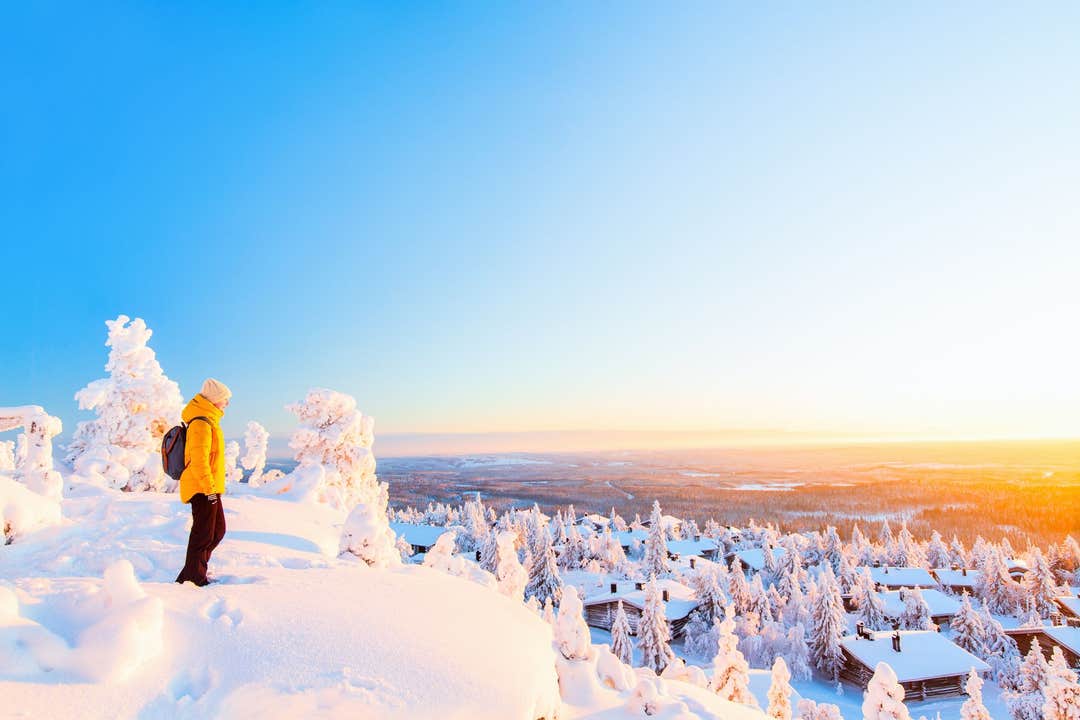

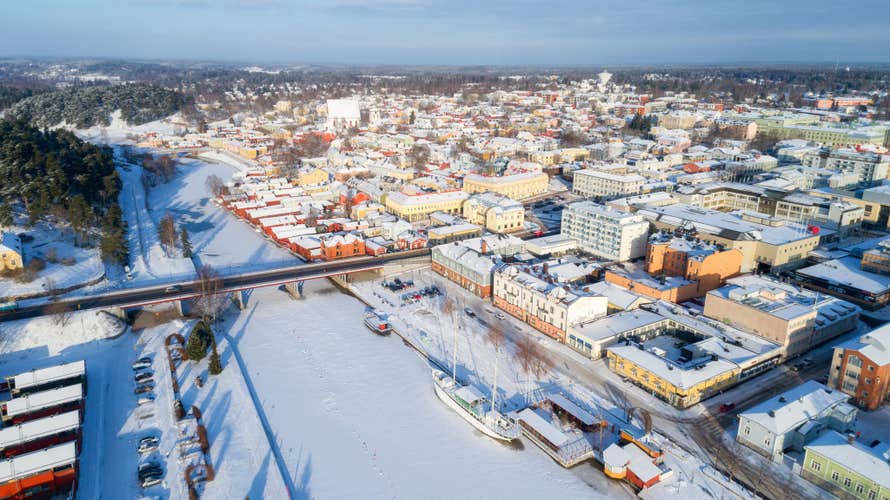



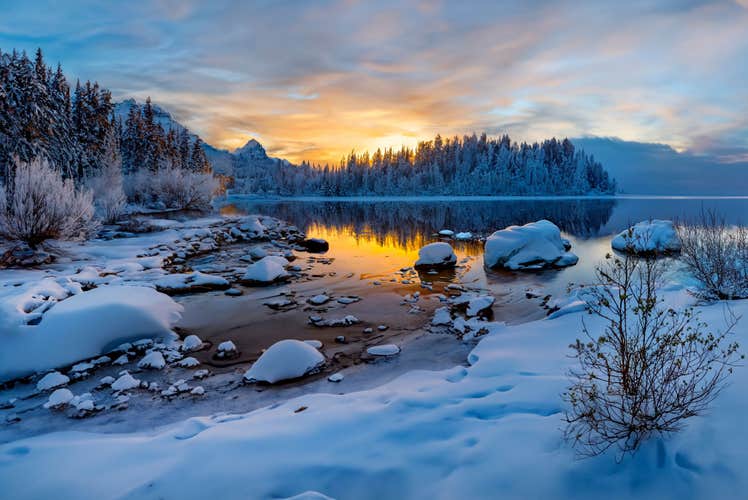

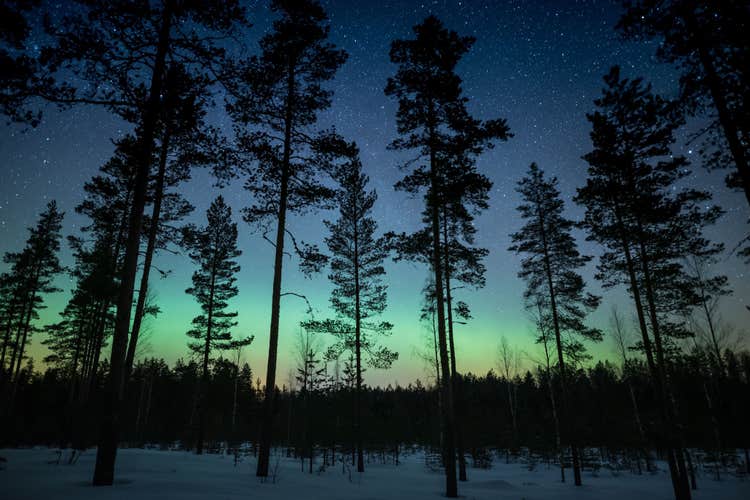


Visiting Finland in February is like stepping into a living snow globe, where Arctic silence, snow-draped forests, and shimmering northern lights set the scene. This is the heart of winter in Finland, when frozen lakes turn into playgrounds and the glow of saunas contrasts beautifully with the polar cold.
February in Finland offers a rare balance: peak winter conditions without the holiday crowds. Days slowly grow longer, snowfall is reliable, and iconic experiences, from husky safaris to ice swimming, are at their very best, making it an ideal time for both adventure seekers and slow travelers.
It’s also a smart month for planning. You can often find cheap flights to Finland in February, along with excellent value on guided tours and seasonal deals. You will also find curated itineraries included in the best vacation packages in Finland, thoughtfully structured around winter conditions and travel logistics.
Whether you’re chasing the aurora in Lapland or enjoying a cozy city break, February delivers comfort as well as beauty. With a wide range of top accommodations in Finland, from glass igloos to boutique city hotels, this guide will help you plan a winter trip that’s as seamless as it is unforgettable.
Why Visit Finland in February?

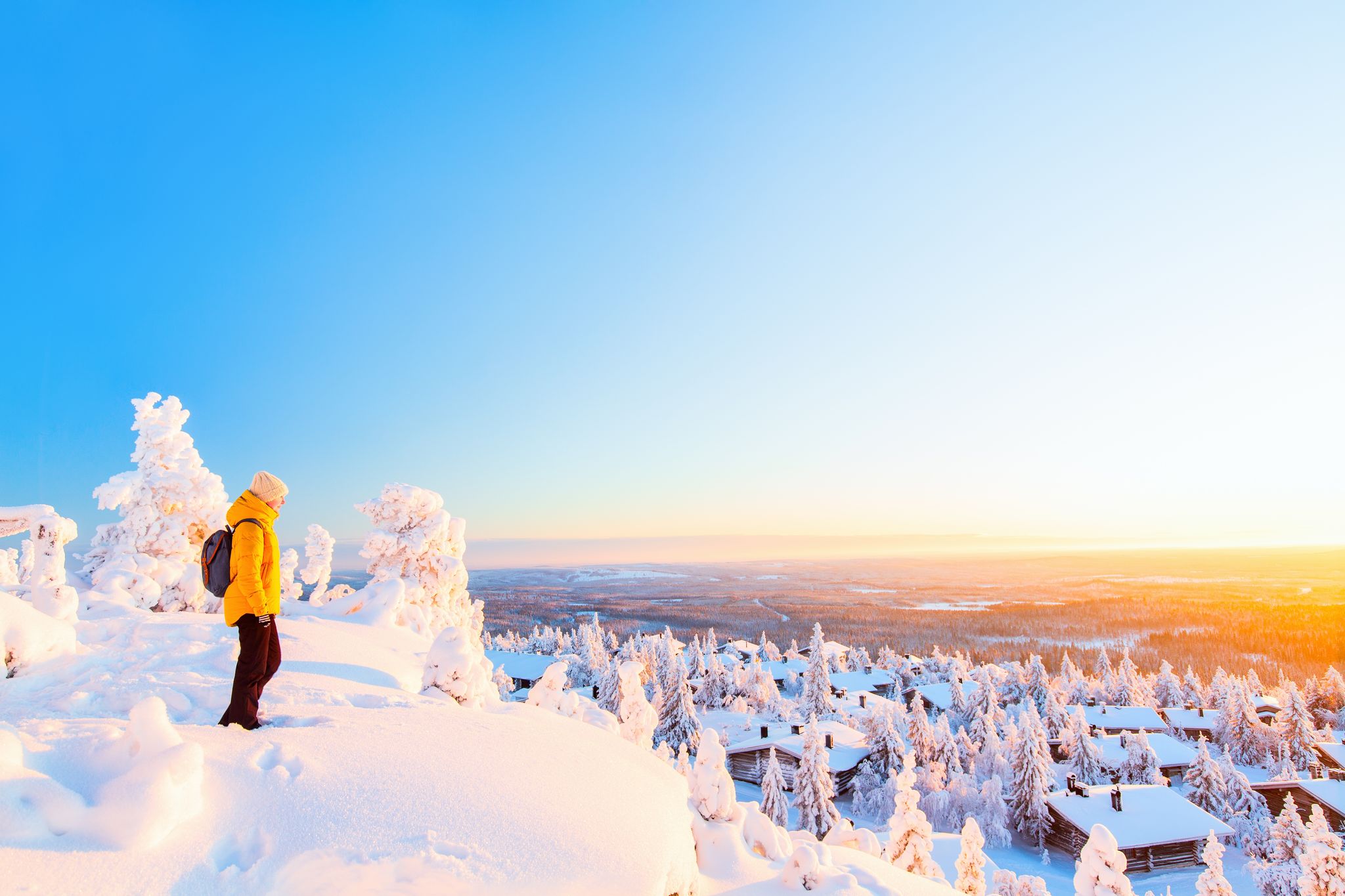
Finland in February captures winter at its most authentic. This is when the country is fully shaped by snow, silence, and Arctic light, offering experiences that simply are not possible at other times of the year. February delivers both atmosphere and adventure without the peak holiday crowds.
Here are some of the reasons why you should visit Finland in February:
- Guaranteed snow across most of the country, creating ideal conditions for winter or snow sports activities in Finland.
- Excellent chances to see the northern lights, especially in Lapland and above the Arctic Circle.
- Prime season for husky sledding, reindeer safaris, snowmobiling, and other snow-based experiences.
- Deeply rooted sauna culture paired with ice swimming, a classic February tradition in Finland.
- Fewer visitors compared to December and March, allowing for a quieter and more immersive trip.
If your idea of travel leans toward raw landscapes, crisp air, and uniquely Arctic moments, February in Finland is an exceptional time to visit.
Weather in Finland in February: Regional Breakdown


Finland in February experiences peak winter conditions with cold temperatures, dry air, and consistent snow. The weather is stable across the country, making February one of the most reliable months for winter travel.
Weather in Southern Finland in February

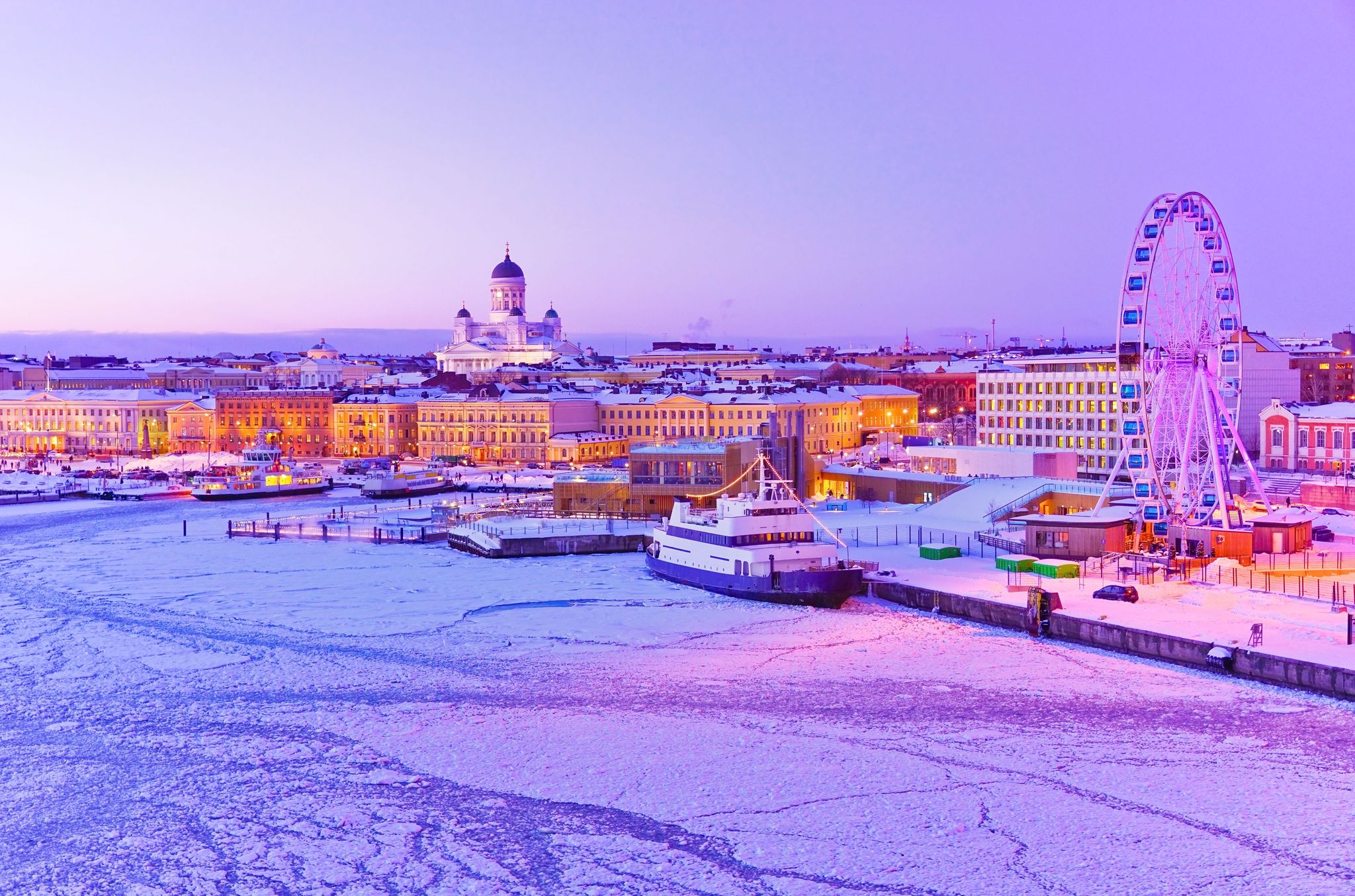
Southern Finland (Helsinki, Turku) has cold but manageable winter weather, suitable for city travel and short outdoor activities.
- Temperature: 23 F to 30 F (−5 C to −1 C)
- Snow: Regular snowfall with lighter accumulation than in the north
- Precipitation: Mostly light snow, minimal rain
- Daylight: Around 8 to 9 hours by late February
February Weather in Central Finland and Lakeland

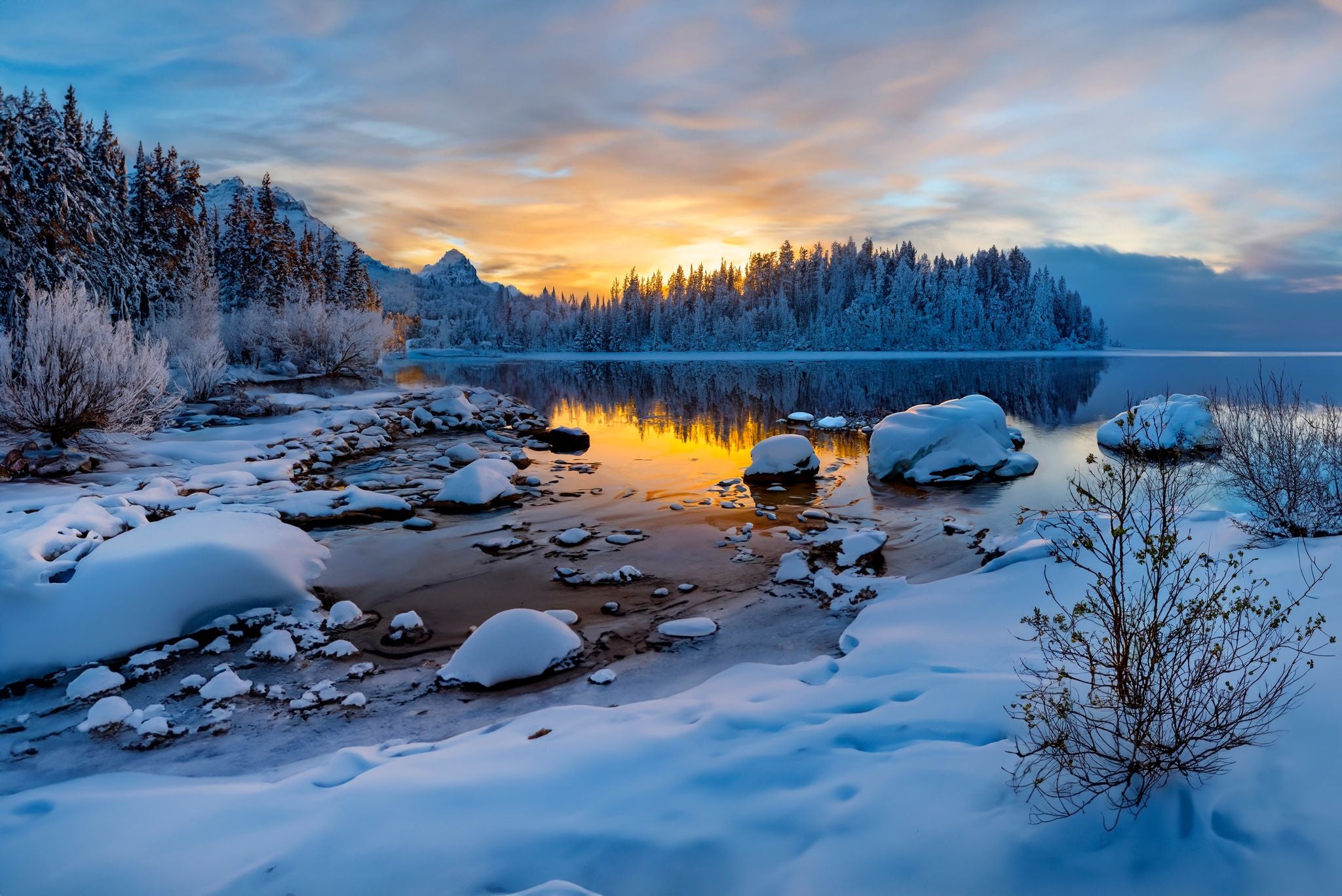
This inland region experiences colder temperatures and heavier snow, creating classic frozen-lake landscapes.
- Temperature: 14 F to 25 F (−10 C to −4 C)
- Snow: Deep, stable snow cover
- Precipitation: Light but frequent snowfall
- Daylight: Increasing steadily through the month
Weather in Eastern and Western Finland in February

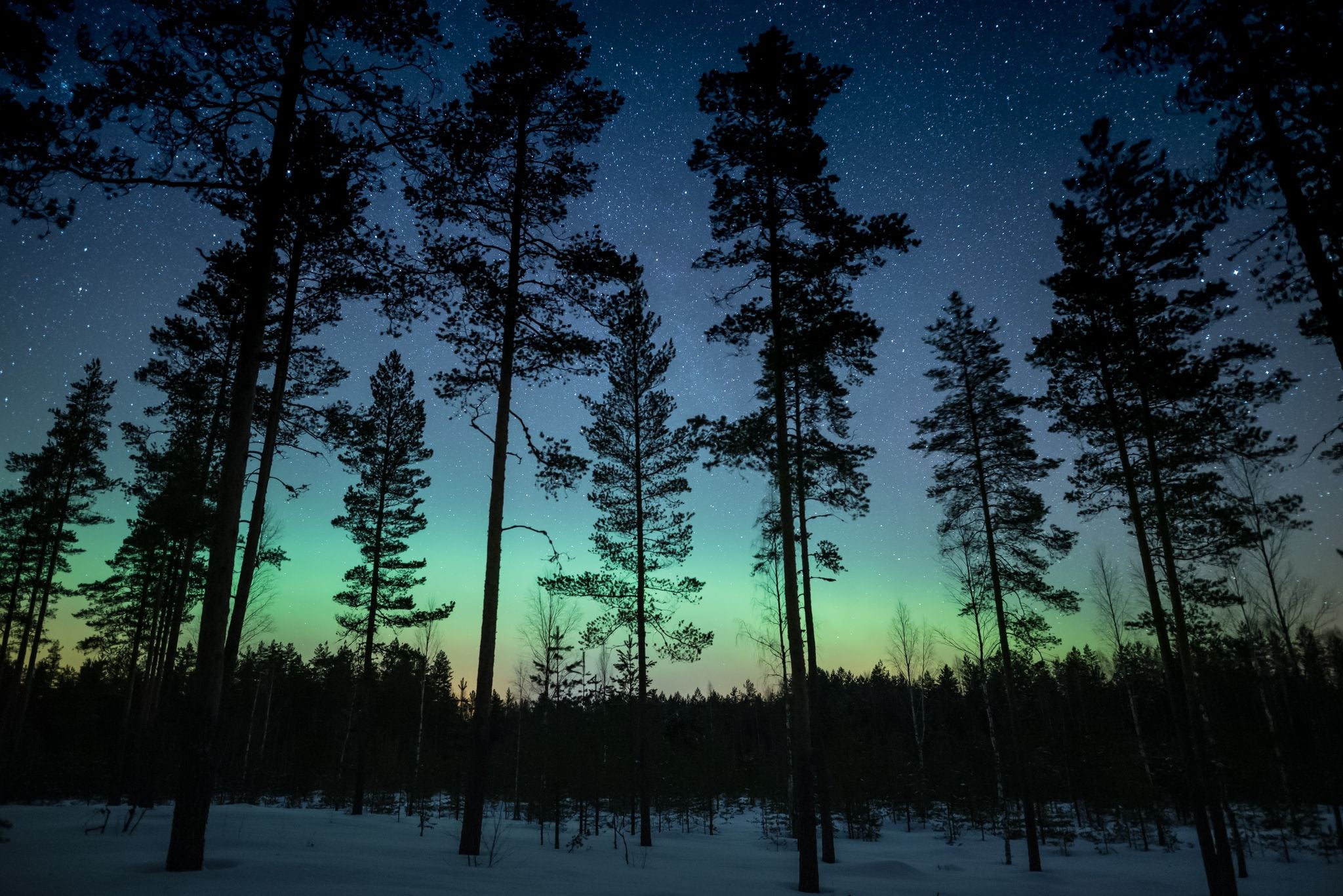
These regions offer quiet winter conditions with a mix of inland cold and coastal influence.
- Temperature: 14 Fto 27 F (−10 C to −3 C)
- Snow: Stable inland, lighter near the coast
- Precipitation: Mostly snow, occasional wind chill
- Daylight: About 7 to 9 hours by month’s end
February Weather in Lapland


Lapland has the coldest weather and deepest snow, ideal for Arctic experiences and Northern Lights viewing.
- Temperature: 5 F to 23 F (−15 C to −5 C)
- Snow: Thick and long-lasting
- Precipitation: Dry with clear, snowy conditions
- Daylight: Short early in February, increasing quickly
What the Cold Feels Like in Finland in February
Despite low temperatures, winter in Finland is comfortable due to dry air, heated buildings, and reliable transport. With proper winter clothing, February conditions are easy to manage and well-suited for travel.
For more weather information, visit the Finnish Meteorological Institute’s official website.
Top Things To Do in Finland in February

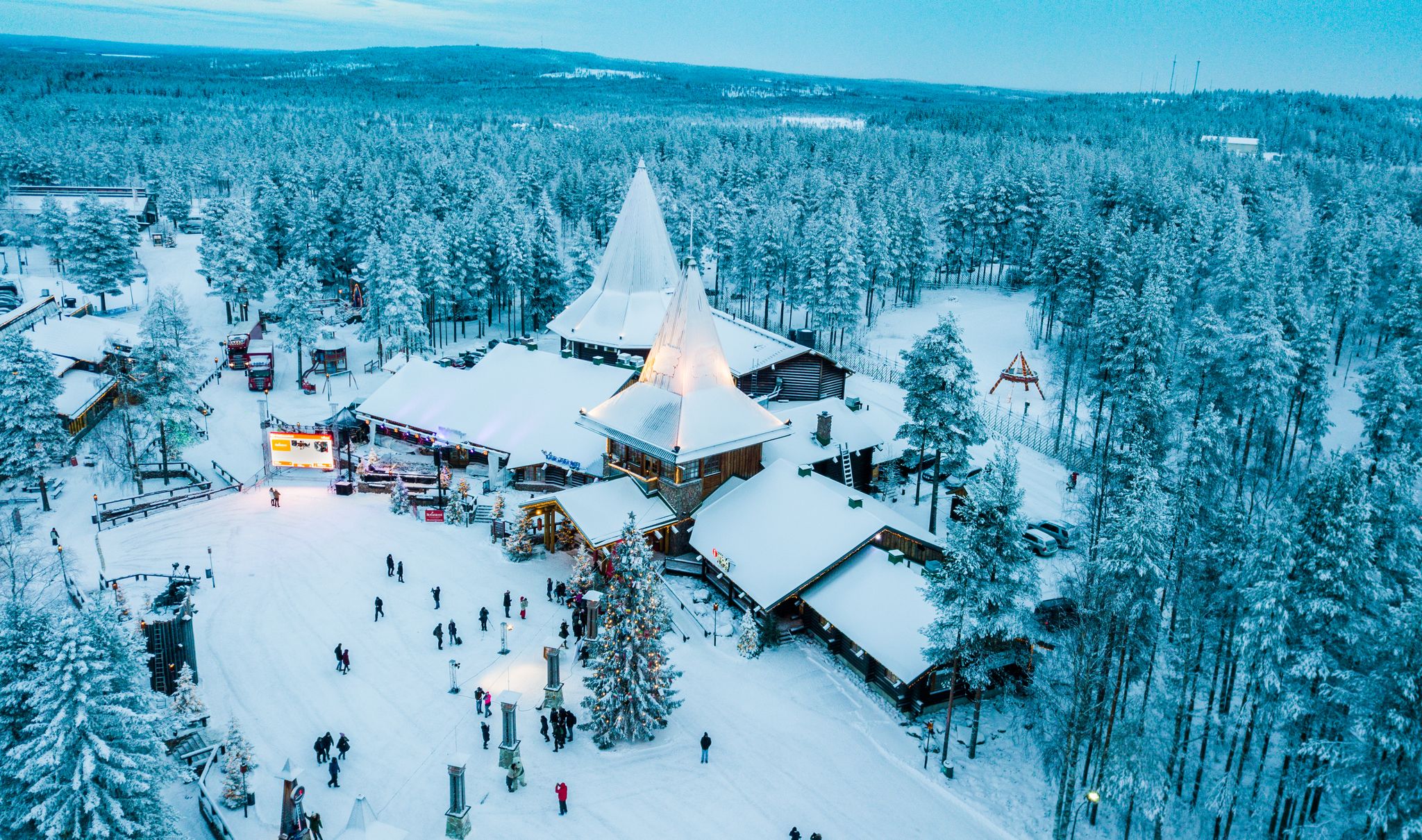
Finland in February offers its most iconic winter experiences at a time when snow conditions are stable and seasonal activities are fully operational. This is when the country’s landscapes, culture, and outdoor life are shaped entirely by winter.
See the Northern Lights in Finland in February

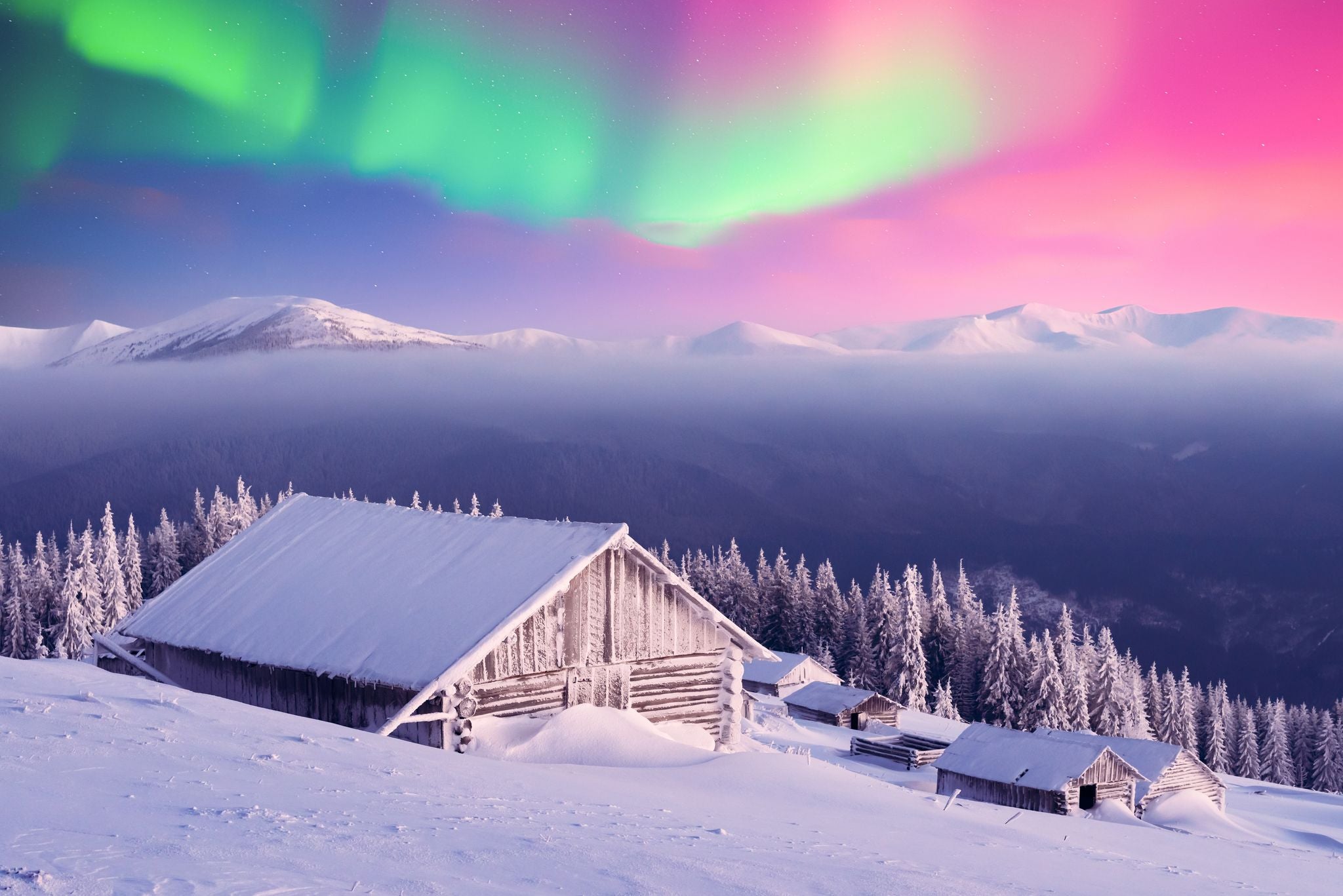
Seeing the aurora borealis is one of the main reasons people plan a winter trip to Finland in February. Long hours of darkness, cold and dry air, and minimal light pollution create some of the most reliable viewing conditions of the year, particularly in the far north.
Lapland offers the best setting for aurora sightings, with open landscapes and wide skies that improve visibility. Clear nights are key, and activity is most likely from late evening to the early hours of the morning, making patience and flexible timing important.
Guided northern lights tours in Finland can help you make the most of changing conditions, as guides track cloud cover and solar activity and adjust locations accordingly. A northern lights tour in Rovaniemi is a practical choice, combining accessibility with frequent departures and well-organized routes.
For a more remote experience, a Lapland northern lights tour based outside larger towns offers darker skies and quieter surroundings.
Warm, layered clothing is essential, and some tours may pause or reroute due to heavy cloud cover, so it helps to plan multiple viewing nights rather than relying on a single evening.
Go Skiing and Snowboarding in Finland in February


February sits at the peak of Finland’s ski season, when snow conditions are stable, and slopes are consistently well-maintained. This makes it an ideal time for ski trips in Finland, especially if you prefer relaxed skiing focused on scenery and comfort rather than extreme terrain.
Resorts such as Levi, Yllas, and Ruka are particularly well suited to beginners and families, with wide, gentle slopes and efficient lift systems. Itineraries like a 4-day ski trip to Levi or a 6-day ski trip to Ruka fit well into February travel, as daylight hours are predictable and facilities operate on full winter schedules.
For first-time visitors, ski or snowboard rentals in Finland are easy to arrange at resorts, with modern equipment and clear guidance on slope conditions. Most ski schools and rental shops remain fully open throughout February, though booking lessons and equipment in advance is recommended during school holiday periods.
Beyond resort skiing, options such as a guided ski adventure in Rovaniemi or a Lapland ski trekking safari tour offer a slower, more immersive way to explore winter landscapes. These experiences depend on weather and daylight, so planning them earlier in the day helps you enjoy the terrain safely and comfortably.
Relax with Sauna and Ice Swimming in Finland in Winter

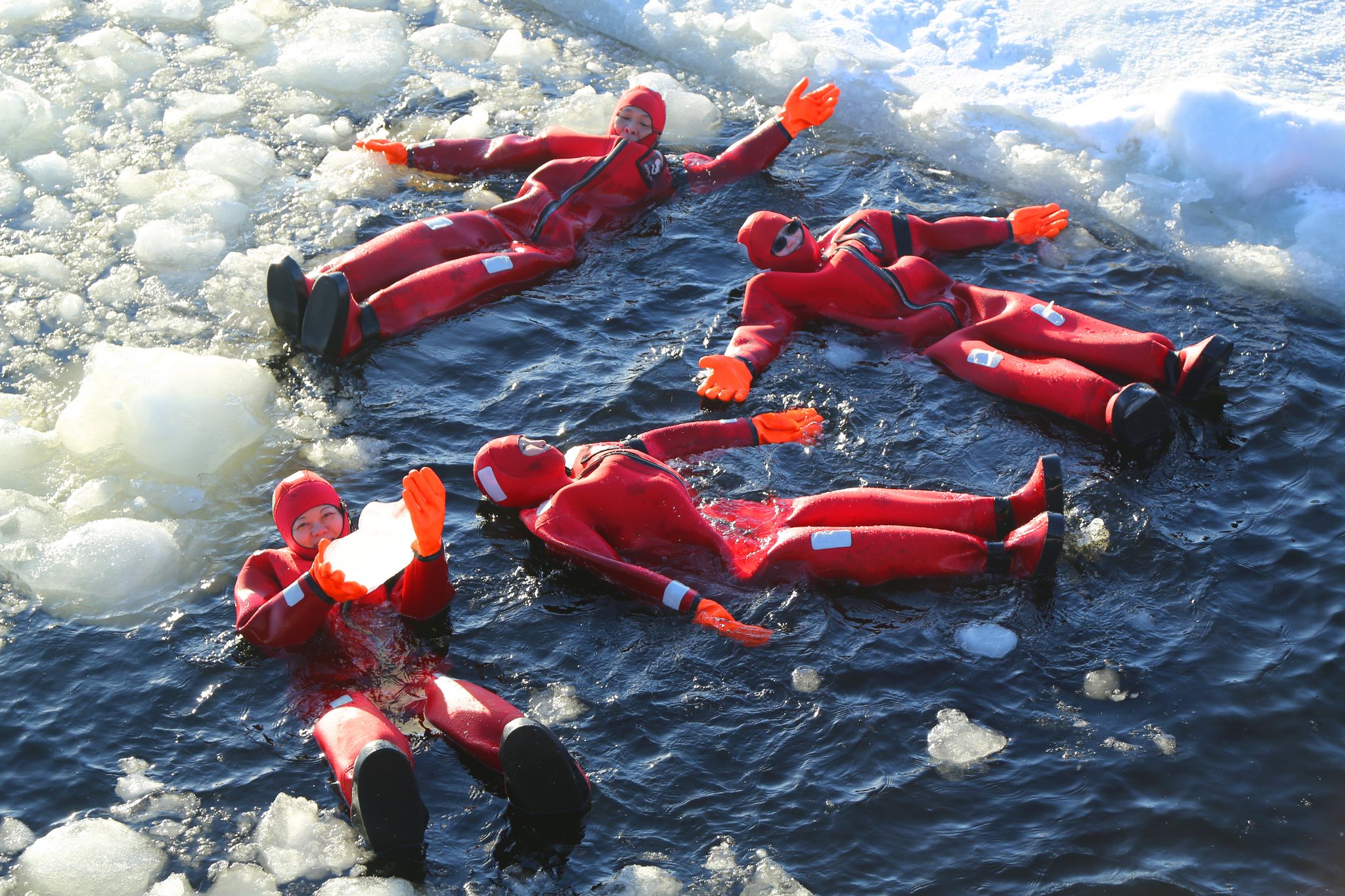
Sauna culture is inseparable from Finland in February, when winter conditions make the contrast between heat and cold especially intense. Stepping from a warm, wood-fired sauna into crisp air or snow is a deeply rooted ritual that reflects how daily life adapts to winter in Finland.
Saunas can be found everywhere, from city bathhouses to lakeside cabins and wilderness retreats. Many winter itineraries include spa tours in Finland, which focus on relaxation and recovery, especially welcome after outdoor activities in cold conditions.
In Lapland, a traditional sauna and ice swimming experience in Rovaniemi offers a classic introduction to Finnish sauna culture, often set beside frozen rivers or lakes. On clear nights, a Rovaniemi sauna and ice swimming tour with aurora viewing adds an atmospheric element, though aurora sightings always depend on weather and solar activity.
Closer to the capital, a guided hike and sauna tour in Sipoonkorpi National Park from Helsinki combines snowy forest trails with a warming sauna session. Some outdoor saunas operate on reduced schedules in winter, so checking availability in advance and following local safety guidance ensures a comfortable and authentic experience.
Experience Classic Winter Adventures in Finland in February

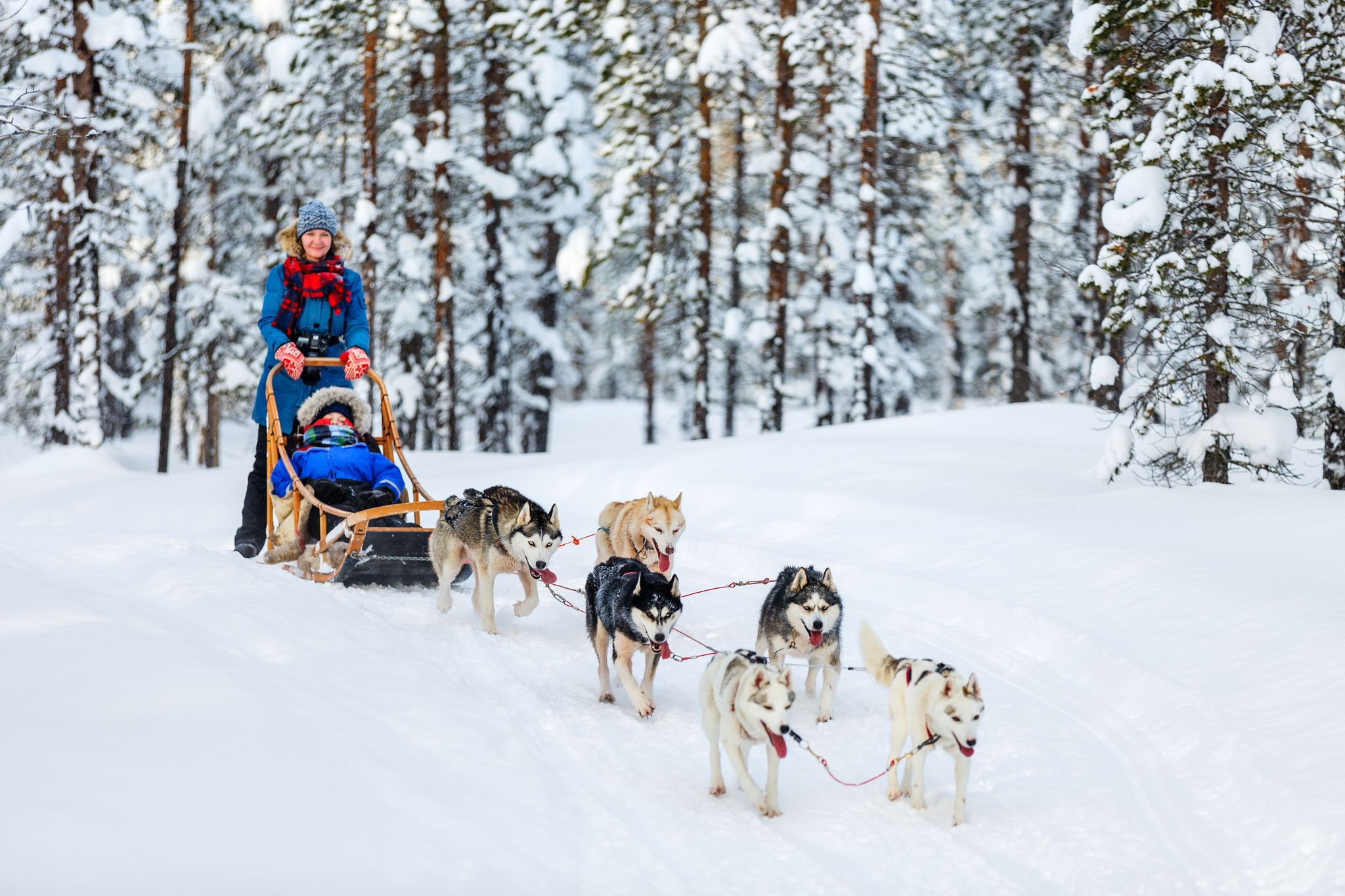
Snow-based activities reach their peak in February, when winter conditions across Finland are at their most stable. Deep snow and frozen waterways create ideal terrain for exploring landscapes that are otherwise inaccessible during warmer months.
Experiences such as sledding tours and dog sledding tours in Finland take you through quiet forests and across open snowfields, guided by locals who understand seasonal conditions. Routes are longer and more scenic in February, though departures may shift based on daylight and weather.
Frozen lakes also make ice fishing tours in Finland widely available, offering a slower and more traditional winter pastime. These outings often include basic instruction and heated shelters, but availability can depend on ice thickness and local safety assessments.
For covering greater distances, snowmobiling tours in Finland allow you to travel across frozen lakes and remote trails efficiently. Tours operate on designated routes and may pause during extreme weather, so checking conditions and booking flexible schedules helps you enjoy the experience safely.
Explore Finland’s Nature by Snowshoeing and Winter Hiking

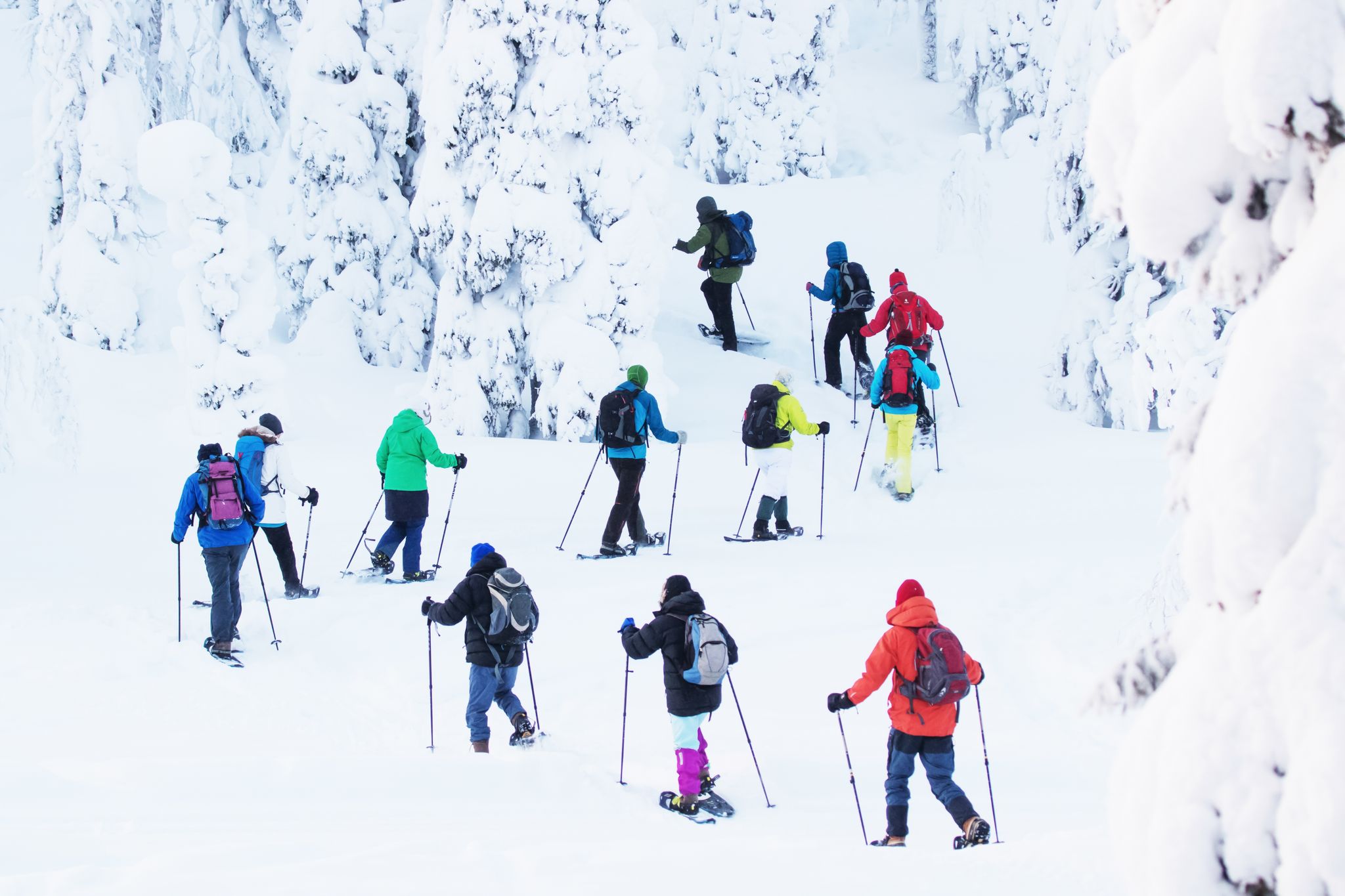
Snowshoeing is one of the most accessible ways to experience nature in Finland in February, when deep snow transforms forests, lakes, and national parks. Quiet trails and guided snowshoeing tours make it ideal for a slow, immersive winter experience without technical skills.
Across the country, marked winter trails are maintained in popular outdoor areas, supporting a range of hiking tours in Finland even in the coldest months. Routes are designed for varying skill levels, allowing you to explore safely without technical equipment or prior experience.
In the north, a hiking and snowshoeing adventure in Lapland offers wide-open scenery, frozen wetlands, and snow-covered fells that are difficult to access at other times of year. Short daylight hours mean it is best enjoyed earlier in the day, with proper winter footwear and layered clothing.
Closer to the capital, a Nuuksio National Park hiking tour from Helsinki provides an easy winter escape just outside the city. Trail access may vary after heavy snowfall, so checking local conditions and sticking to designated routes helps ensure a comfortable and enjoyable outing.
Visit Finnish Ice Hotels and Snow Architecture in February

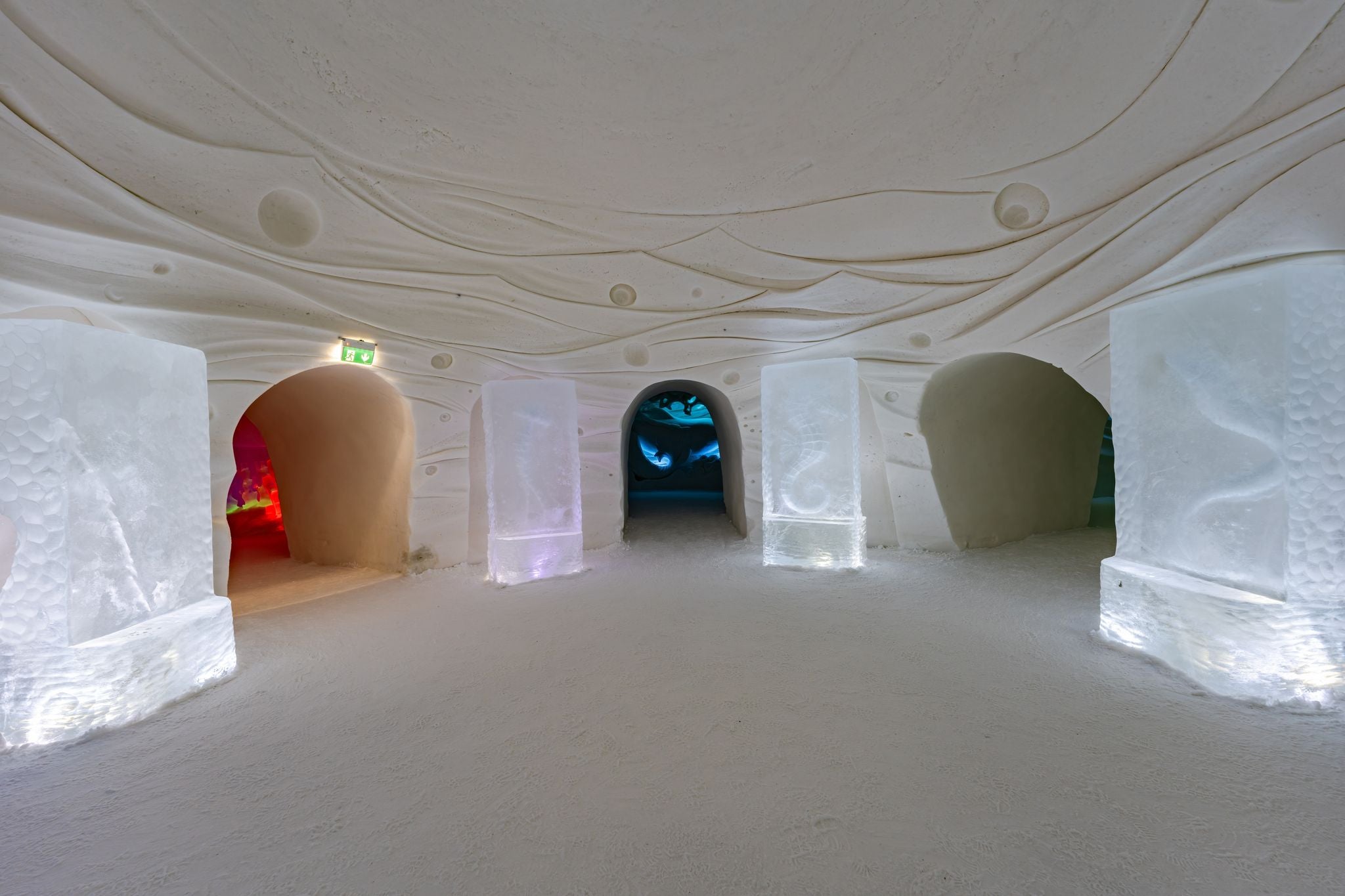
Seasonal ice hotels and snow villages reach their peak in Finland in February, when structures are fully completed and winter temperatures keep them stable. This short window offers the best chance to see detailed ice architecture before conditions begin to change later in the season.
Built entirely from snow and ice, these villages feature carved sculptures, illuminated corridors, chapels, and themed rooms that highlight Nordic design and storytelling. Visiting in February means lighting conditions are ideal, with soft daylight and early twilight enhancing the visual experience.
Most ice hotels operate on daytime entry schedules, with overnight stays available only in select rooms and subject to strict temperature limits. Guided visits are recommended, as they provide context on construction methods and help manage time in cold indoor spaces.
Opening periods are seasonal and weather dependent, so checking dates in advance is essential, as some sites may close earlier than planned if temperatures fluctuate. Dressing warmly and limiting time inside ice rooms helps you enjoy the experience comfortably while appreciating a form of architecture that exists only in winter.
Skate on Finland’s Frozen Lakes and Coastal Ice in February

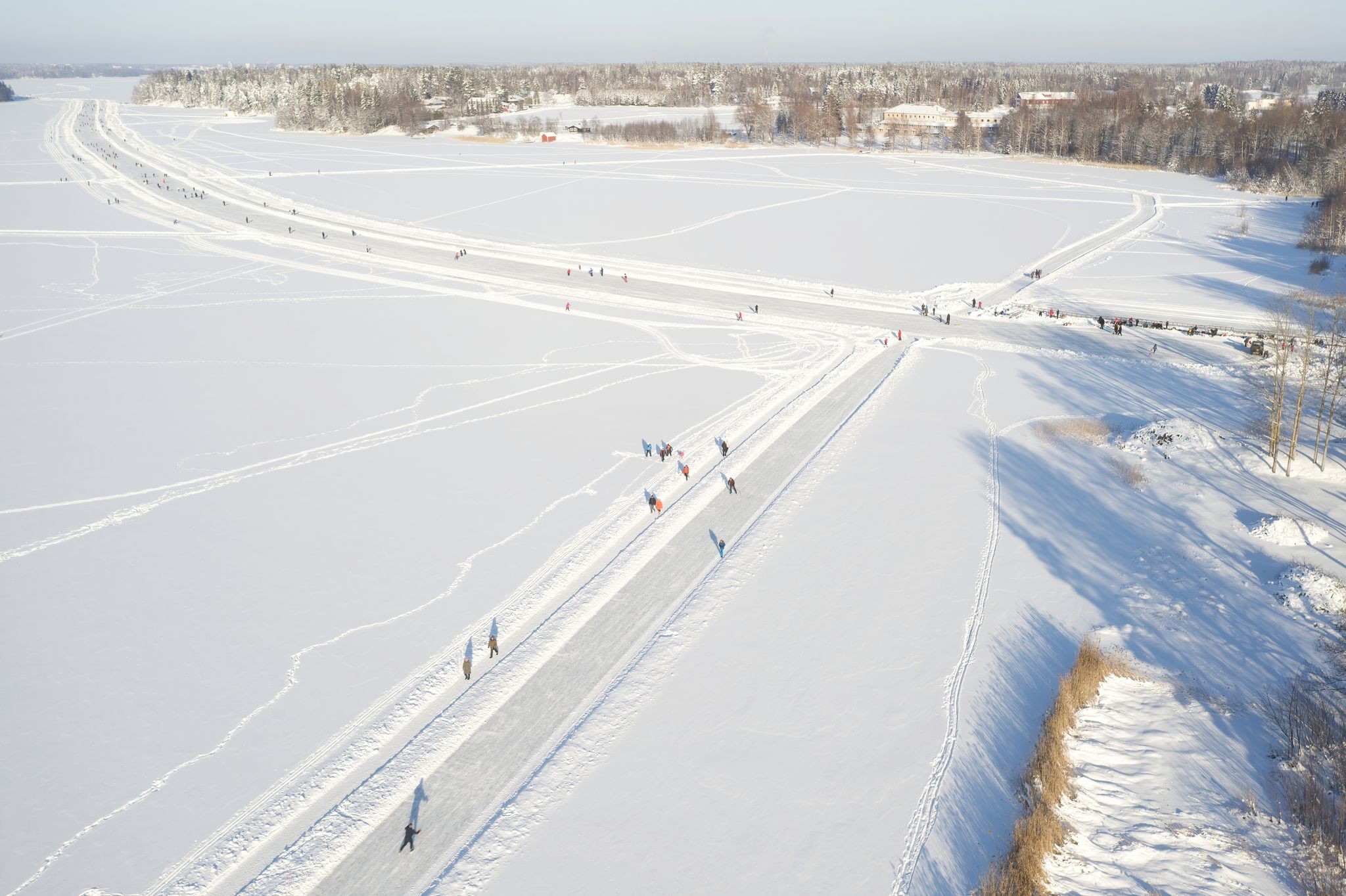
When ice conditions are safe, February opens up natural skating routes across frozen lakes, rivers, and coastal areas. These temporary ice tracks are a distinctive part of winter life in Finland, offering a quiet and scenic way to move through snow-covered landscapes.
Cities such as Helsinki and Tampere maintain cleared skating paths on natural ice, often close to urban centers yet surrounded by open winter scenery. Conditions can change quickly due to wind or temperature shifts, so routes may open or close at short notice depending on ice thickness.
It’s best to use officially maintained tracks rather than venturing onto unmarked ice, as safety checks are carried out regularly. Wearing layered clothing and checking local updates before heading out ensures you can enjoy ice skating comfortably and responsibly when conditions allow.
Explore Finland’s Winter Scenery and Arctic Light

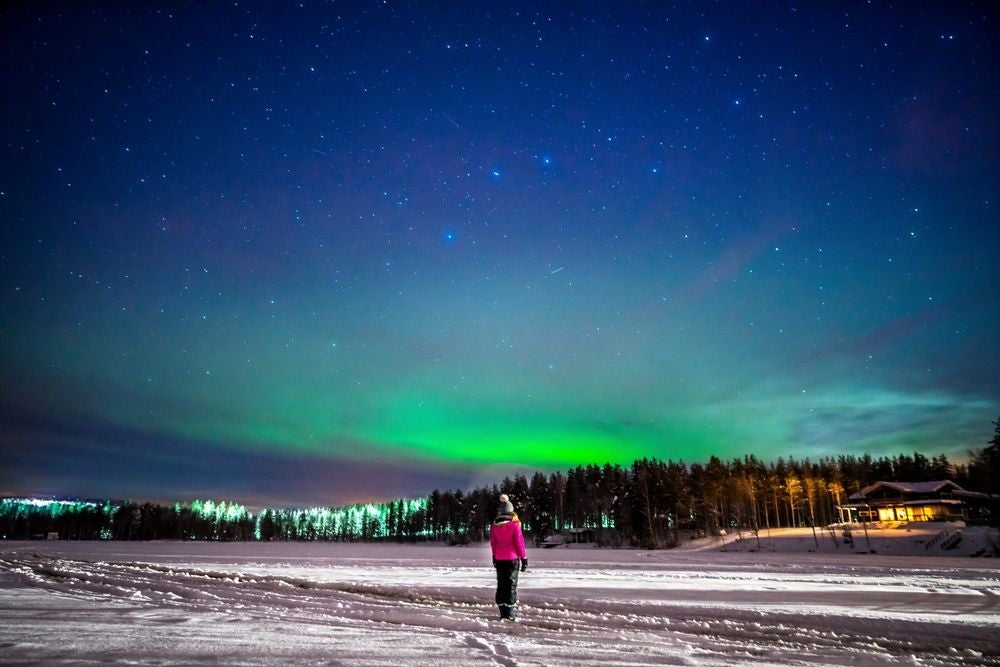
Exploring winter scenery is one of the quiet highlights of Finland in February, when low sun angles cast soft light across snow-covered forests, frozen lakes, and coastal landscapes. The contrast between pale daylight and deep shadows gives the scenery a calm, almost dreamlike quality.
Short daylight hours shape how you move through the landscape, encouraging slower and more intentional exploration. Planning outdoor time around midday helps you make the most of available light, whether you are strolling through cities or enjoying nature walks in Finland on maintained winter trails.
In urban areas, snow transforms streets, harbors, and parks into striking winter scenes. Finland city sightseeing tours continue through February and are often quieter, allowing you to enjoy architecture and waterfront views at a relaxed pace, though routes may adjust based on weather.
Open viewpoints, frozen shorelines, and forest clearings are especially rewarding for photography and scenic observation. Checking forecasts, dressing for wind and cold, and keeping plans flexible ensure you can enjoy Finland’s winter scenery comfortably and safely.
Best Places To Visit in Finland in February

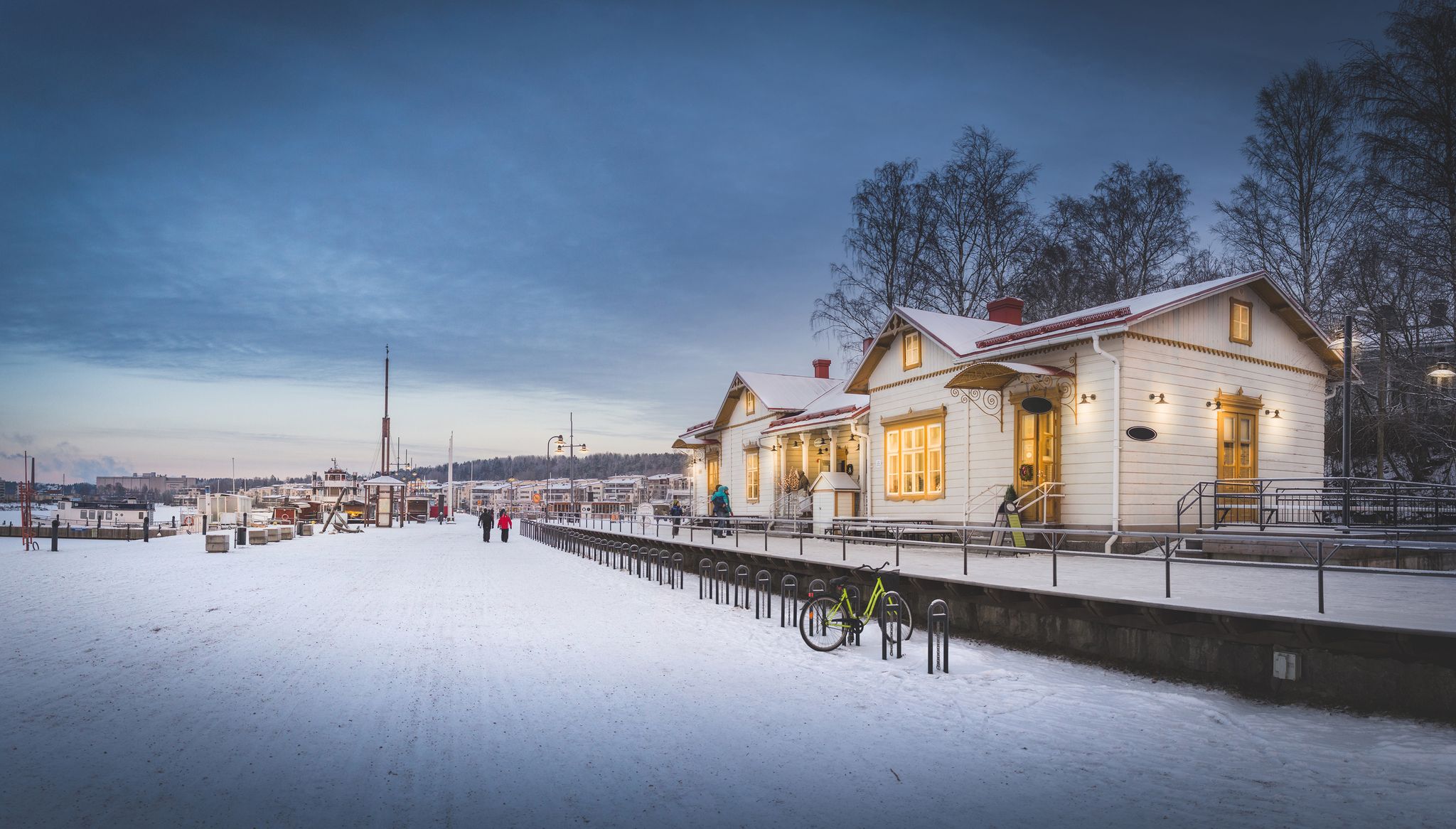
Finland in February showcases its destinations at their most atmospheric, with snow transforming cities, forests, and wilderness into distinctly Nordic landscapes. Whether you are seeking Arctic adventures or a slower cultural escape, winter highlights different sides of the country depending on where you go.
Here are some of the top destinations in Finland to visit in February.
Lapland in February

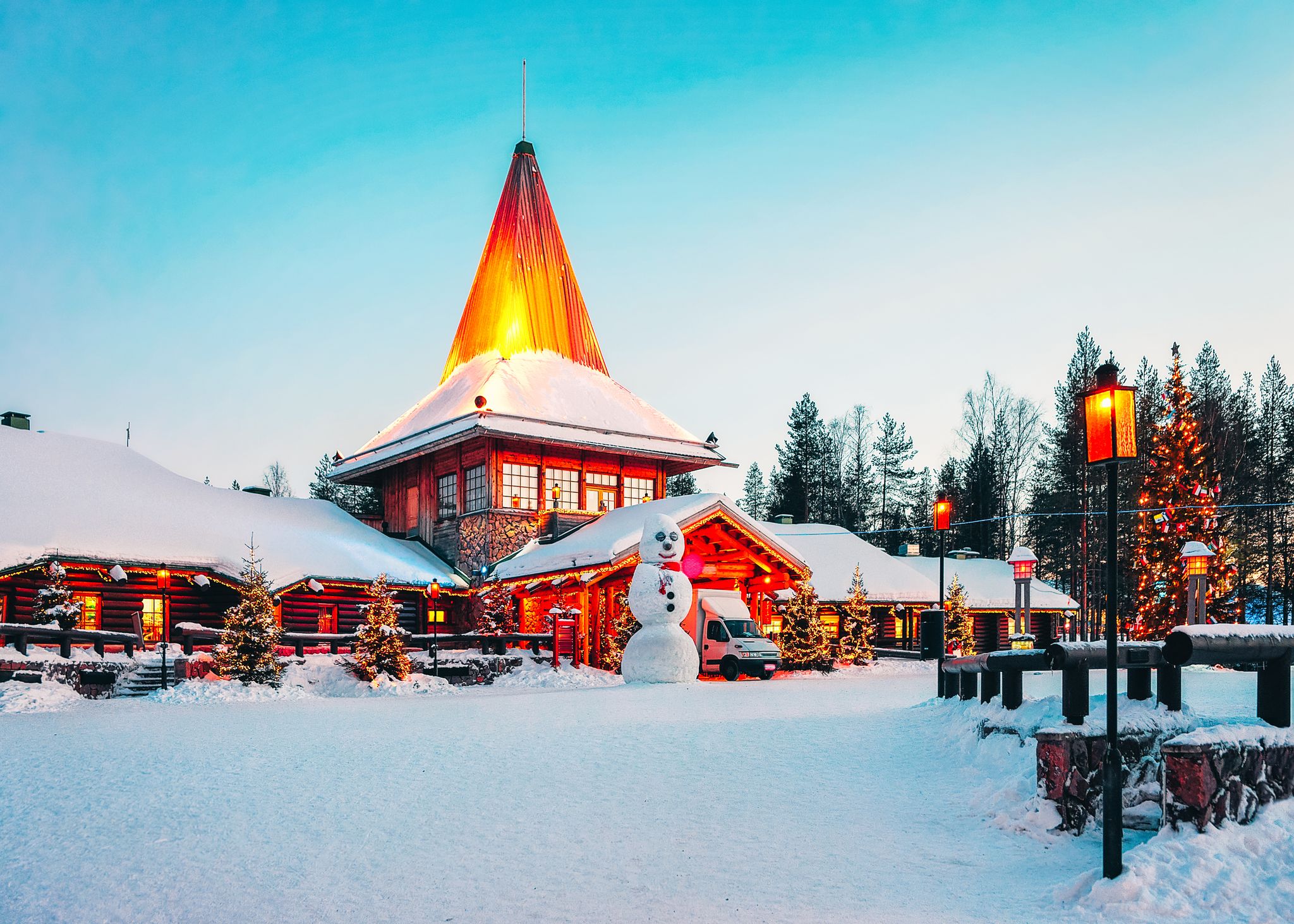
Lapland is the heart of Arctic travel in Finland in February, when deep snow, long winter nights, and vast open landscapes define the experience. The region’s low light pollution and stable winter weather make it one of the most reliable places in Europe to witness the northern lights in their full intensity.
Rovaniemi is a practical and popular base for first-time visitors. From here, you can join a northern lights tour in Rovaniemi, cross the Arctic Circle, and see Lapland's Reindeer, Huskies & Santa Claus Village without long travel times. February is quieter than December, but some attractions run on reduced hours, so checking schedules and booking activities ahead is advised.

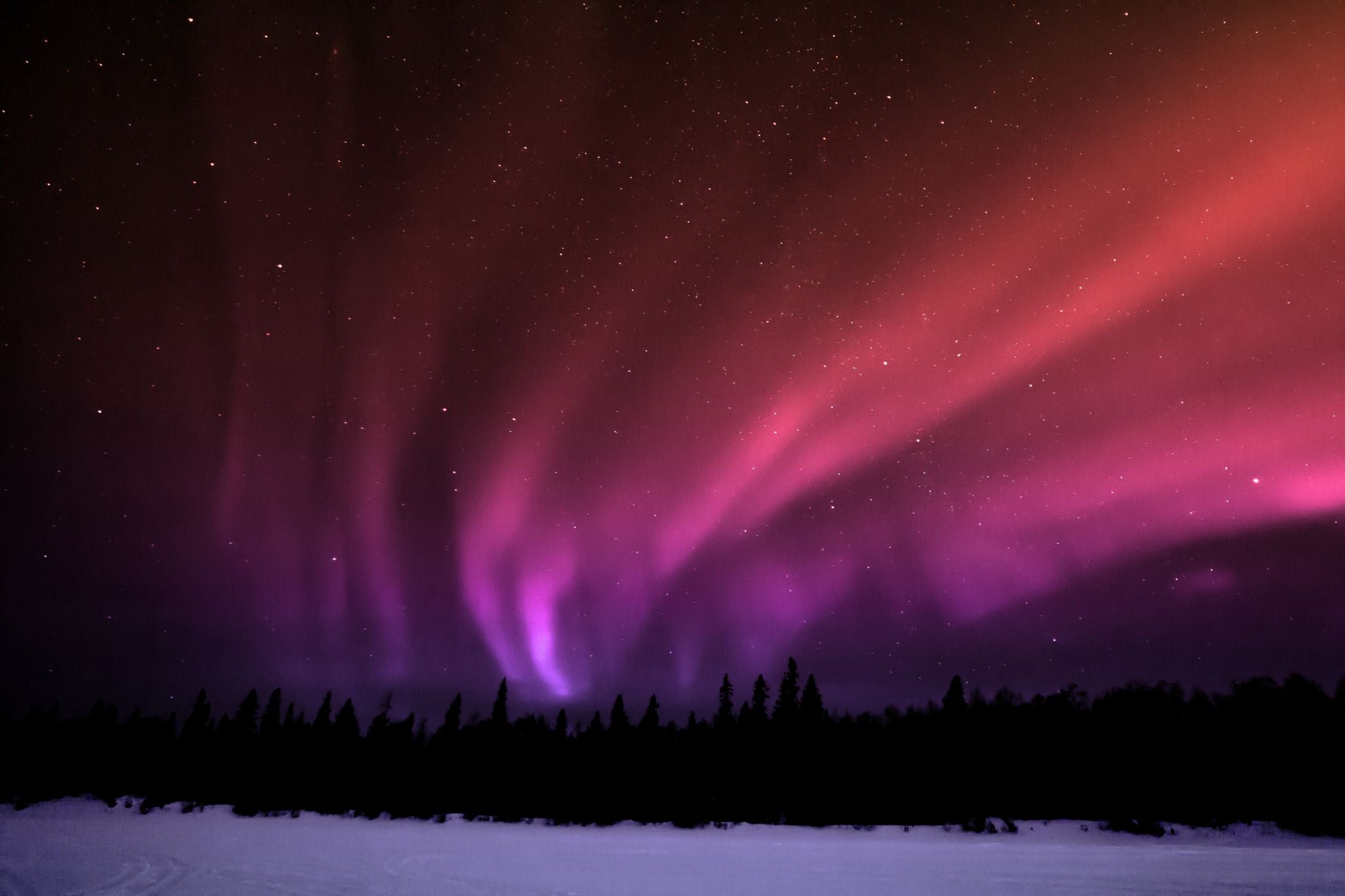
For a more remote feel, Saariselka offers open fell landscapes that are ideal for aurora viewing and photography. Experiences such as an aurora hunting photography tour in Saariselka benefit from clear horizons and minimal artificial light, which improves visibility on clear nights. Cold temperatures are common, so proper winter clothing is essential for extended time outdoors.
Levi and other winter resorts combine accessibility with comfort, offering skiing, guided safaris, and well-equipped accommodations set against frozen lakes.
Short daylight hours mean planning daytime activities efficiently, while evenings are best reserved for aurora tours or relaxing in saunas, a perfect way to balance adventure with rest during winter in Lapland.
Helsinki in February

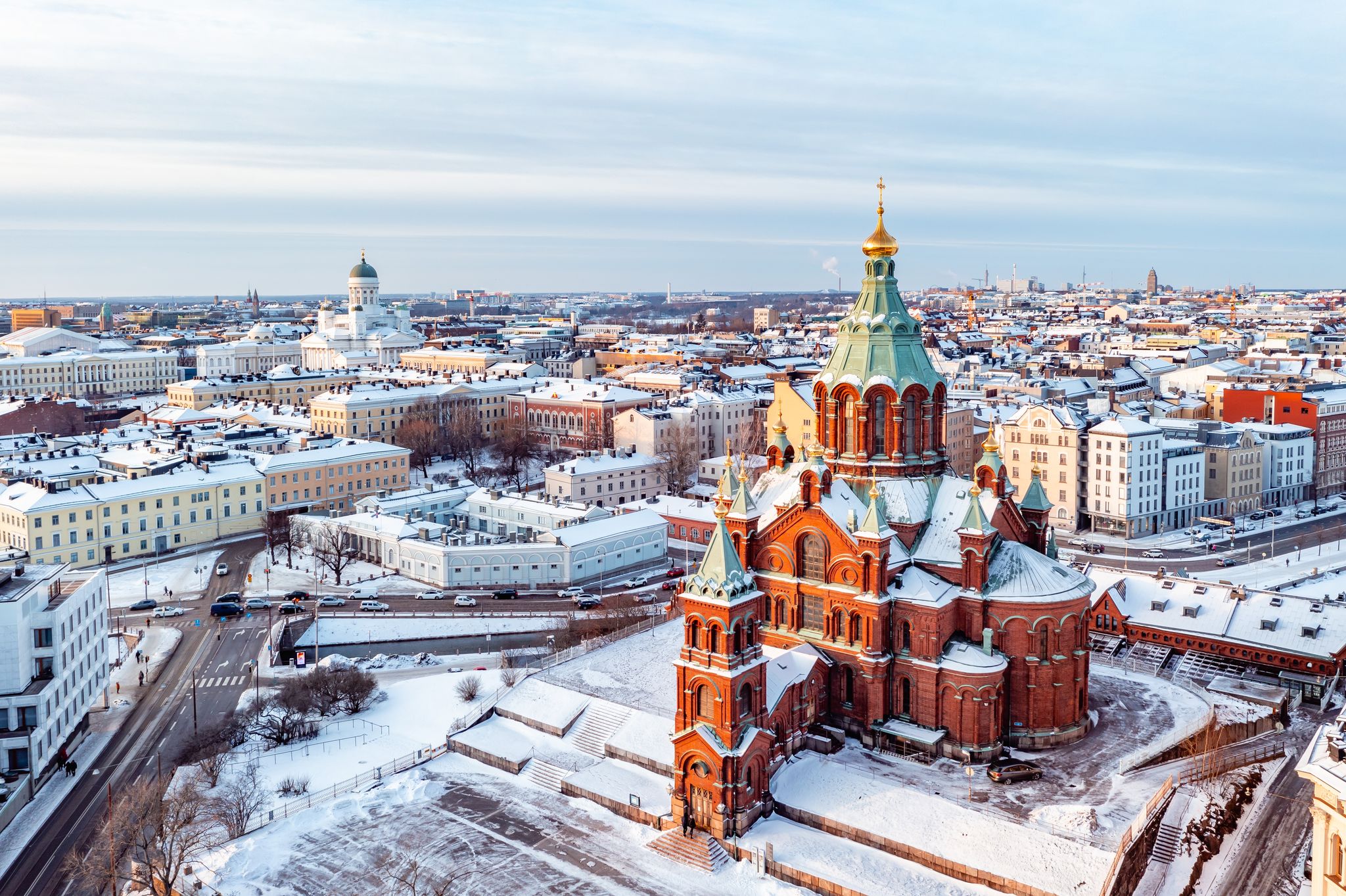
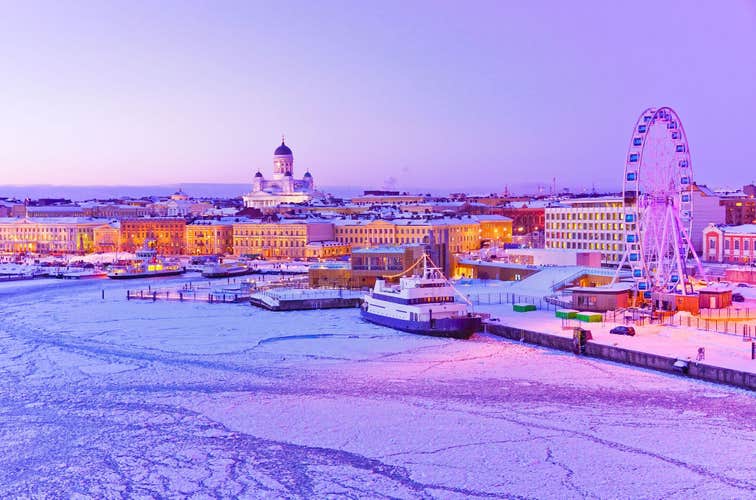
Helsinki offers a refined winter contrast to the Arctic north, where culture and coastal scenery shape the experience. February is often considered one of the best times to visit Helsinki if you prefer a quieter city, with snow softening neoclassical architecture and bringing a calm rhythm to daily life.
Don't miss the Senate Square, Helsinki Cathedral, and the Design District, all especially atmospheric under winter light. A walking tour of Helsinki's landmarks, culture, and history is best done during daylight hours, when streets are well-maintained, and museums such as the Ateneum and Kiasma provide warm indoor breaks.
Along the waterfront, the Baltic Sea may be partially frozen. However, a sightseeing canal cruise in Helsinki still operates on select routes when ice conditions allow, offering a rare winter perspective of the city.
Island ferries and outdoor attractions may run on reduced schedules, so checking seasonal timetables and keeping plans flexible helps you enjoy Helsinki at its best in winter.
Tampere in February

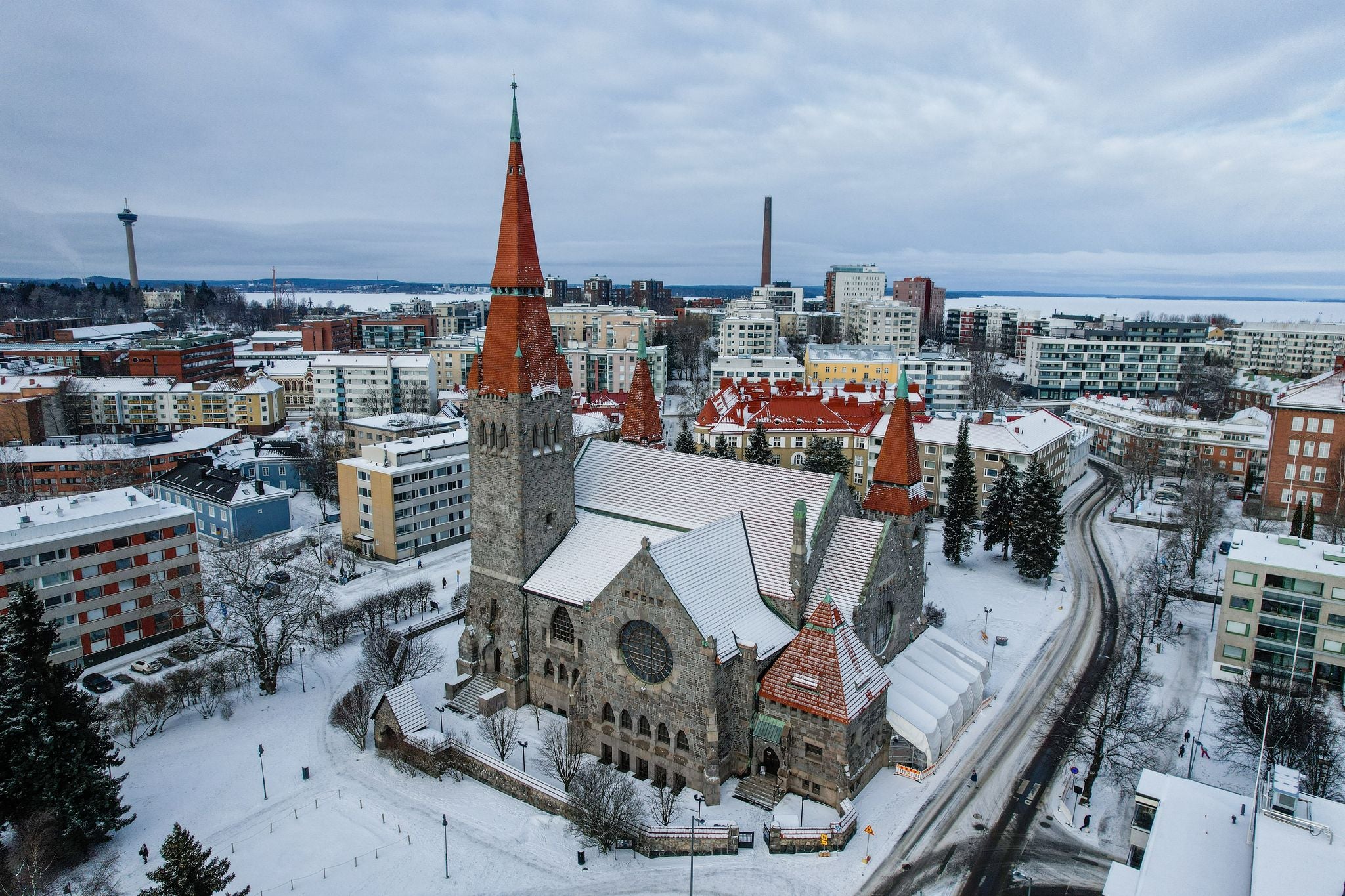
Located between two frozen lakes, Tampere offers one of the most authentic urban winter experiences in Finland in February. The city’s industrial heritage, compact layout, and strong sauna culture make winter feel atmospheric rather than restrictive, with snow enhancing its historic red-brick architecture.
Must-visit spots include the Finlayson area, Tampere Cathedral, and the Vapriikki Museum Centre, all of which remain open year-round and are especially enjoyable in winter. A private walking tour in Tampere allows you to explore these landmarks at a comfortable pace, with frequent indoor stops that suit colder January and February days.
Sauna culture is central to Tampere’s winter identity, with lakeside saunas like Rauhaniemi offering ice swimming alongside traditional heat.
For a more active experience, a bike tour in Tampere with sauna and local flavors is best enjoyed during daylight hours, when winter bike paths are well-maintained, and cafes provide welcome warm-up breaks.
Turku in February

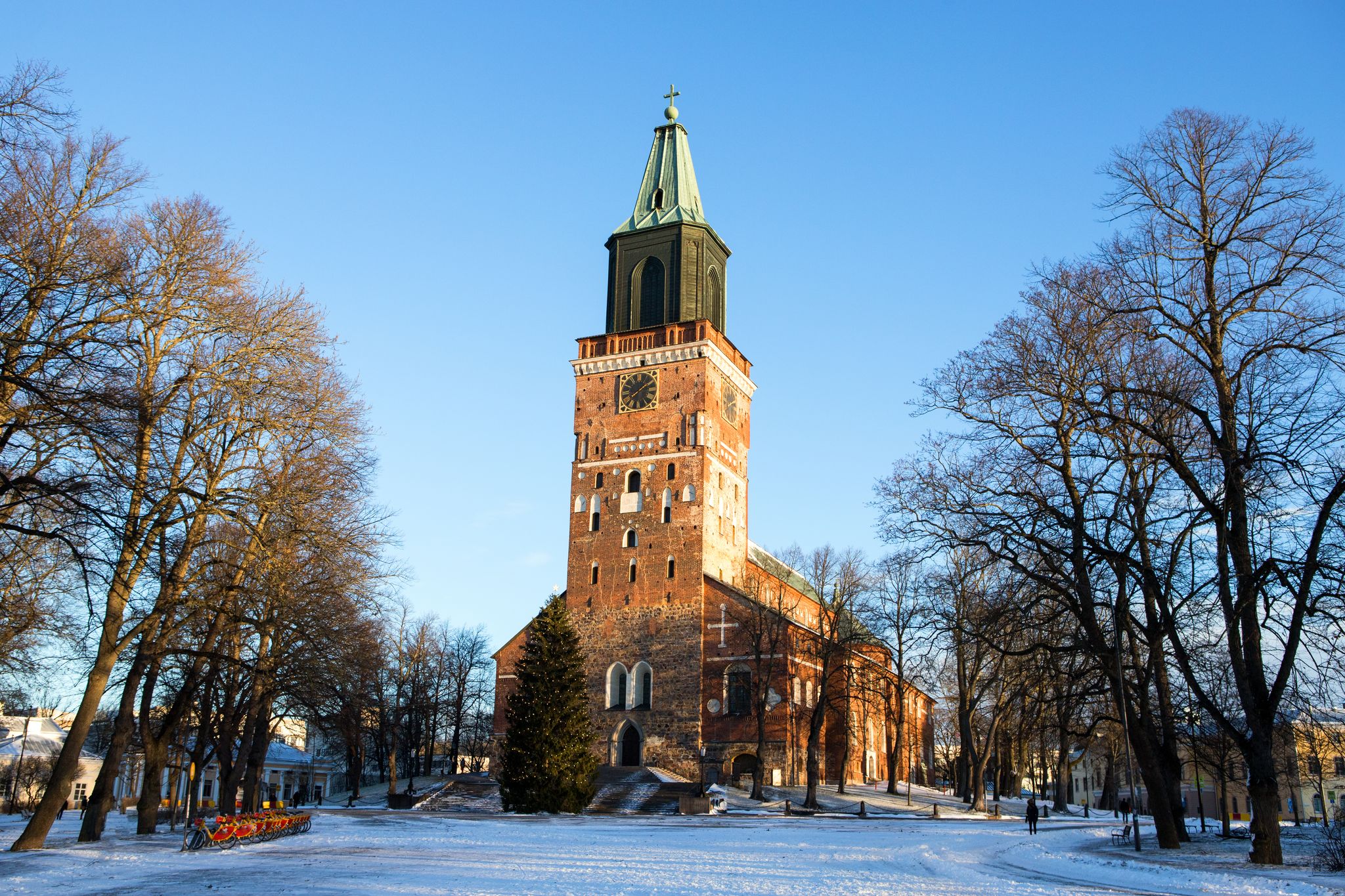
As Finland’s oldest city, Turku offers a calm and character-rich winter atmosphere, especially during February. Snow settles gently over historic streets and the Aura River, creating a setting that feels intimate and unhurried compared to larger cities.
Turku Castle and Turku Cathedral are essential stops in winter, as both remain open year-round and provide warm, indoor insight into the city’s medieval past. A private walking tour of Turku works particularly well in January and February, allowing you to move at a relaxed pace and focus on compact highlights without long distances outdoors.
Riverside paths along the Aura River are usually well-maintained in winter and ideal for short daytime walks. Some outdoor attractions and archipelago ferries run on limited schedules, so checking opening times and combining walks with cafes and museums helps you enjoy Turku comfortably.
Festivals and Events in Finland in February

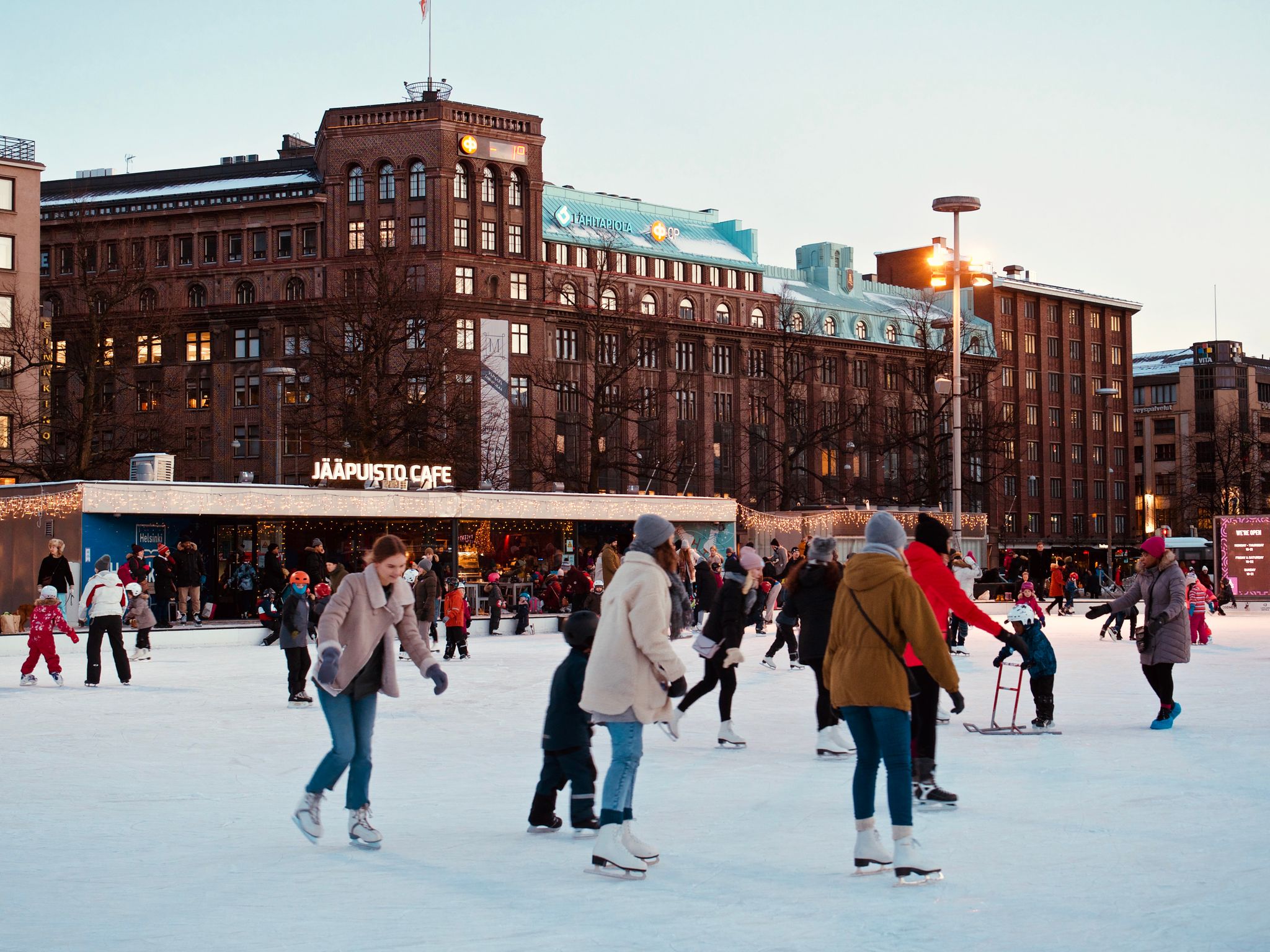
Finland in February is not only about winter landscapes and outdoor adventures but also about seasonal traditions that reflect the country’s culture and history. From indigenous heritage to literary celebrations and modern interpretations of romance, February offers meaningful events that add cultural depth to a winter visit.
Sami National Day

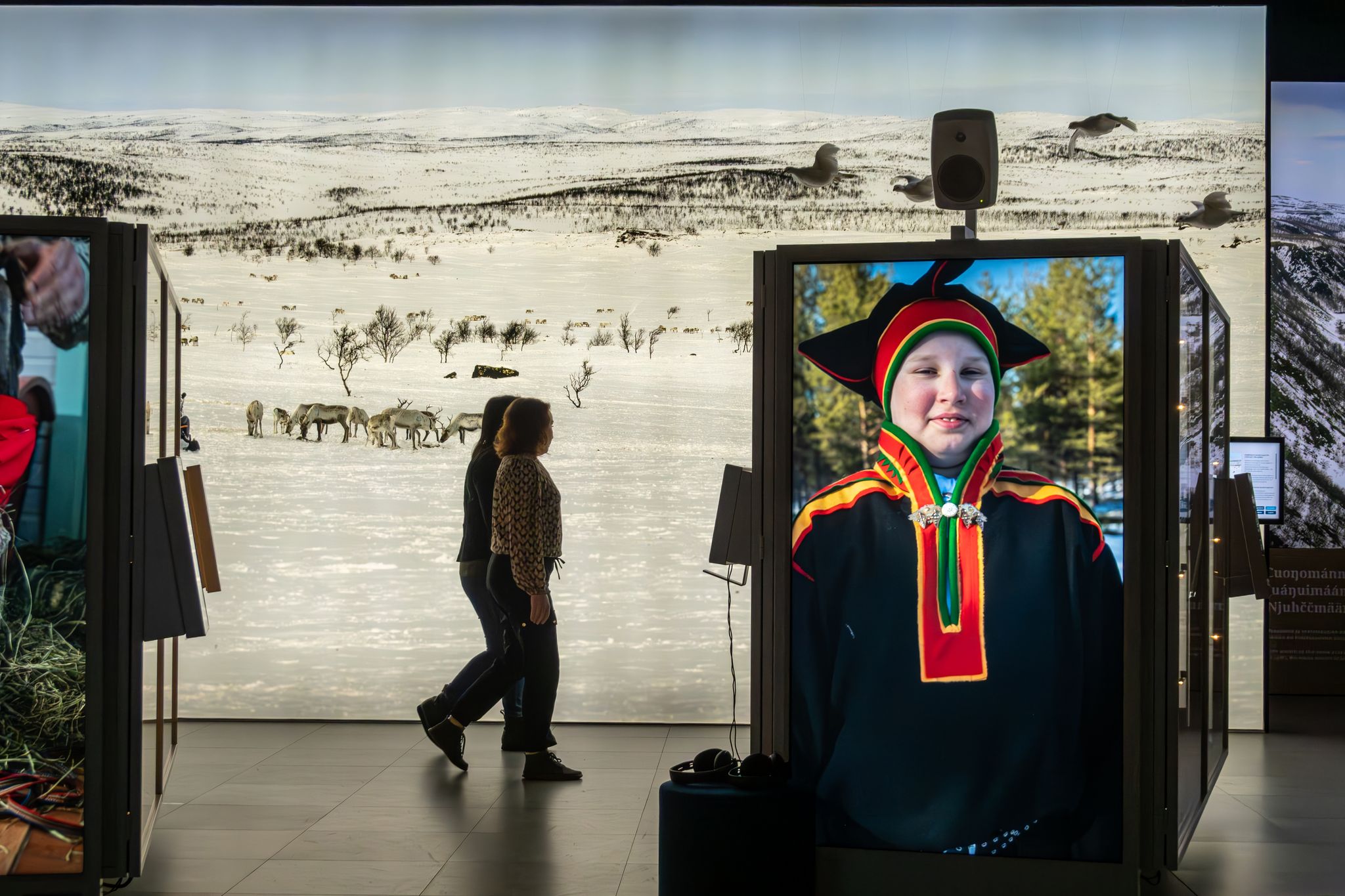
Held every February 6, Sami National Day celebrates the culture, history, and identity of the Sami people, the Indigenous population of northern Finland and the wider Arctic region. Events are most visible in Lapland, particularly in towns such as Inari and Rovaniemi, where cultural centers host exhibitions, music performances, and storytelling.
You can experience traditional Sami clothing, joik singing, handicrafts, and regional foods during the celebrations. Museums and cultural venues usually remain open, though schedules may differ from regular winter hours, so checking local programs in advance helps you plan your visit.
Valentine’s Day (Ystavanpaiva)

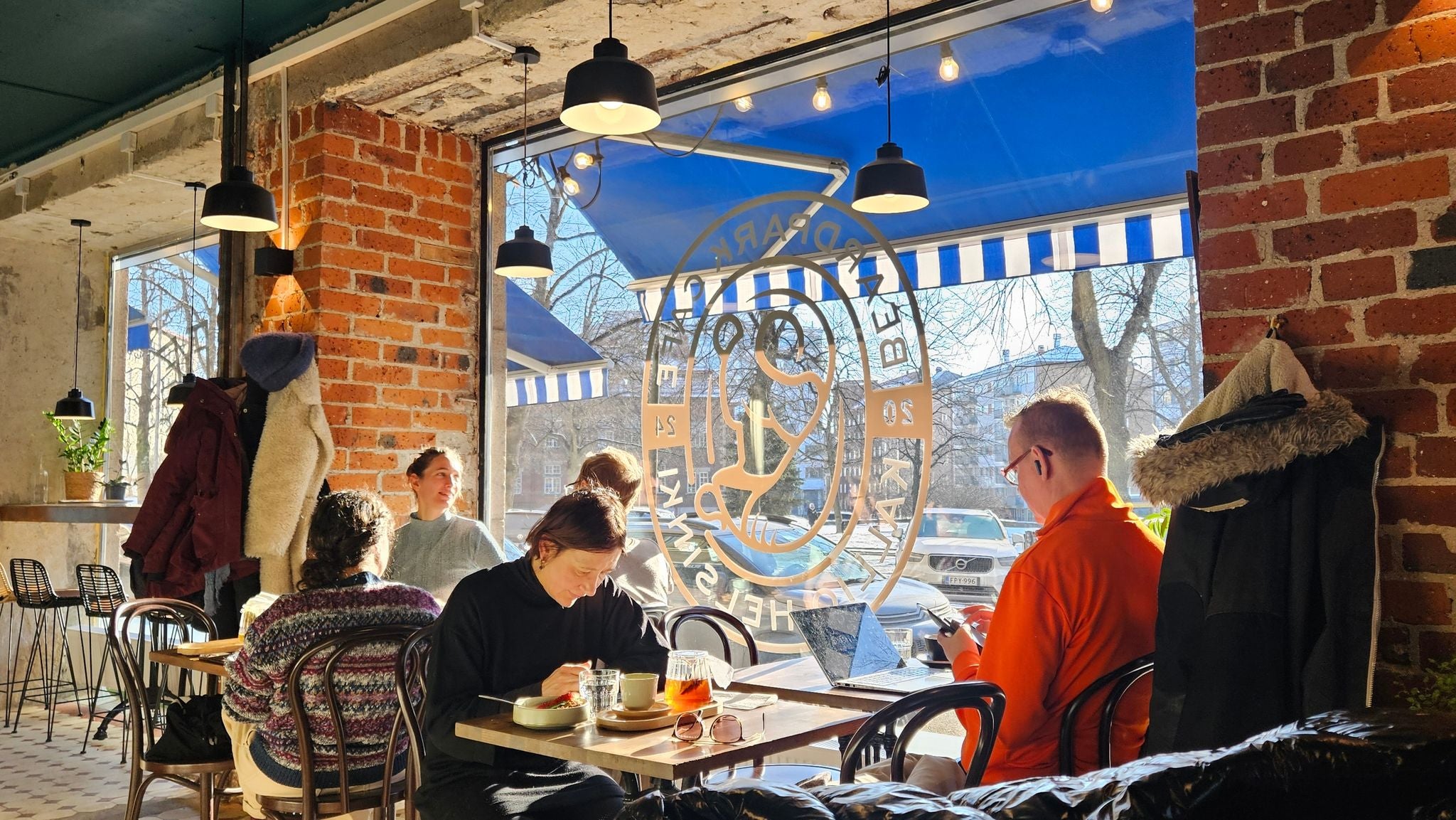
Valentine’s Day in Finland, known as Ystavanpaiva, translates to “Friend’s Day” and focuses more on friendship than romantic gestures. It is widely observed across the country, including schools, workplaces, cafes, and city centers.
You will find seasonal menus, small events, and themed activities rather than large-scale celebrations. Restaurants and cafes can be busier than usual, especially in cities, so reservations are recommended if you plan to dine out on February 14.
In some destinations, Valentine’s Day tours in Finland offer a relaxed way to mark the occasion through shared experiences rather than formal celebrations.
Runeberg’s Day

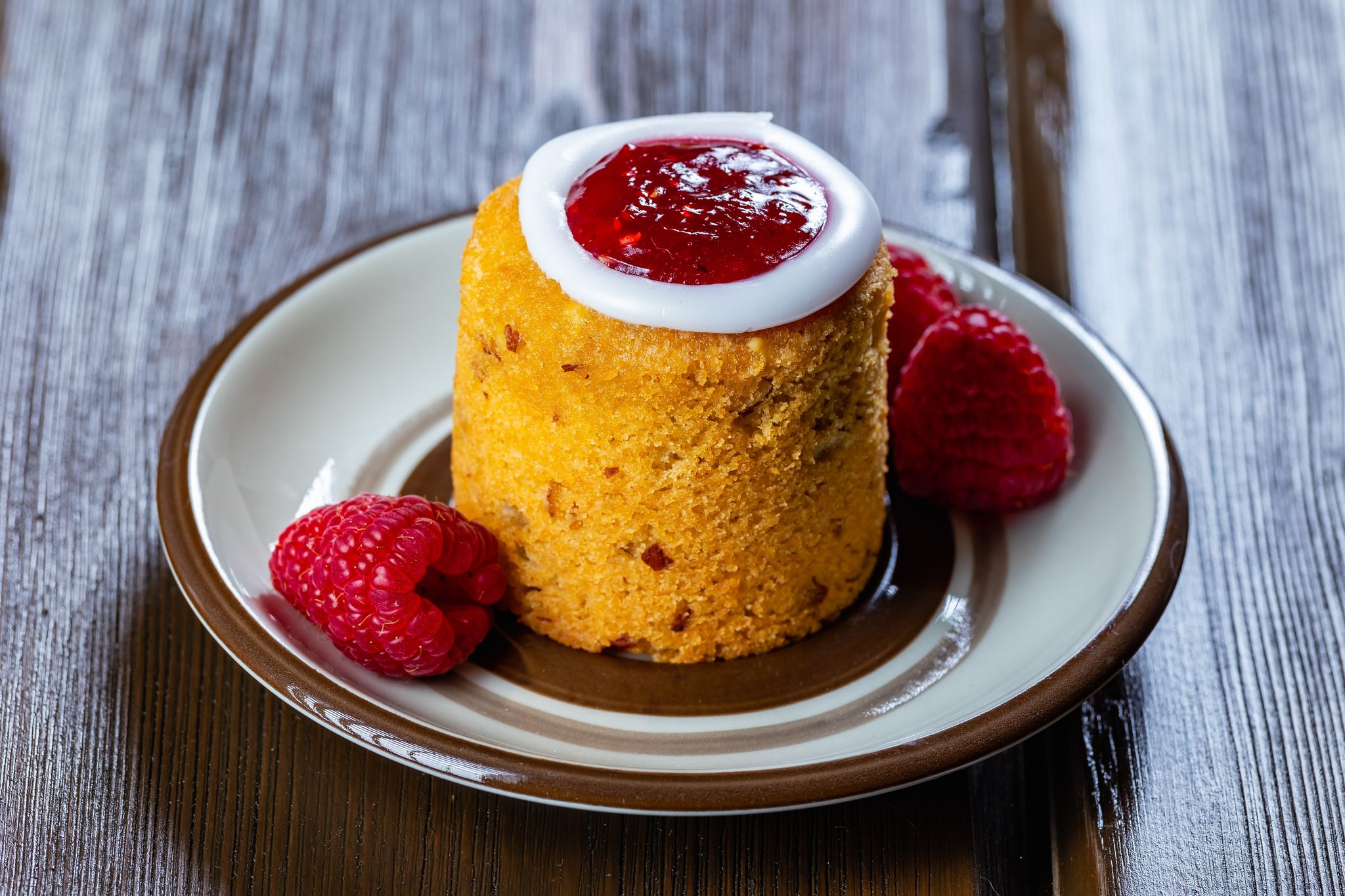
Runeberg’s Day, held every February 5, honors Johan Ludvig Runeberg, Finland’s national poet, whose work played a major role in shaping Finnish national identity. The day is best known for the Runeberg torte, a traditional almond-flavored pastry sold nationwide in early February.
You can find Runeberg tortes in bakeries, cafes, and supermarkets across Finland, making this an easy tradition to enjoy wherever you are. Some museums and cultural institutions host small exhibitions or literary events, particularly in Helsinki and Porvoo.
What To Pack for Finland in February

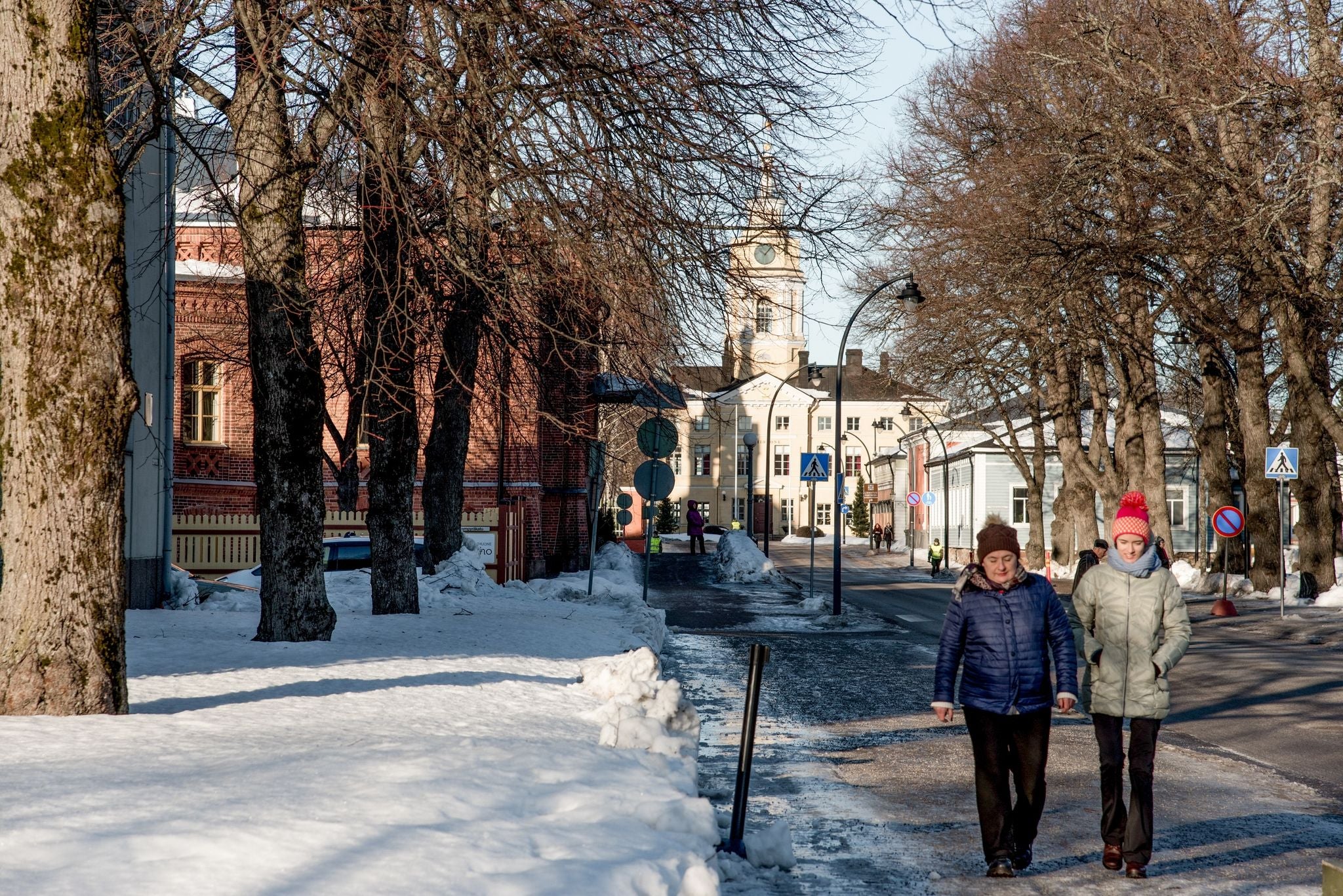
Packing for Finland in February is all about staying warm, comfortable, and prepared for winter conditions. With cold temperatures, snow, and changing daylight, the right clothing and gear make it easy to enjoy outdoor activities while staying comfortable indoors and out.
Clothing Essentials
Layering is key:
- Thermal base layers
- Insulated jacket and trousers
- Waterproof winter boots
- Wool socks, gloves, scarf, and hat
Travel Gear Tips
- Extra camera batteries (cold drains them fast)
- Moisturizer and lip balm for dry air
- Power adapter (Finland uses EU plugs)
Travel Tips for Finland in February

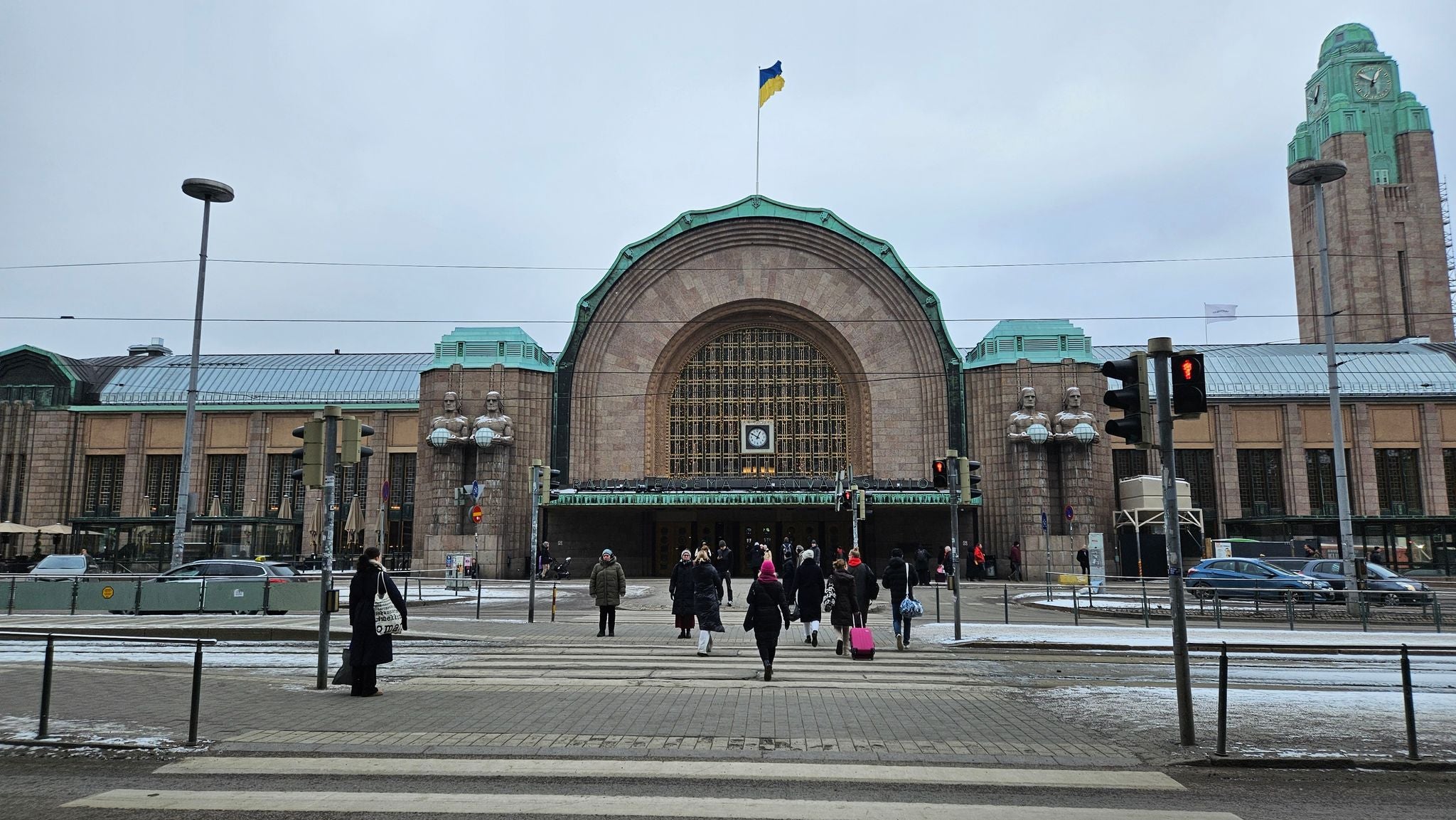
Traveling in Finland in February is straightforward thanks to well-prepared infrastructure and reliable winter services. A few practical tips around transport, budgeting, and cold-weather planning can help you move comfortably, stay flexible, and make the most of winter conditions throughout your trip.
Getting Around Finland in February
- Trains and buses remain reliable in February, even during snowy conditions, with winter timetables designed for consistency.
- Domestic flights are a practical option for reaching Lapland quickly from southern cities.
- Booking transfers and transportation in Finland in advance helps ensure smooth connections, especially when traveling between regions.
Budget Considerations When Visiting Finland in February
- Finland in February is slightly cheaper than in December.
- Winter tours can be premium-priced but high-quality.
Safety Tips
- Dress properly for cold weather.
- Follow local advice for outdoor activities.
- Guided tours are recommended for Arctic excursions.
Final Thoughts: Should You Visit Finland in February?


If your ideal trip includes snow-covered forests, glowing northern lights, winter activities, and the warmth of traditional saunas, Finland in February offers an experience that is both immersive and rewarding. This is the heart of winter, when landscapes are shaped by snow and light, and seasonal traditions are part of everyday life.
February in Finland strikes a rare balance between peak winter conditions and a calmer travel atmosphere. Snow is reliable, winter activities are fully available, and destinations feel less crowded than during the holiday season, allowing for a more relaxed and authentic journey.
If you're seeking true winter scenery, cultural depth, and outdoor adventure without the rush of peak tourism, February stands out as one of the best times to visit Finland. Whether you choose the Arctic landscapes of Lapland or a quieter winter city break, winter delivers a distinctly Finnish experience that is difficult to replicate at any other time of year.
Finland in February FAQs
Is Finland too cold in February?
Finland is cold in February, but the conditions are very manageable with proper winter clothing. The dry Arctic air, heated buildings, and winter-ready infrastructure make it comfortable to move between outdoor activities and indoor spaces, even in northern regions like Lapland.
Can you see the northern lights in Finland in February?
Yes, February is one of the best months to see the northern lights in Finland. Long nights, stable winter weather, and minimal light pollution, especially in Lapland, create excellent conditions, with sightings most likely on clear evenings between late night and early morning.
Is February a good time to visit Finland with family?
Finland in February is a good time for families who enjoy winter activities and structured travel. The country is safe, well-organized, and offers family-friendly experiences such as skiing, husky safaris, city museums, and well-designed family tours in Finland, though planning around daylight hours and cold temperatures is important.
How many daylight hours are there in Finland in February?
Daylight varies by region in Finland in February. Southern Finland experiences around 8 to 9 hours of daylight by late February, while Lapland has fewer daylight hours early in the month, increasing steadily as spring approaches.
Is Finland crowded in February?
Finland in February is generally quieter than December and March, especially outside school holiday periods. Popular destinations like Lapland remain active, but overall visitor numbers are lower, allowing for a more relaxed and immersive winter experience.
Are tours and attractions open in Finland in February?
Most winter tours, ski resorts, museums, and city attractions operate normally in February in Finland. Some outdoor attractions, ferries, and nature-based activities may run on reduced schedules depending on the weather, so checking availability in advance is recommended.